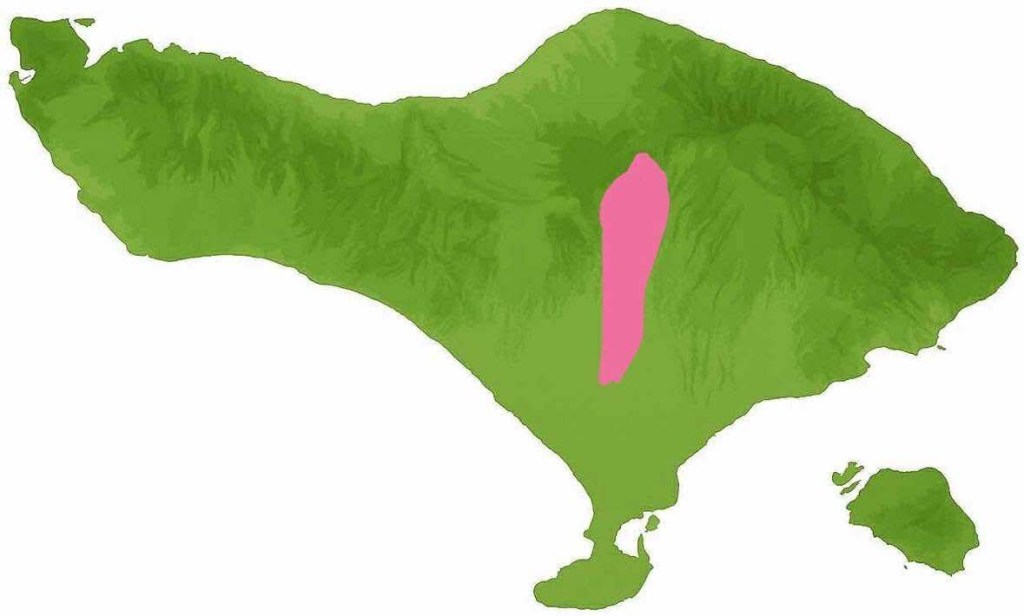
Central West Bali is a region defined by its striking and diverse geography, where lush volcanic highlands give way to terraced rice fields, winding rivers, and serene lakes. The landscape here is a living canvas of Bali’s traditional irrigation system, subak, with the iconic Jatiluwih rice terraces spreading across the hillsides, fed by rivers that flow from the mountains to the sea. Scattered throughout this terrain are temples that harmonize with their surroundings—floating on lakes, perched above terraced fields, or nestled in misty forests—each reflecting the intimate connection between Balinese culture and the land.
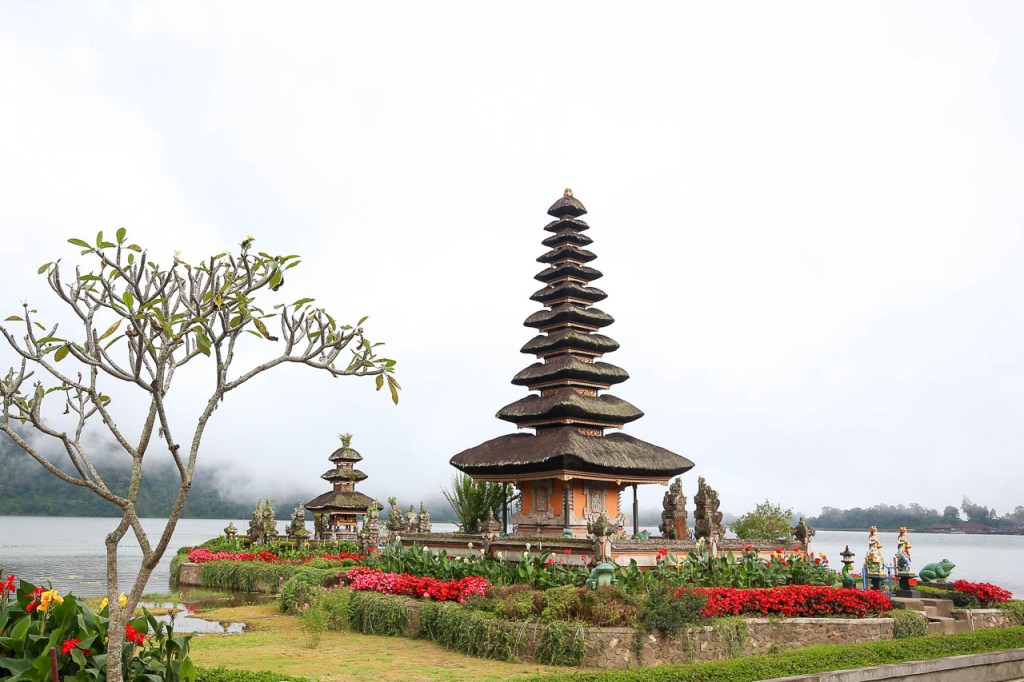
Pura Ulun Danu Bratan
— The Temple on the Lake —
Built in 1633, this temple is a love letter to water—to Dewi Danu, the goddess of all lakes and the sea who makes sure your rice fields don’t dry up. It’s at 1,200 meters above sea level, where mist rolls in, and the air is cooler, cleaner, almost magical. Think reflection on reflection: the temple mirrored in the lake, your life mirrored in the stillness. Over four centuries of prayers, ceremonies, and the quiet promise of enough – enough water, enough food, enough breath. More…

Pura Luhur Pucak Petali
— Above the Jatiluwih Rice Terraces —
Built around 1272 AD by Bhagawan Rsi Canggu and Arya Wangbang, this temple isn’t just a structure—it’s a beacon of ancient wisdom. Legends speak of its mystical origins, where construction followed sacred instructions, ensuring the temple’s height never surpassed a mysterious tree on the site. Covering about 10 hectares, the complex features shrines like Gedong Tamblingan and Meru Tumpang Lima, each echoing tales of devotion. More…
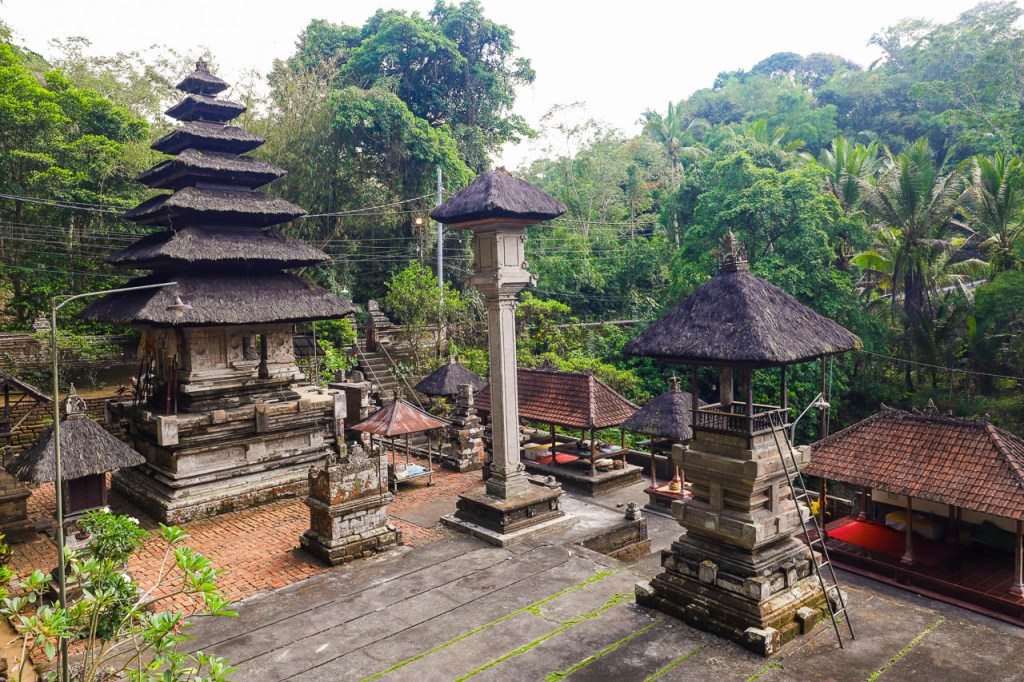
Pura Yeh Gangga
— Rooted in Stone, Carried by the River —
Nestled in the valley of the Yeh Gangga River in Perean, Tabanan, Pura Yeh Gangga has been quietly holding space for healing, harvest, and hope since the 14th century. Known for its rare stone meru and the blending of Shiva-Buddha traditions, it’s a place where spiritual depth meets everyday life. Its architecture bridges eras, marking the shift from stone structures to the layered elegance of thatched roofs, echoing Majapahit influence. More…
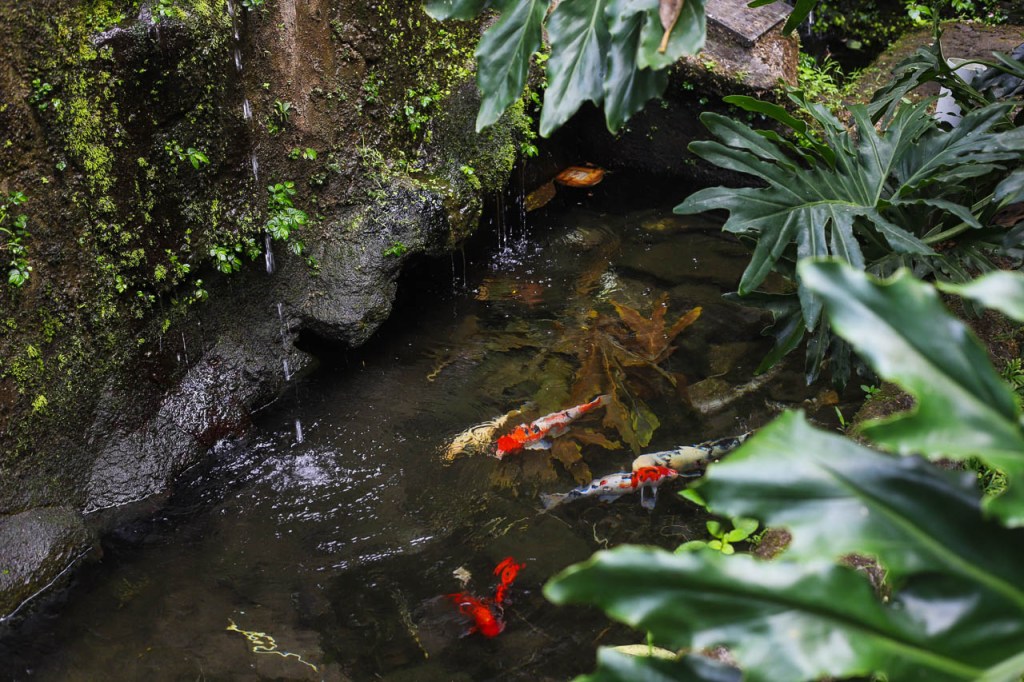
Taman Beji Samuan
— A Royal Temple in a Lake —
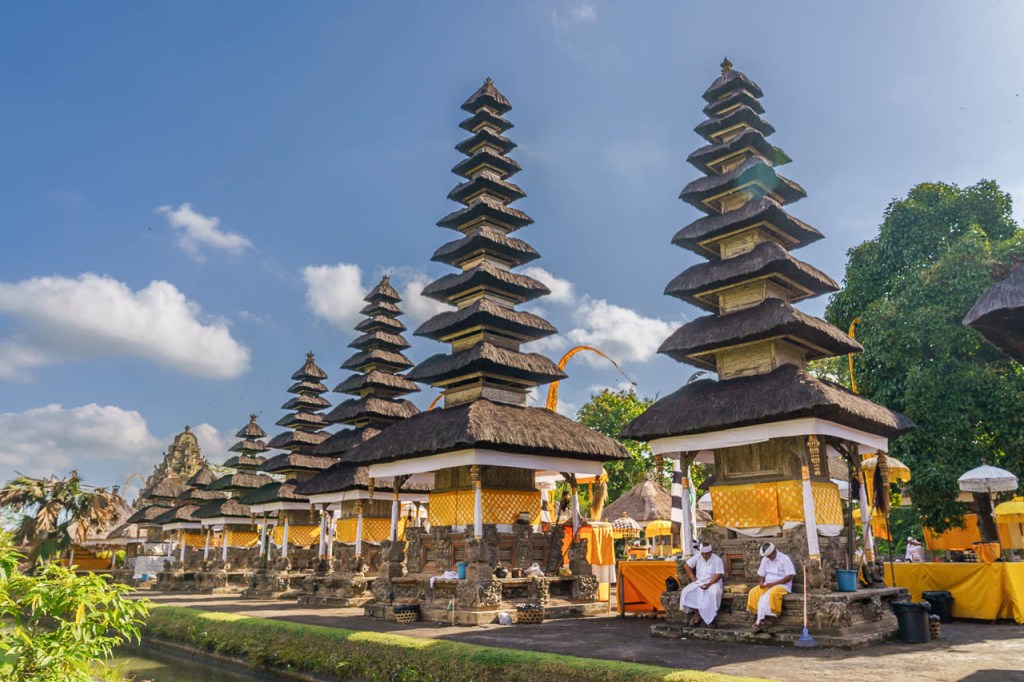
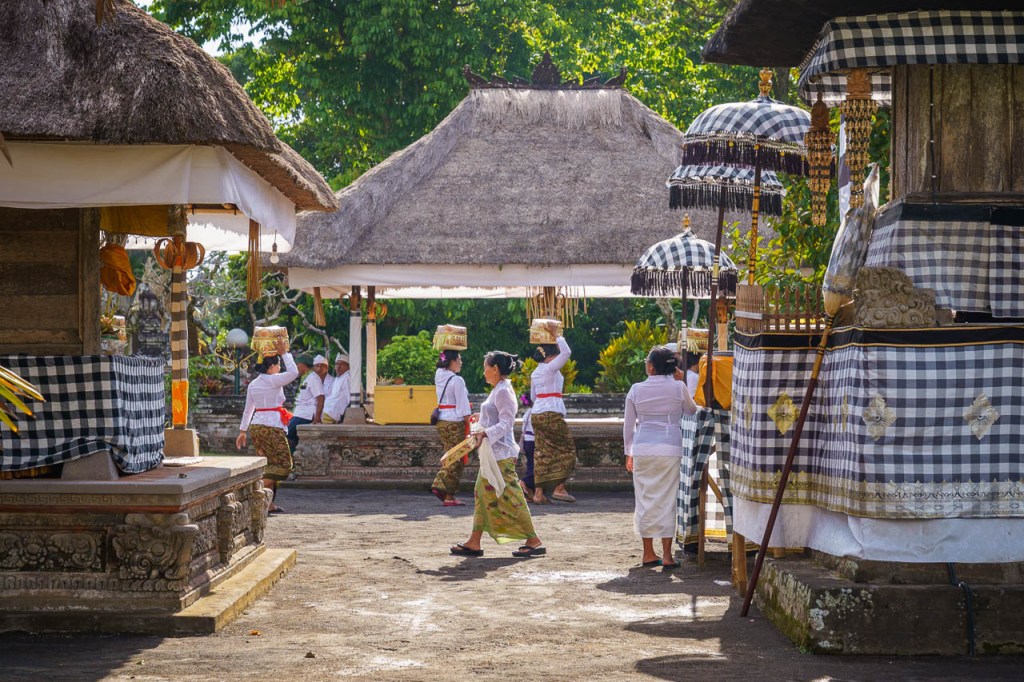
Pura Taman Ayun was built in 1634 in Mengwi, Tabanan, Bali. it’s a place where water flows, gods are honored, and people pause to breathe in harmony. It’s a UNESCO World Heritage Site: 10 hectares of carefully designed gardens, lotus ponds, and shrines – yes, a temple wrapped in a park, surrounded by a lake – invite you to slow down and reconnect. More…
Pura Pucak Bukit Sari
— The Temple on the Lake —
Built in 1633, this temple is a love letter to water—to Dewi Danu, the goddess of all lakes and the sea who makes sure your rice fields don’t dry up. It’s at 1,200 meters above sea level, where mist rolls in, and the air is cooler, cleaner, almost magical. Think reflection on reflection: the temple mirrored in the lake, your life mirrored in the stillness. Over four centuries of prayers, ceremonies, and the quiet promise of enough – enough water, enough food, enough breath. More…
Pancoran Solas
— Above the Jatiluwih Rice Terraces —
Built around 1272 AD by Bhagawan Rsi Canggu and Arya Wangbang, this temple isn’t just a structure—it’s a beacon of ancient wisdom. Legends speak of its mystical origins, where construction followed sacred instructions, ensuring the temple’s height never surpassed a mysterious tree on the site. Covering about 10 hectares, the complex features shrines like Gedong Tamblingan and Meru Tumpang Lima, each echoing tales of devotion. More…
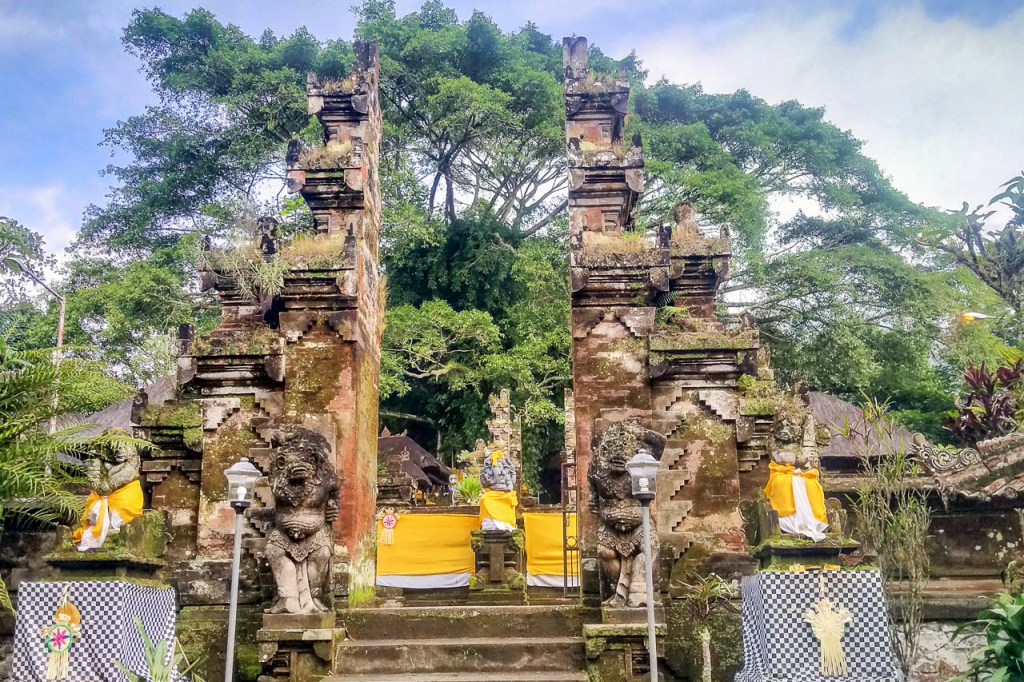
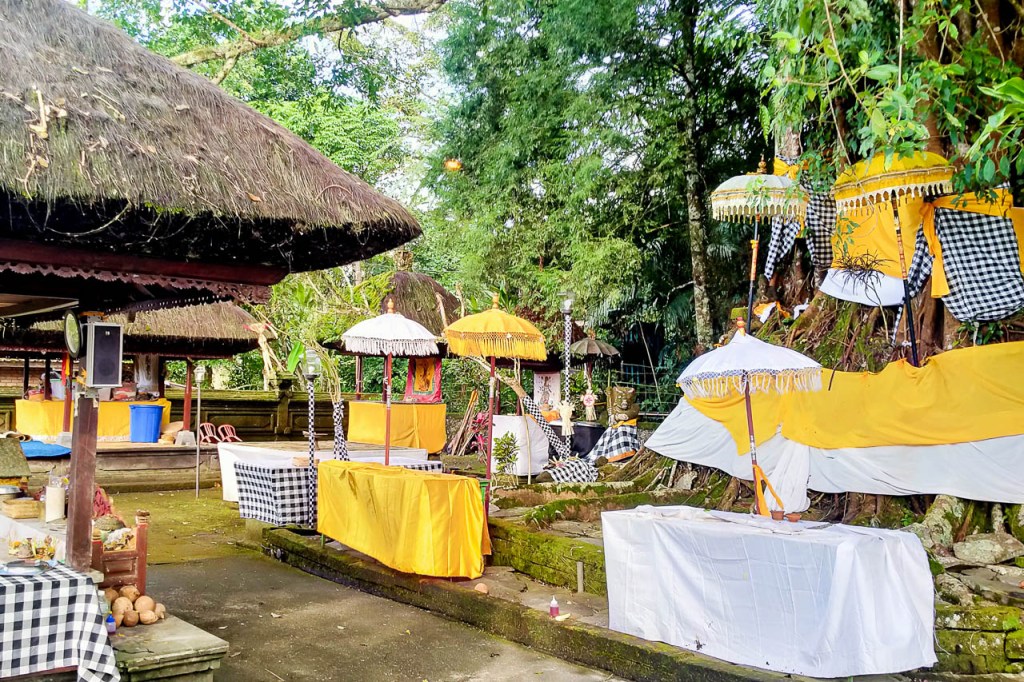
Pura Luhur Batukaru
— Misty Guardian of the Mountain Forest —
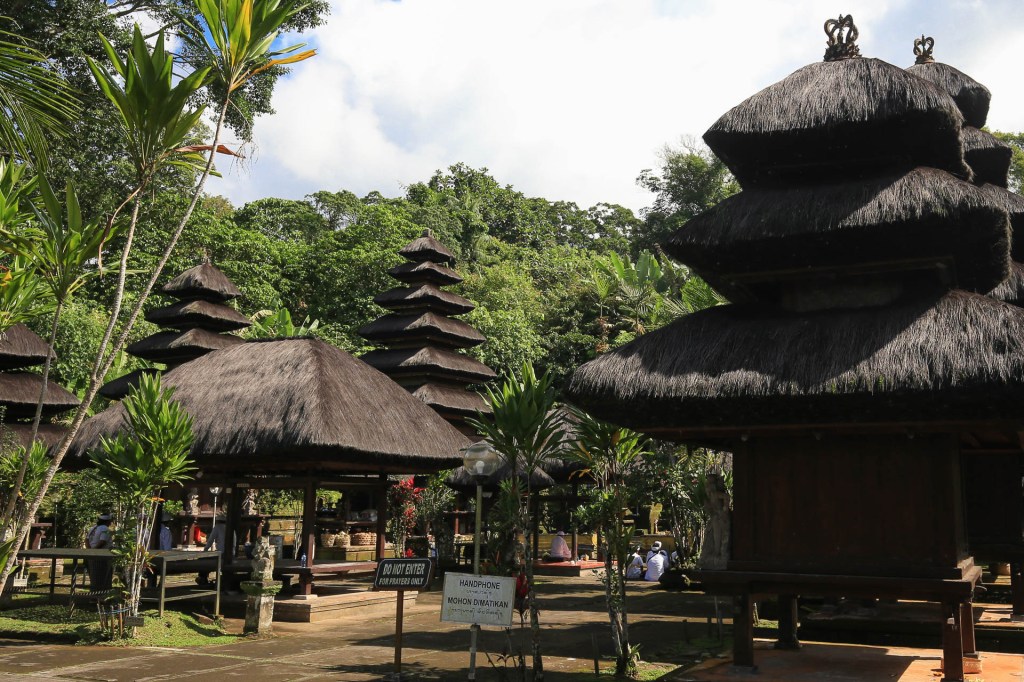
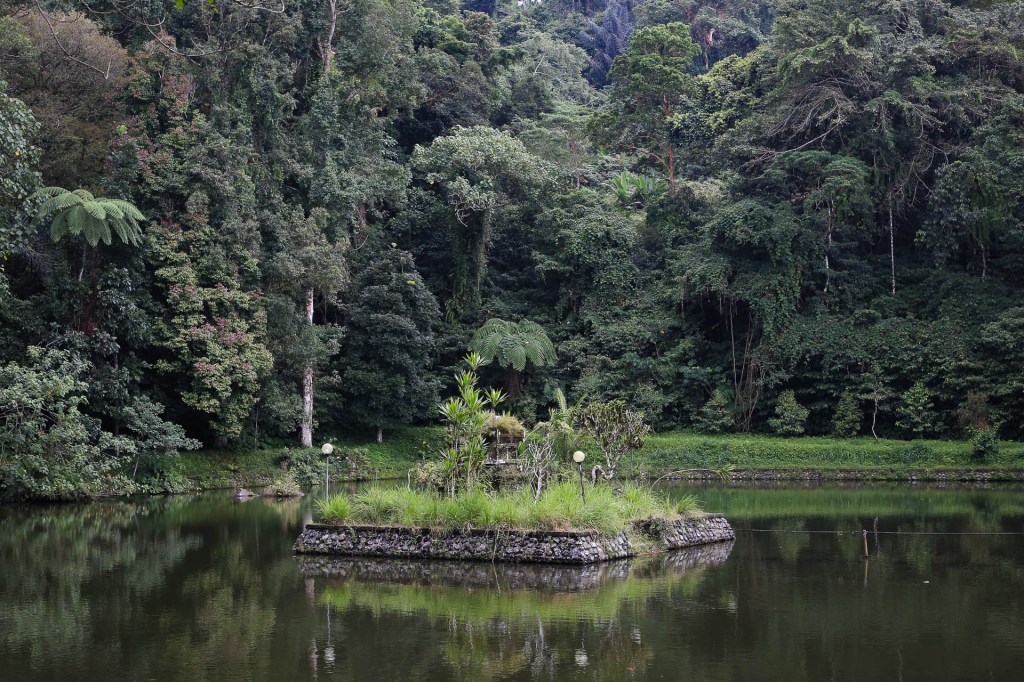
On the slopes of Bali’s second-highest volcano, Mount Batukaru, this mountain temple it’s one of the island’s six holiest sanctuaries and one of the nine directional temples, guarding the west. Legends say it was founded by the revered sage Mpu Kuturan, who built it after a divine vision. It’s a place where history, myth, and nature meet, wrapped in mist and rainforest. More…
Pura Taman Ayun
— A Royal Temple in a Lake —
Pura Taman Ayun was built in 1634 in Mengwi, Tabanan, Bali. it’s a place where water flows, gods are honored, and people pause to breathe in harmony. It’s a UNESCO World Heritage Site: 10 hectares of carefully designed gardens, lotus ponds, and shrines – yes, a temple wrapped in a park, surrounded by a lake – invite you to slow down and reconnect. More…
Pura Sada Kapal
— From Java to Bali: Sacred Continuity in Eleven Tiers —
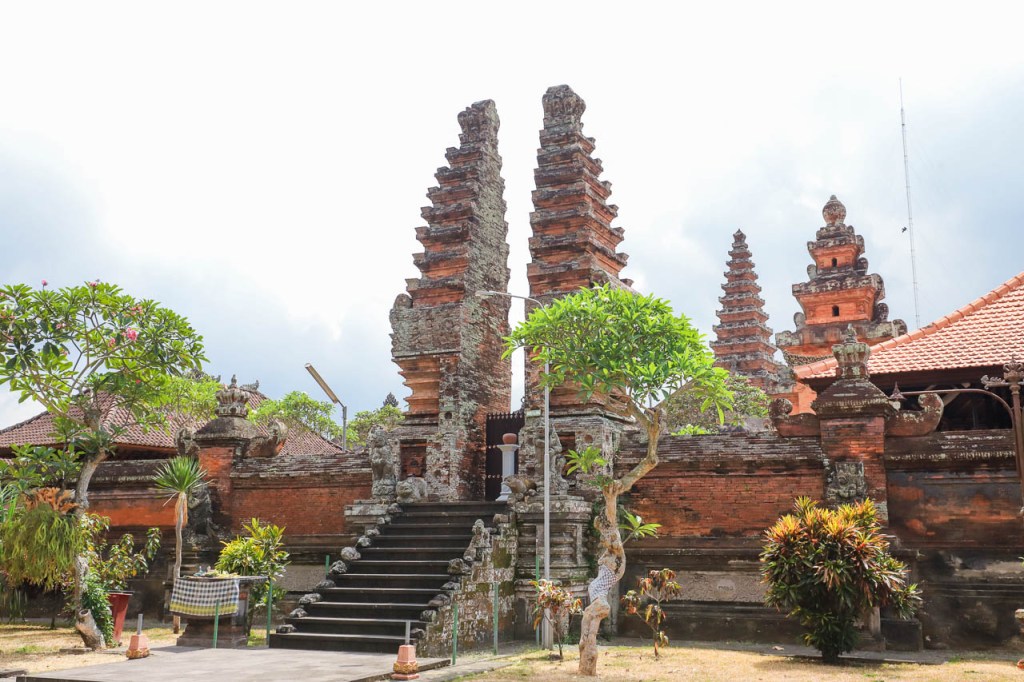
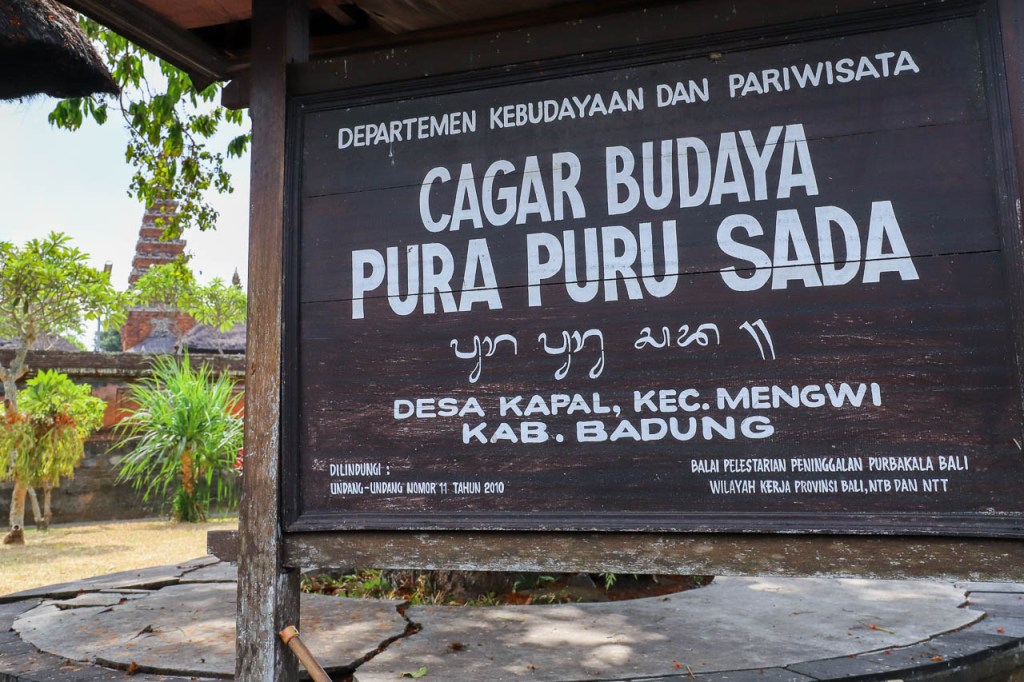
Pura Sada Kapal is a uniquely Javanese-influenced temple in Bali, famed for its towering eleven-tiered Prasada and enigmatic history. Its statues, carved in 13th-century East Java, predate the temple itself, suggesting a deliberate transfer of sacred power by King Jaya Sakti. The temple’s architecture, blending Majapahit and Balinese styles, features a Candi Bentar gateway and memorials to fallen warriors, symbolizing both spiritual and communal guardianship. Devastated in the 1917 earthquake, it was meticulously restored in 1949–1950. More…
Continue with exploring the next region, EAST CENTRAL BALI.
Photos, maps and text © 2025 Alida Szabo
