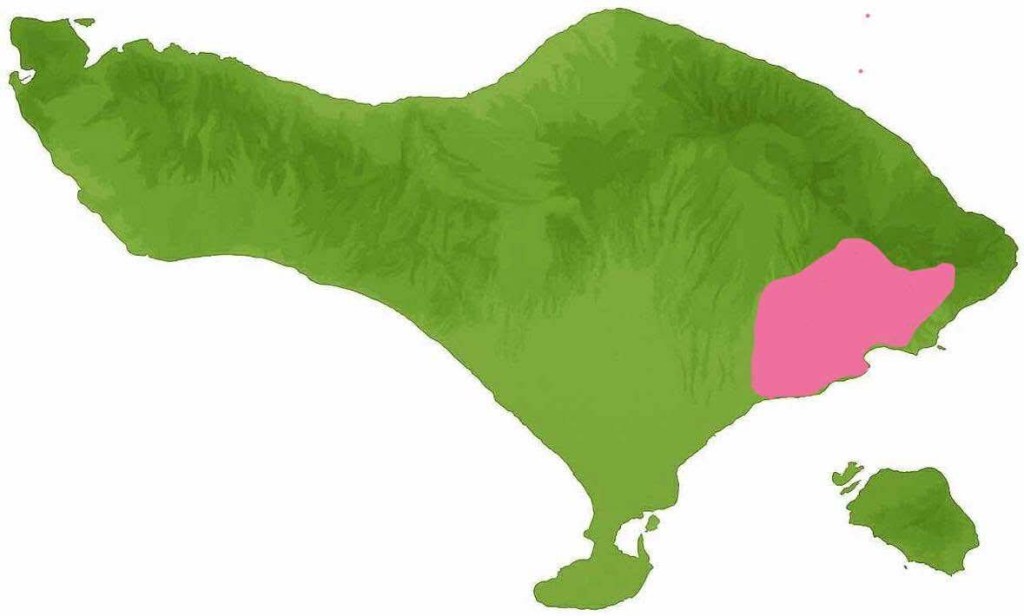
East Bali is a region of striking contrasts—towering volcanoes, terraced fields, and quiet coastal plains—all with spiritual significance for the Balinese. The temples of East Bali are closely tied to ancestral worship, purification rites, and the mountain cults that have long anchored the island’s highland traditions. From secluded hillside sanctuaries to grand temple complexes once linked to powerful kingdoms, these sacred sites not only offer beauty—they also reveal a Bali that is raw, devotional, and enduringly rooted in the rhythms of nature and spirit.
Pura Kehen
— Royal Steps into Bali’s Sacred Past —
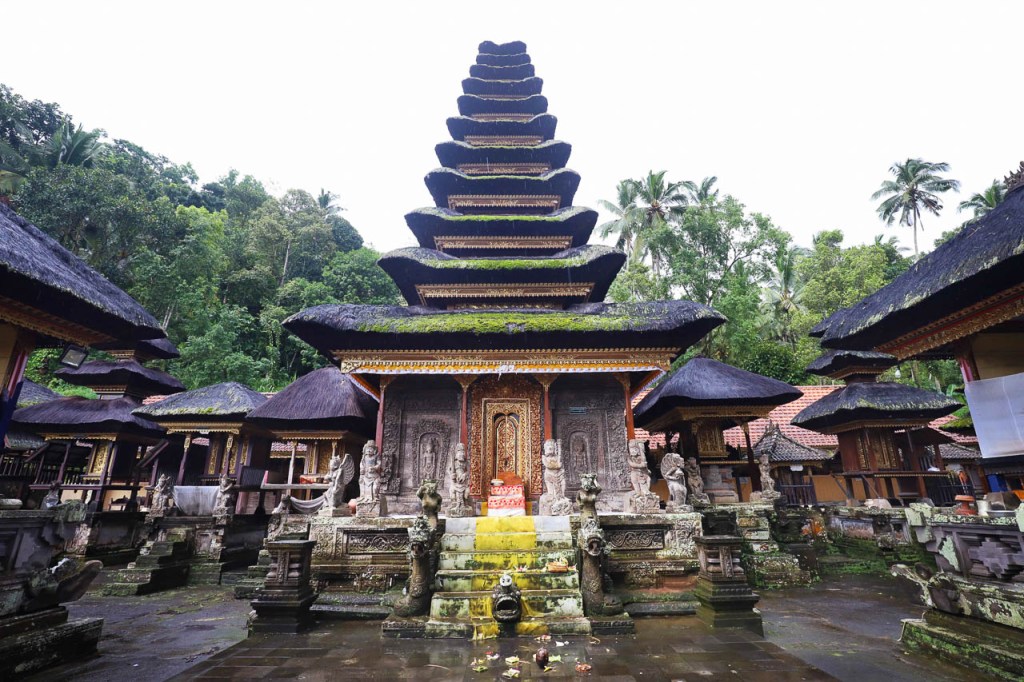
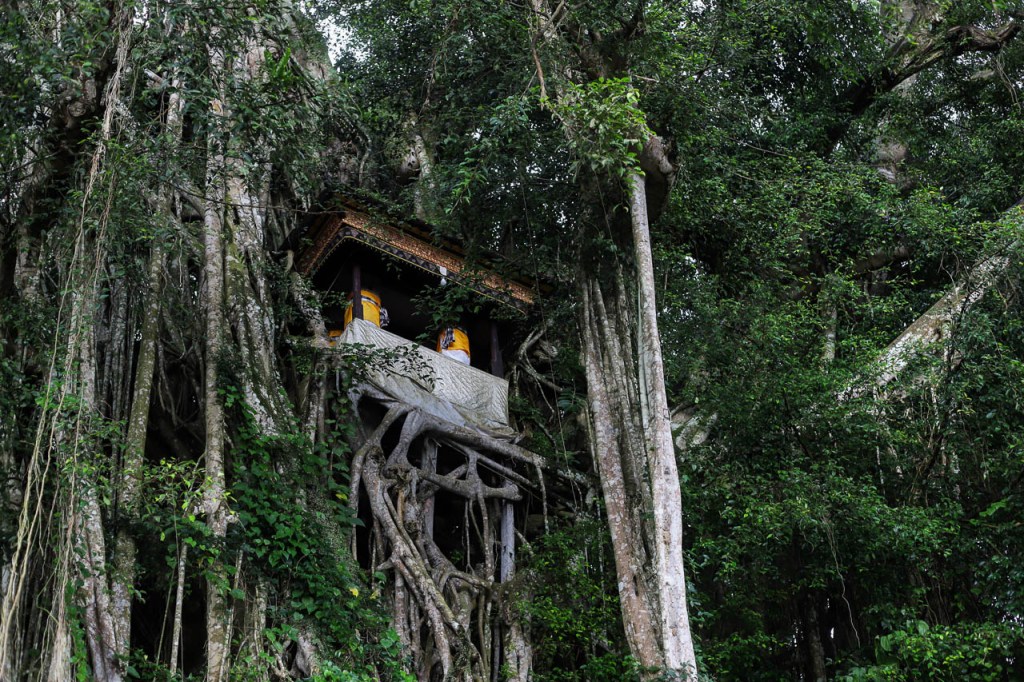
Erected on Bangli Hill, this 11th-century sanctuary was the royal temple of the Bangli Kingdom. Ascend the 38 stone steps, flanked by Ramayana characters, to encounter a 400-year-old banyan tree, its branches believed to foretell fate and hide a shrine. Within the temple an 11-tiered meru honors the divine trinity: Brahma, Vishnu, and Shiva. Chinese porcelain plates adorn the inner sanctum, a testament to Bali’s historical connections. More…
Pura Tirta Sudamala
— Ritual Bathing Place —
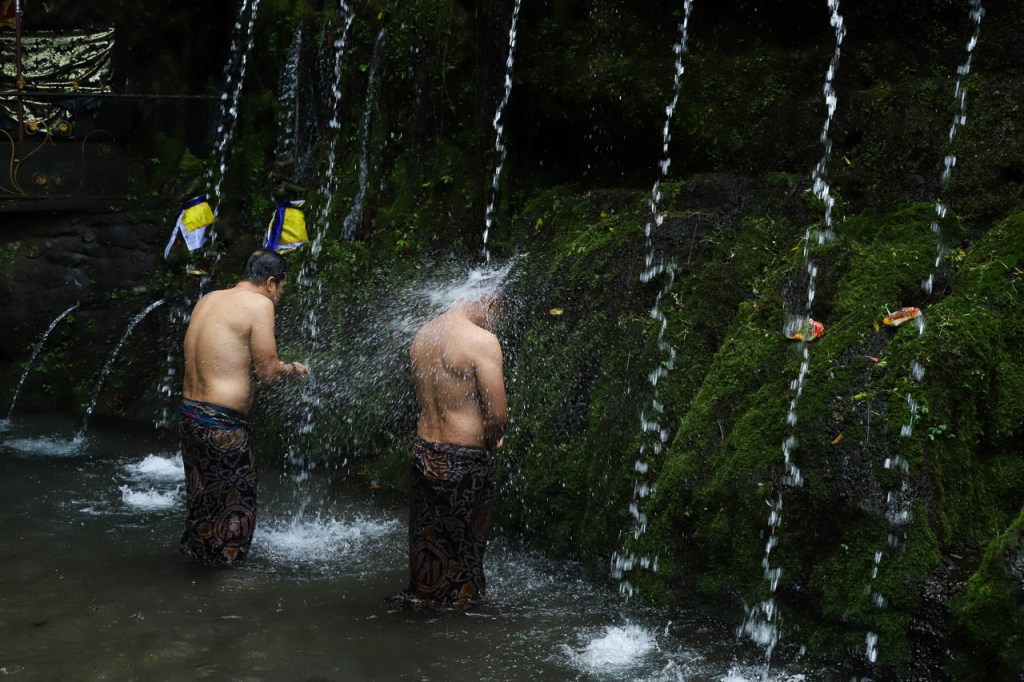
What if a place could help you let go of what no longer serves you—not just with a splash, but through centuries of tradition? Pura Tirta Sudamala, nestled in Bangli’s green heart, is rooted in a royal legend: a quest for sacred waters to heal and transform. Its eleven showers, many symbolizing the nine directional deities, offer more than ritual cleansing—they invite you into a practice of renewal that’s woven into Balinese life. More…
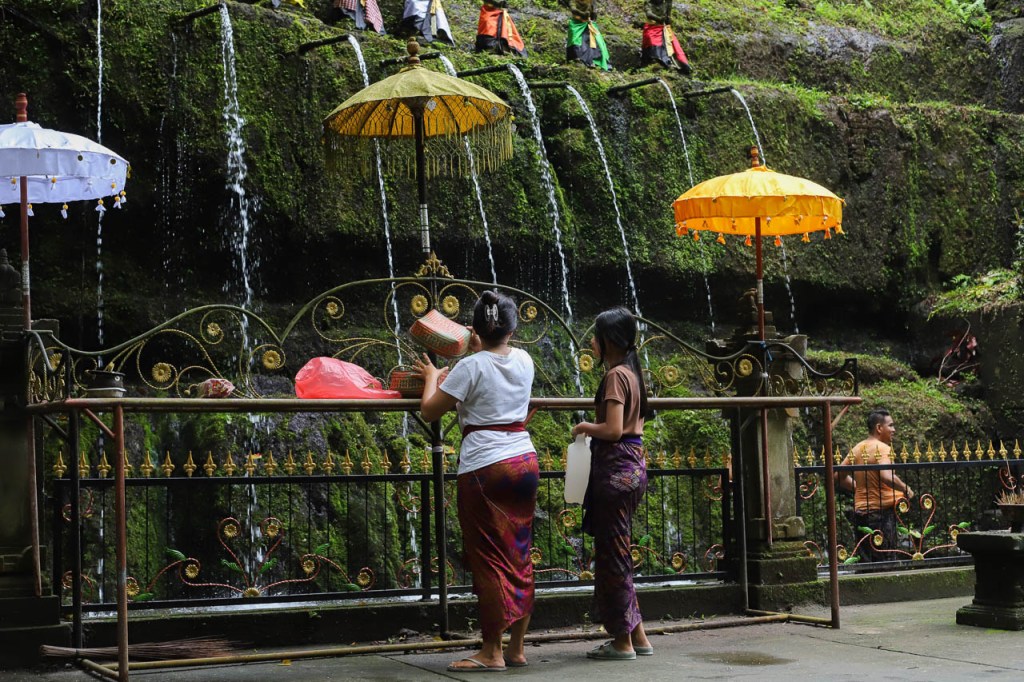
Candi Tebing Tinggi Tambahan
— Off the Beaten Track, Small, and Beautiful-—
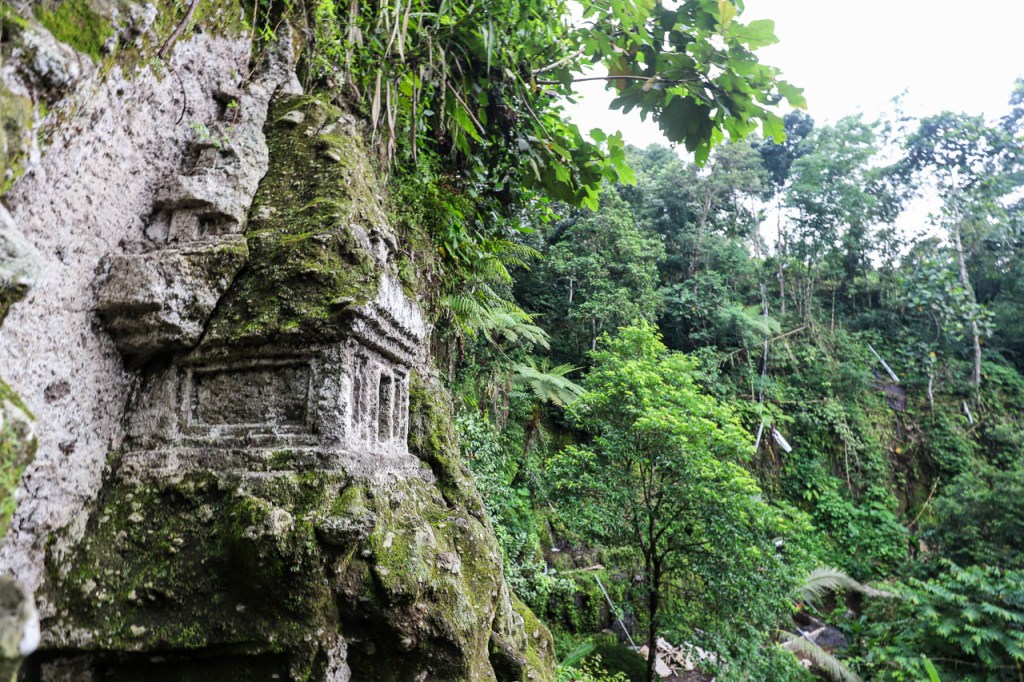
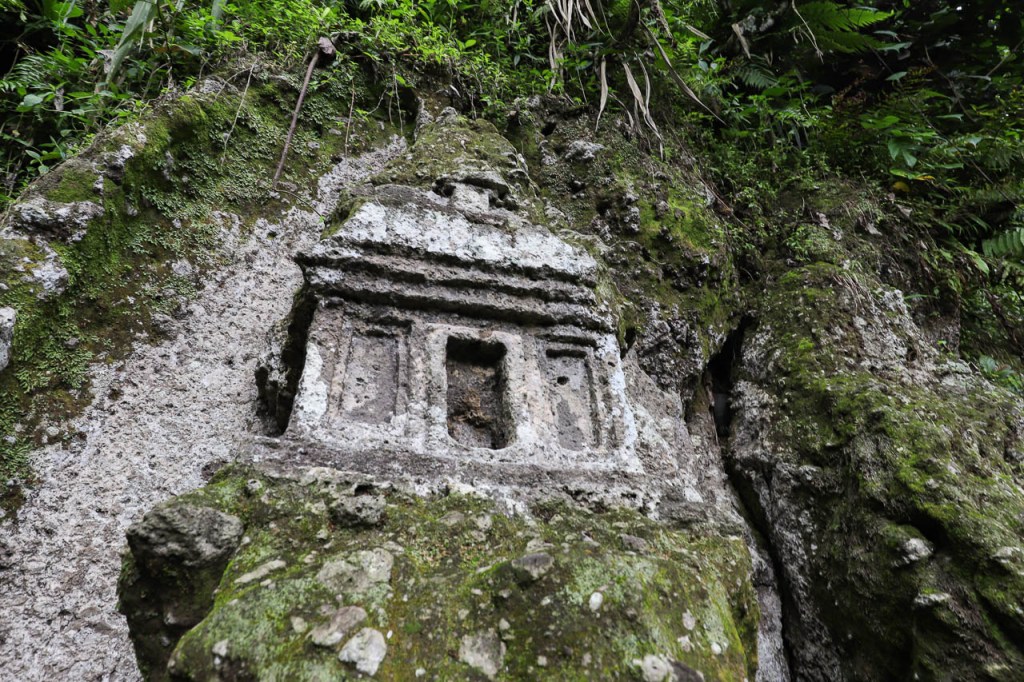
Candi Tebing Tambahan is a 10th–11th century Hindu cliff temple carved into stone in Tambahan, Bangli, Bali. The temple represents the universe’s three realms and was used for meditation and rituals, as shown by nearby ascetic caves and a nine-compartment stone chest. Its architecture echoes Indian and Javanese influences, marking the era’s rock-cut temple tradition. More…
Pura Taman Pecampuhan Sala
— Ritual Bath in Waterfalls and Two Rivers —
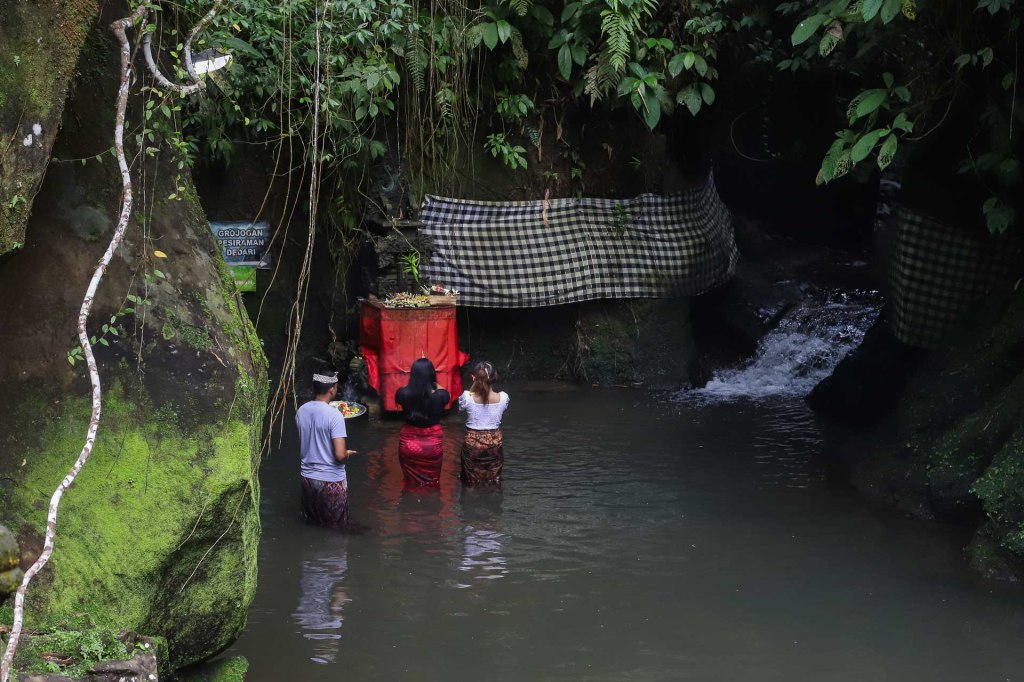
Here, the journey through the canyon leads past moss-covered statues and ancient shrines, with the sound of rushing water and rustling leaves setting the stage for a deeply personal ritual experience. The temple is renowned for its nine sacred springs, each with its own name and spiritual significance, offering purification for body, mind, and soul. More…
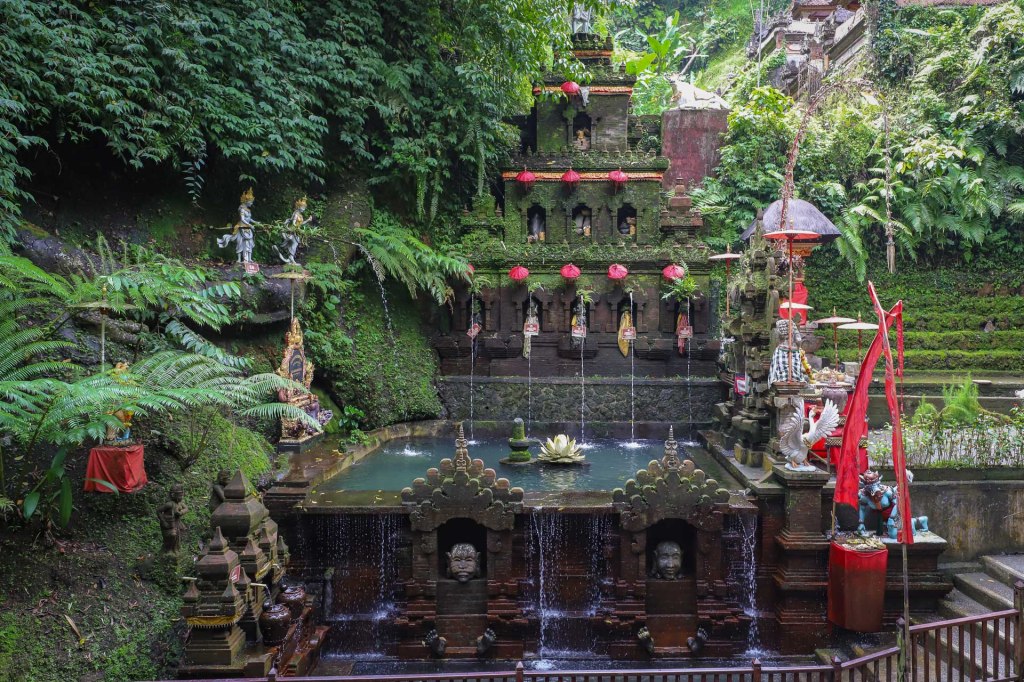
Pura Besakih
— The Mother Temple of Bali on Mount Agung —
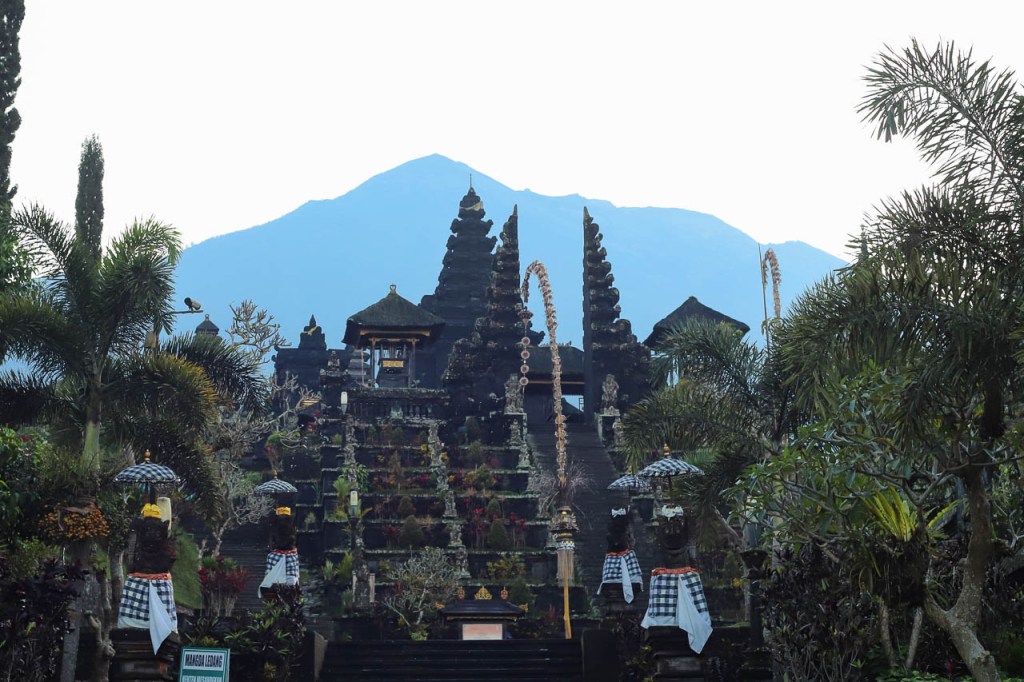
Pura Besakih isn’t just one temple, it’s a whole spiritual village, 22 temples strong, perched on the southern slopes of mighty Mount Agung—the island’s highest, most dramatic peak. The main temple here is Pura Penataran Agung, dedicated to Shiva, where ancient statues and sacred stones rub shoulders with majestic meru towers, rebuilt over and over as if to remind us that faith, like the mountain, is both solid and ever-changing. More…

Pura Goa Lawah
— A Seaside Cave Temple Where You Do Not Want to Enter —
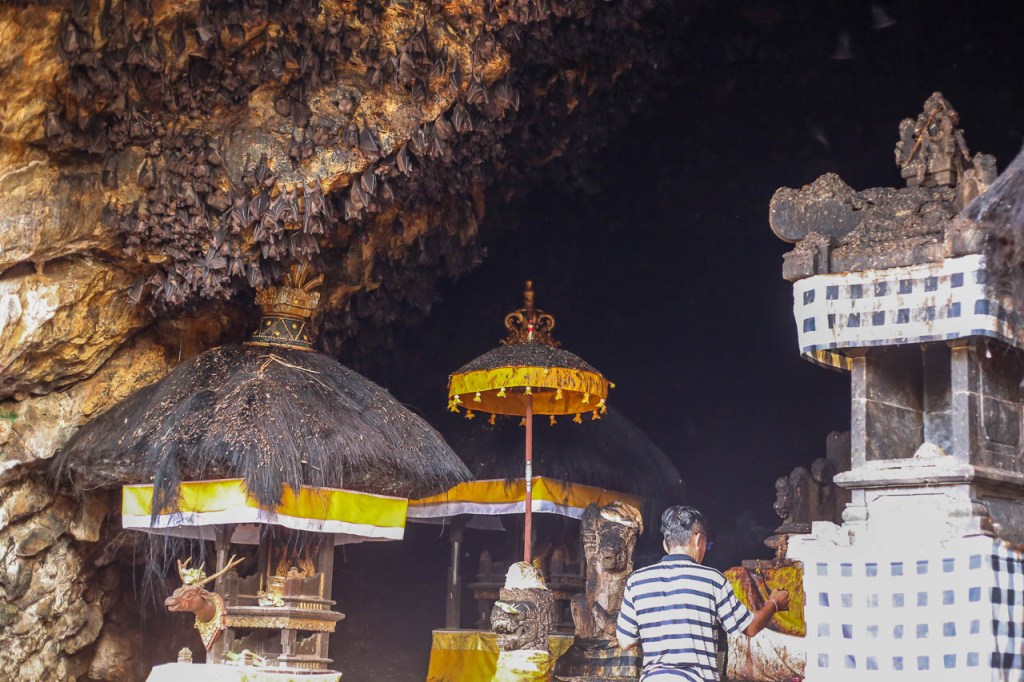
The “Bat Cave” temple in KlungkungGoa Lawah, is the temple that thousands of bats and a few sacred pythons call home. It’s been a spiritual hotspot since at least the 11th century, when legend says holy man Mpu Kuturan founded it. Goa Lawah is one of Bali’s nine directional temples, marking the meeting point between mountain and sea. Balinese come here for ancestor rites, and stories swirl about secret tunnels reaching into Pura Goa Giri Putri on Nusa Penida island. Its real magic is in the mystery—and the bats. Step closer and get to know more…
Pura Lempuyang Luhur
— The Famous Gate of Heaven and So Much More —
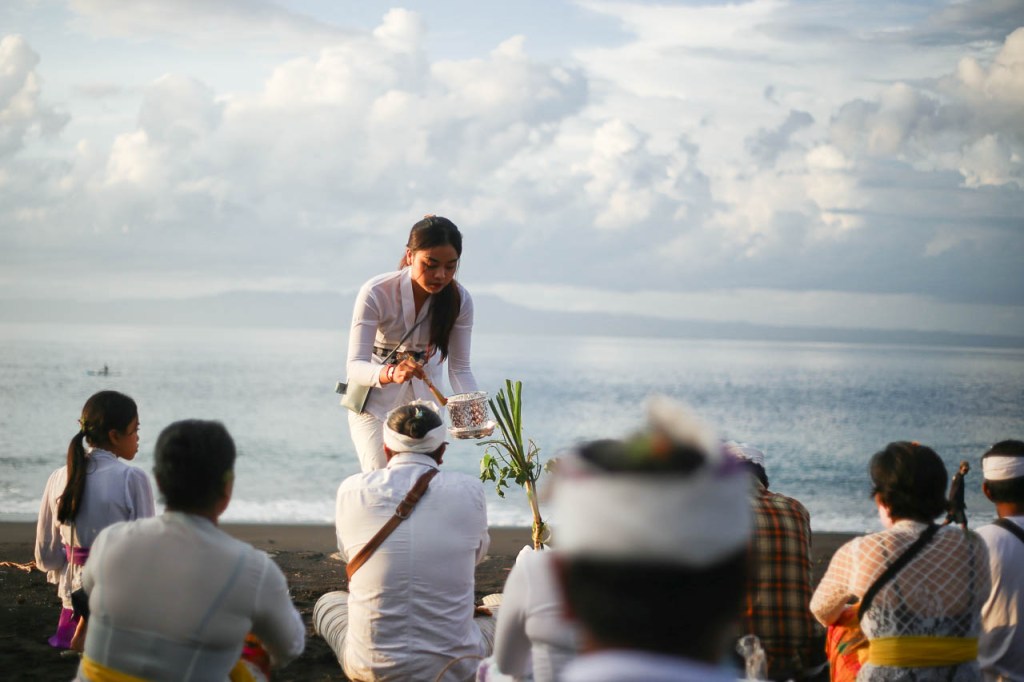
On the western slopes of Mount Lempuyang in East Bali you can find a spectacularly placed mountain temple, with an elevated view of Mt Agung. This sanctuary was established in the 11th century by the legendary priest Mpu Kuturan alongside King Udayana. The temple complex is spread across the mountain, with seven shrines and pavilions, each marking a step closer to the summit and spiritual enlightenment. More…


Penglipuran village
— Bali’s Model of Cleanliness, Harmony, and Living Tradition —
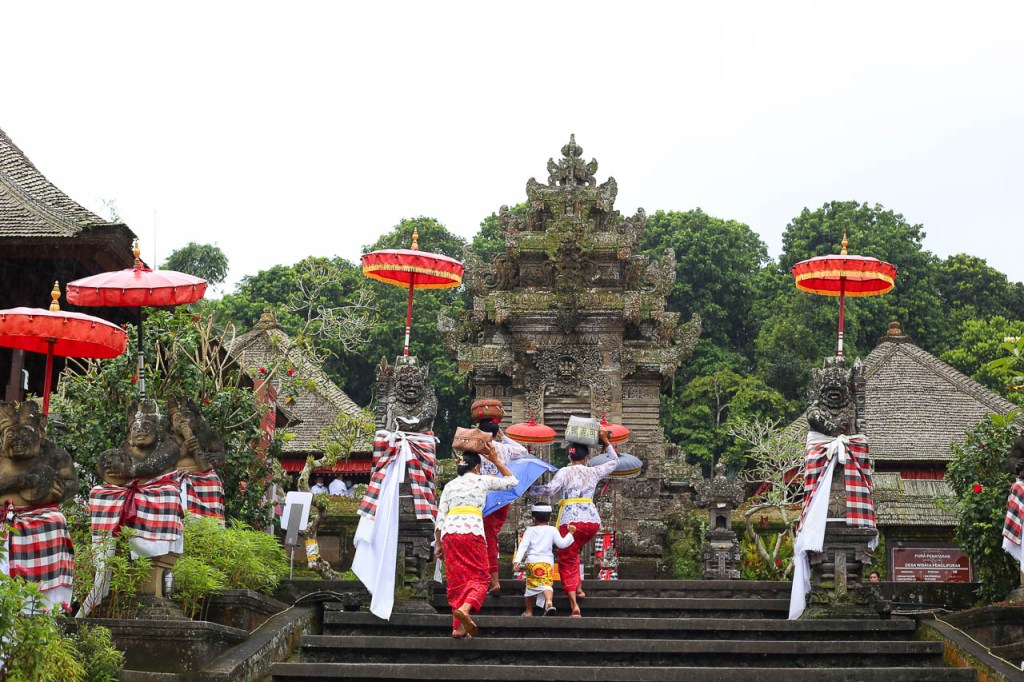
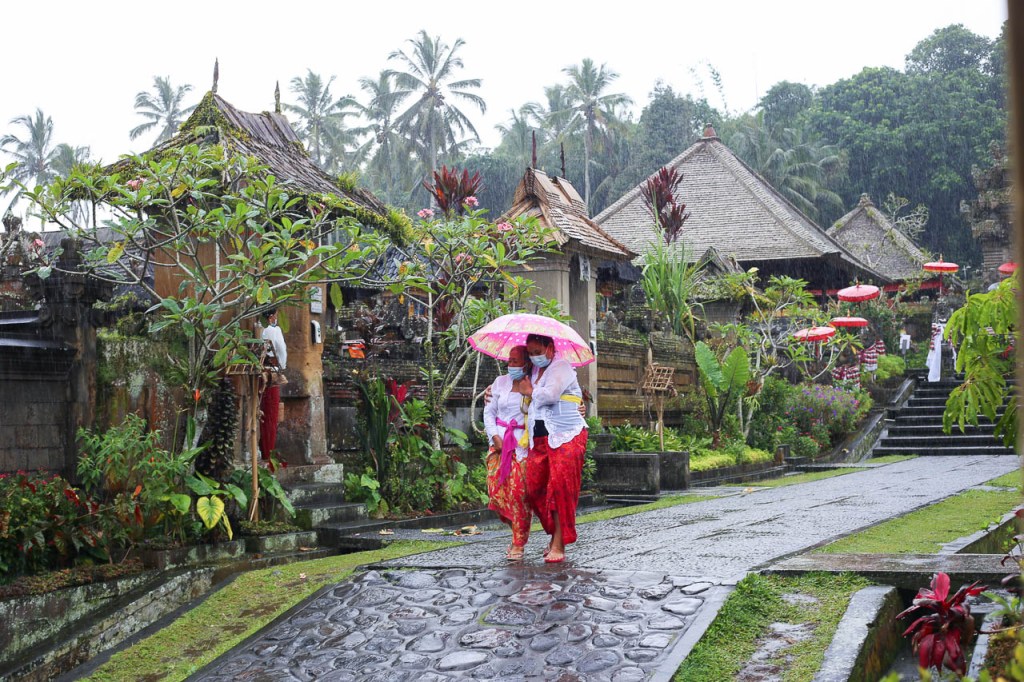
Penglipuran feels less like a village and more like a quiet promise—proof that tradition and sustainability can walk hand in hand. Set in the Bangli highlands, its car-free, stone-paved path winds through identical bamboo homes, each one a testament to ancestral order and respect. Guided by awig-awig (customary law), the community keeps its streets spotless, its bamboo forest thriving, and its spirit intact. Here, harmony isn’t just hoped for—it’s enforced, celebrated, and lived. More…
Tenganan Pegrinsingan village
— A Living Stronghold of Bali Aga Culture and Ancient Rituals —
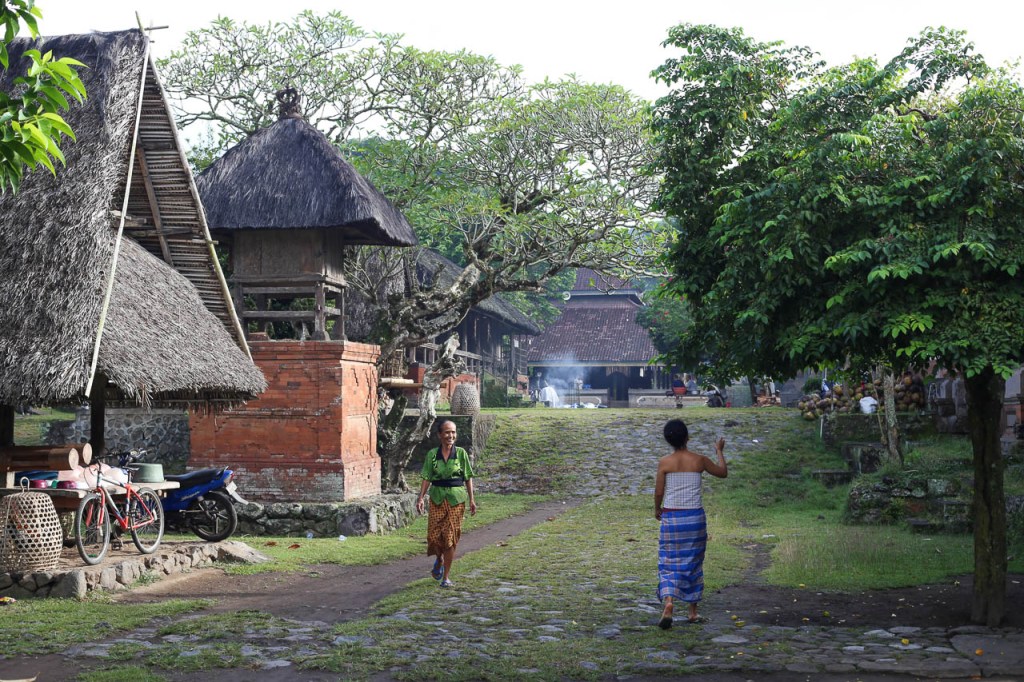
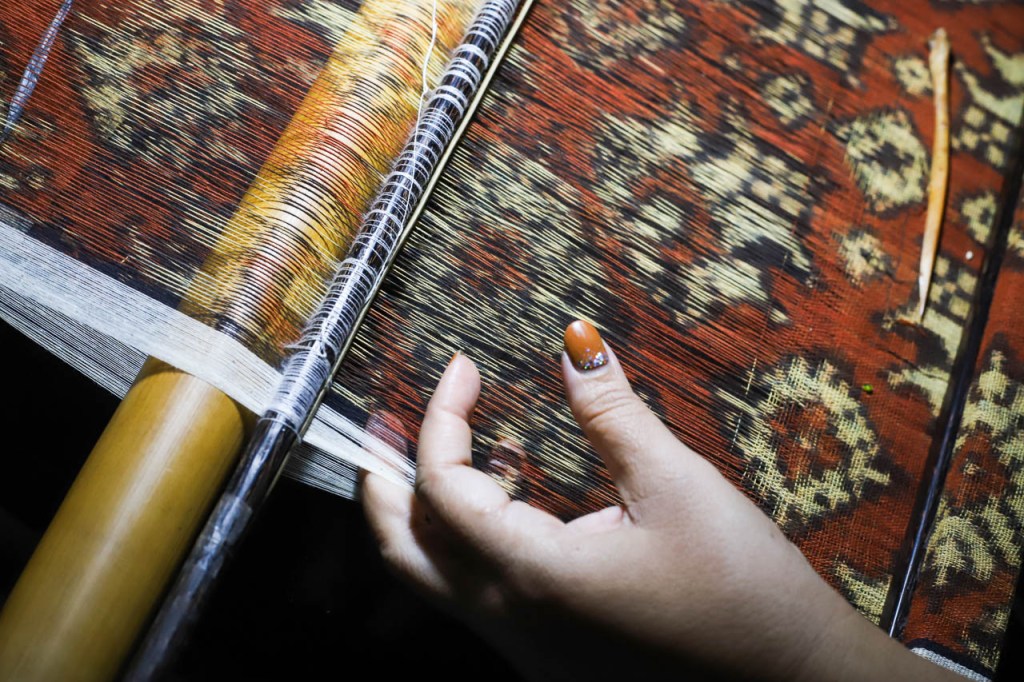
With its symmetrical layout, sacred Gringsing weavings, and stone-built homes, Tenganan preserves a way of life that predates much of Bali’s Hindu influence. Here, tradition isn’t nostalgia—it’s law, shaping everything from marriage to architecture. Rituals like the pandanus war aren’t performances; they’re acts of identity. Step inside, and you don’t just visit a place—you witness how culture survives by living, not just lasting. More…
Continue to the next region of our trip, SOUTH BALI.
Photos, maps and text © 2025 Alida Szabo
