— Where Water Breathes Beauty —
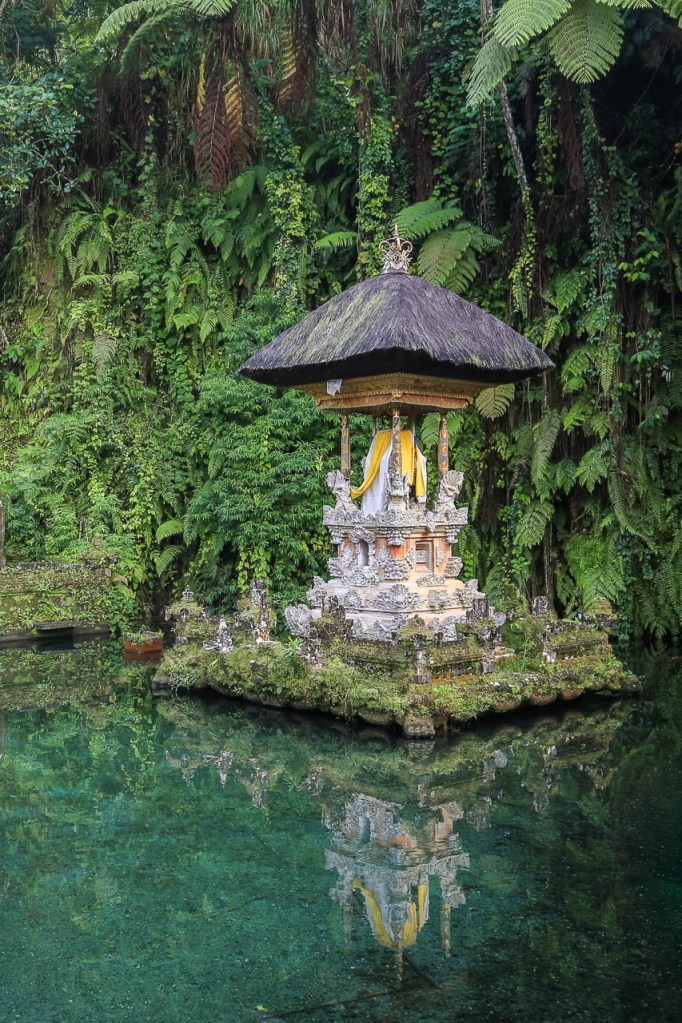
Also called: PURA TIRTA GUNUNG KAWI
Location: In a small valley northwest of Pura Tirta Empul, between Sebatu and Pujung villages.
Map: Sebatu, Tegallalang, Gianyar, Bali, Indonesia
Dates back to: 11ᵗʰ century.
Main buildings: Natural spring-fed ponds and bathing pools, padmasana and other shrines.
Region: Tampaksiring
Theme: Water Temples, Sacred Bathing Places
Requirements for visit: Entrance fee (2024): IDR 50,000 (approx. USD 1.80), with sarongs included. If the counter is closed, please use the donation box.
Accessibility: Around twenty steps lead down to the temple compound. Visitors who are not permitted to enter can still enjoy a full view of the temple from the parking area above.
Ponds and courtyards
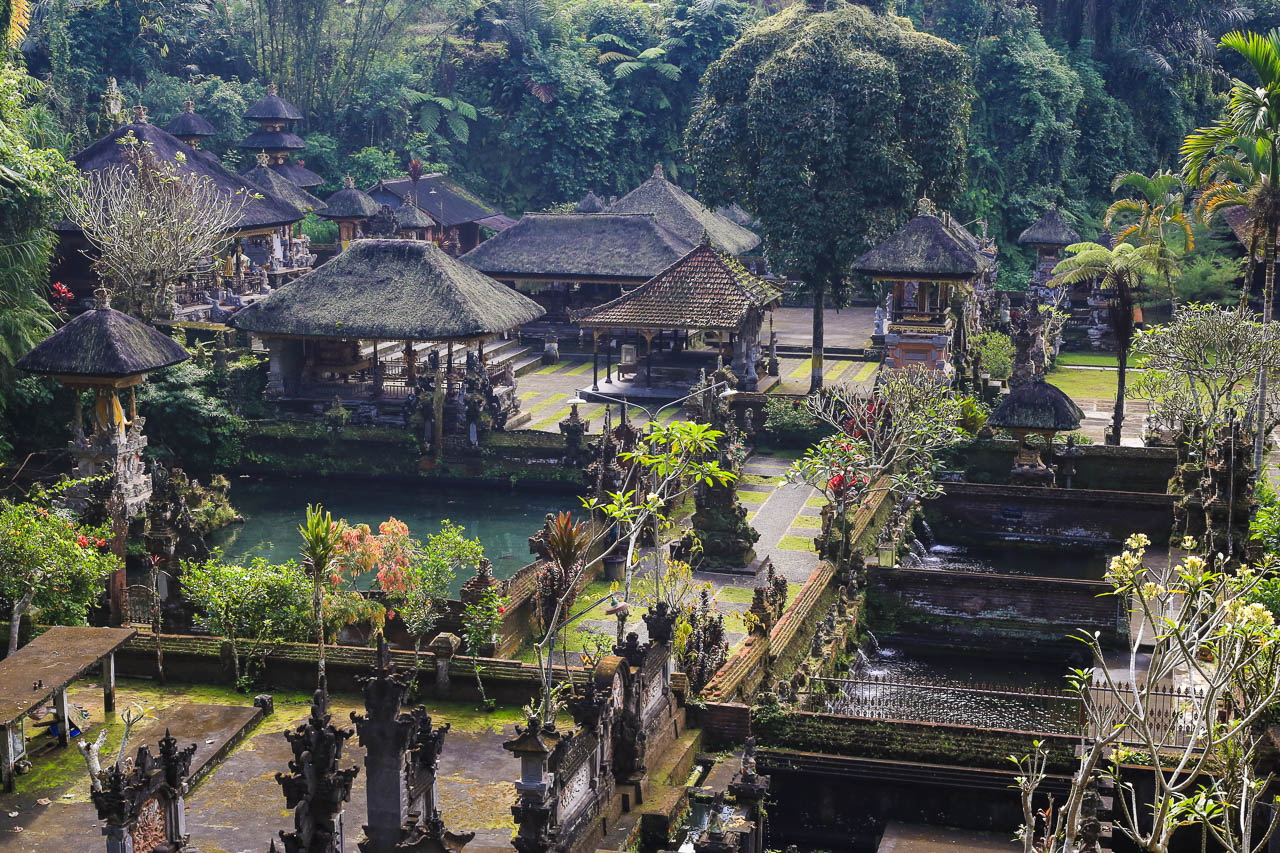
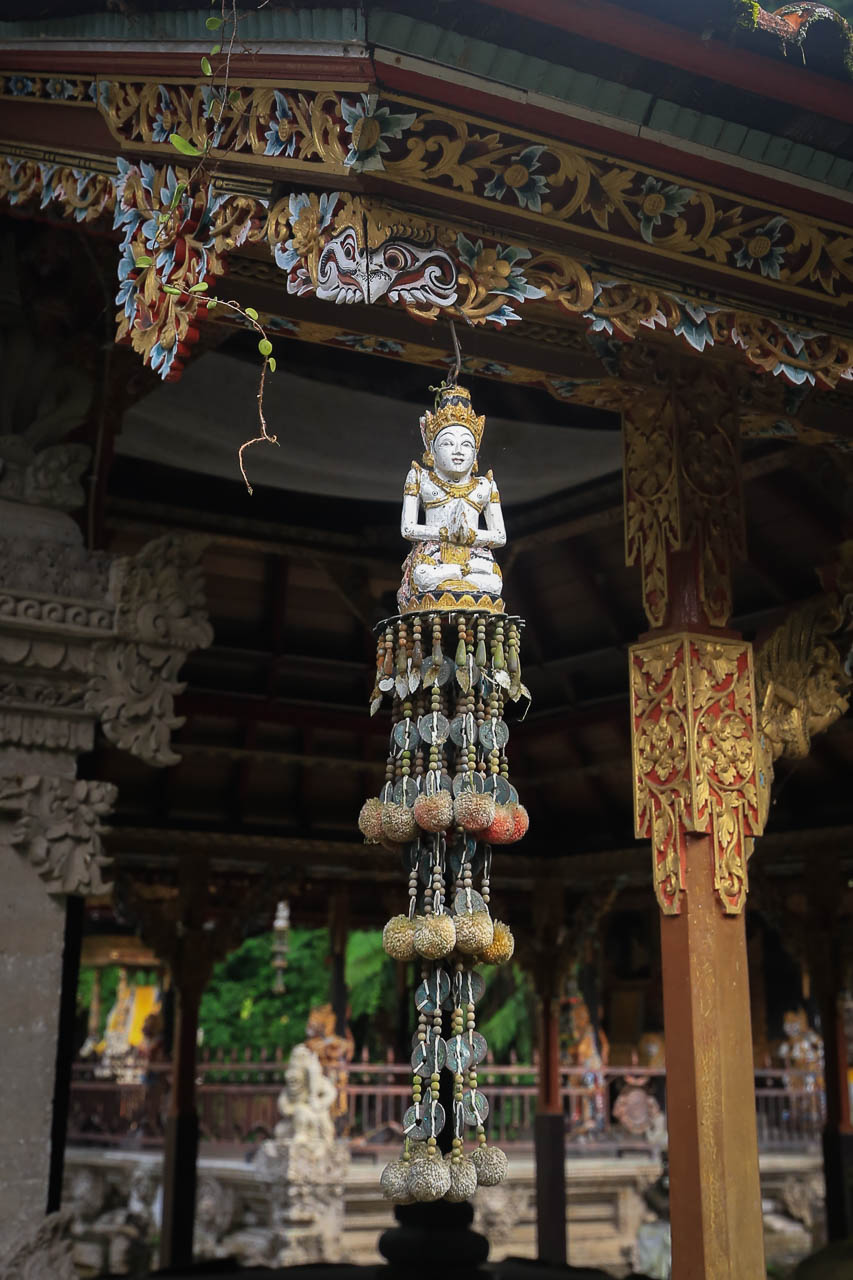
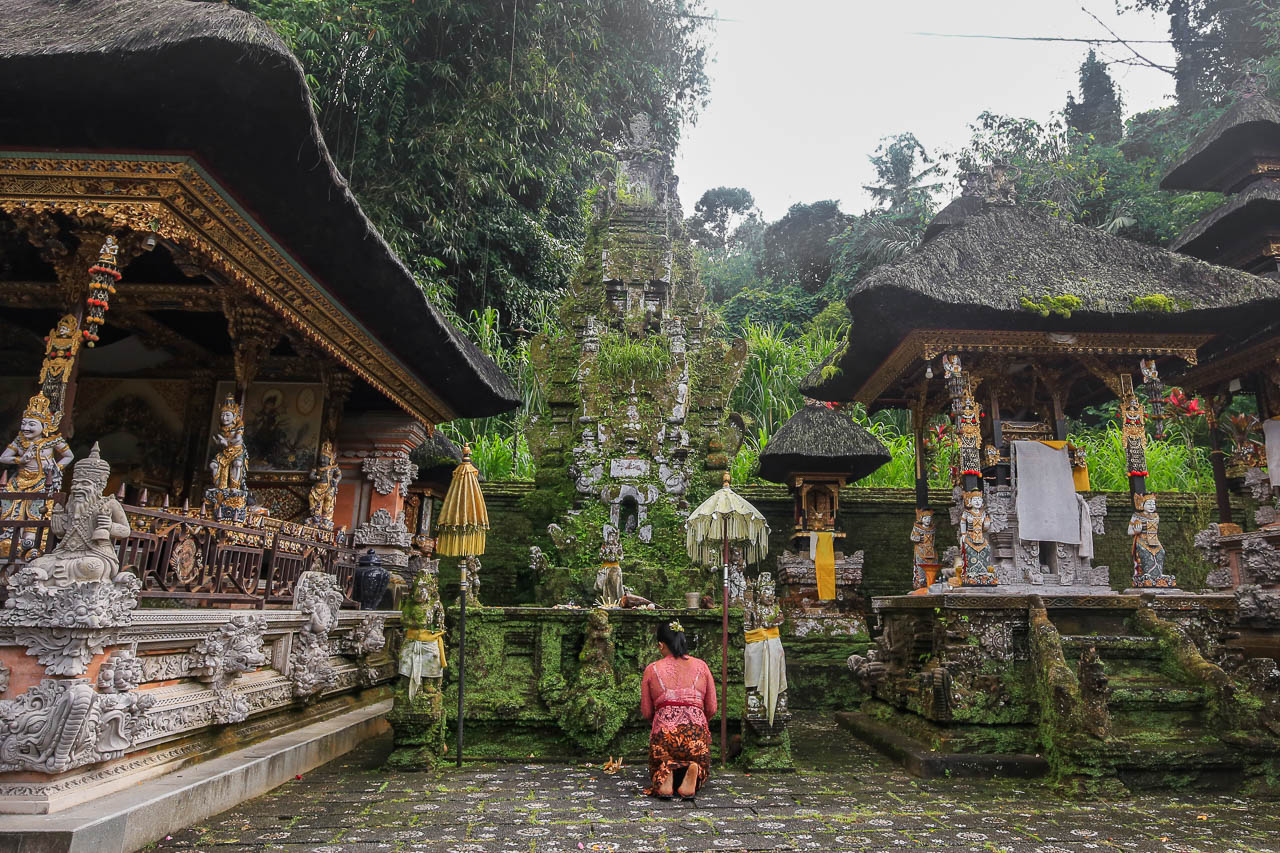
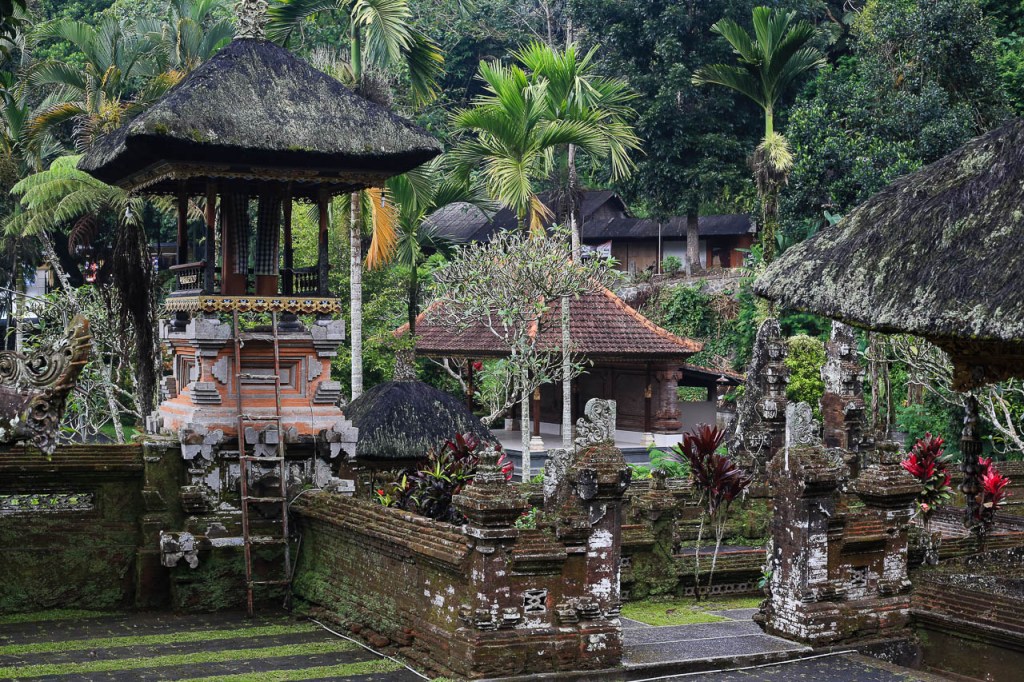
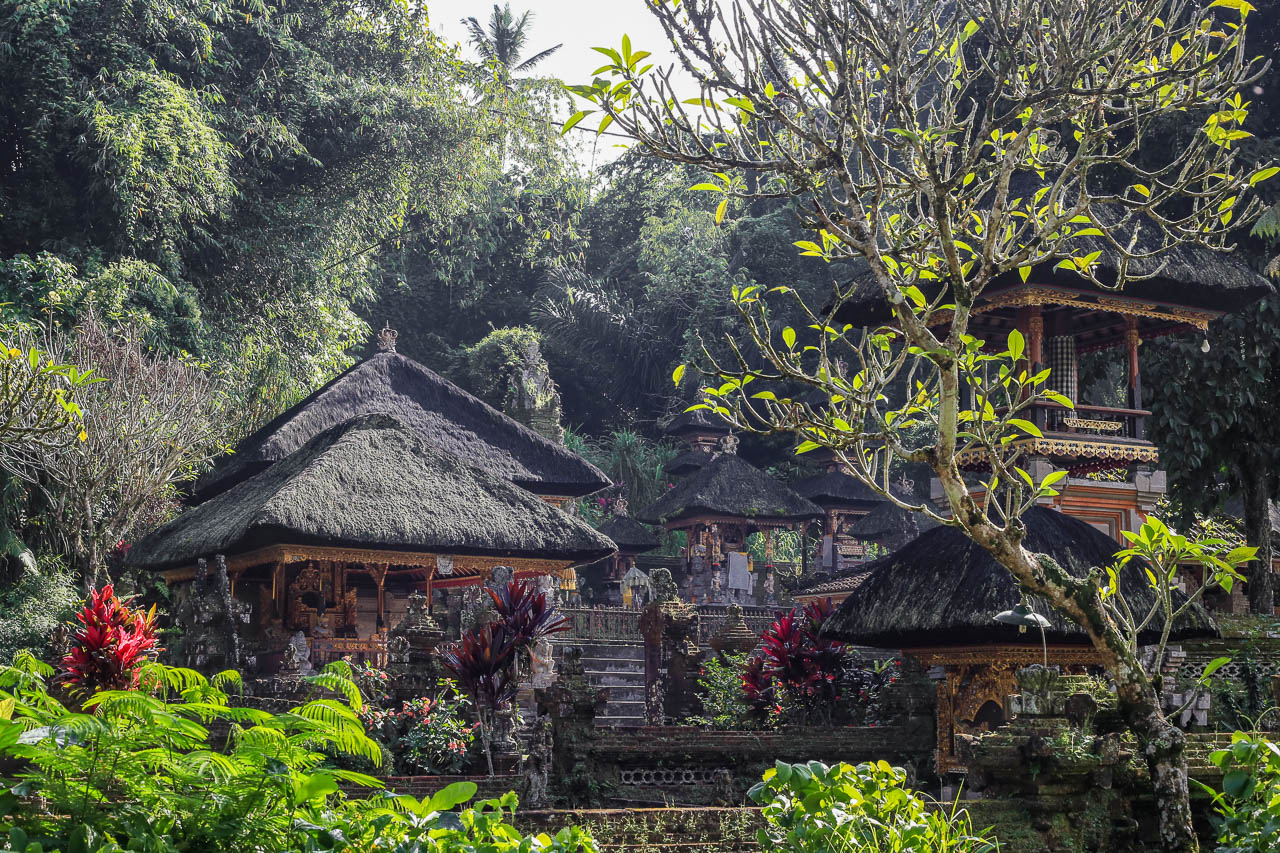
The moss-covered stone walls, intricate carvings, and vibrant sculptures all tell a story of hundreds of years of devotion and artistry in this peaceful temple. The colorful carvings and guardian figures decorating the pavilions are especially striking. Sebatu village is known for its woodcarving tradition, and the people here maintain and restore the pavilions with great care and dedication.
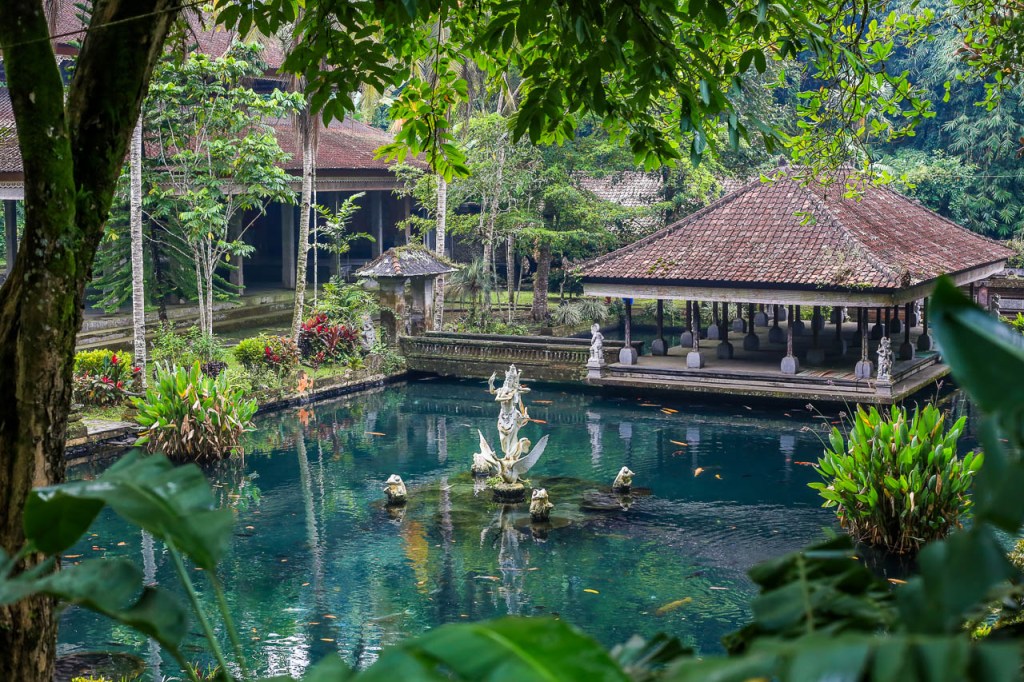
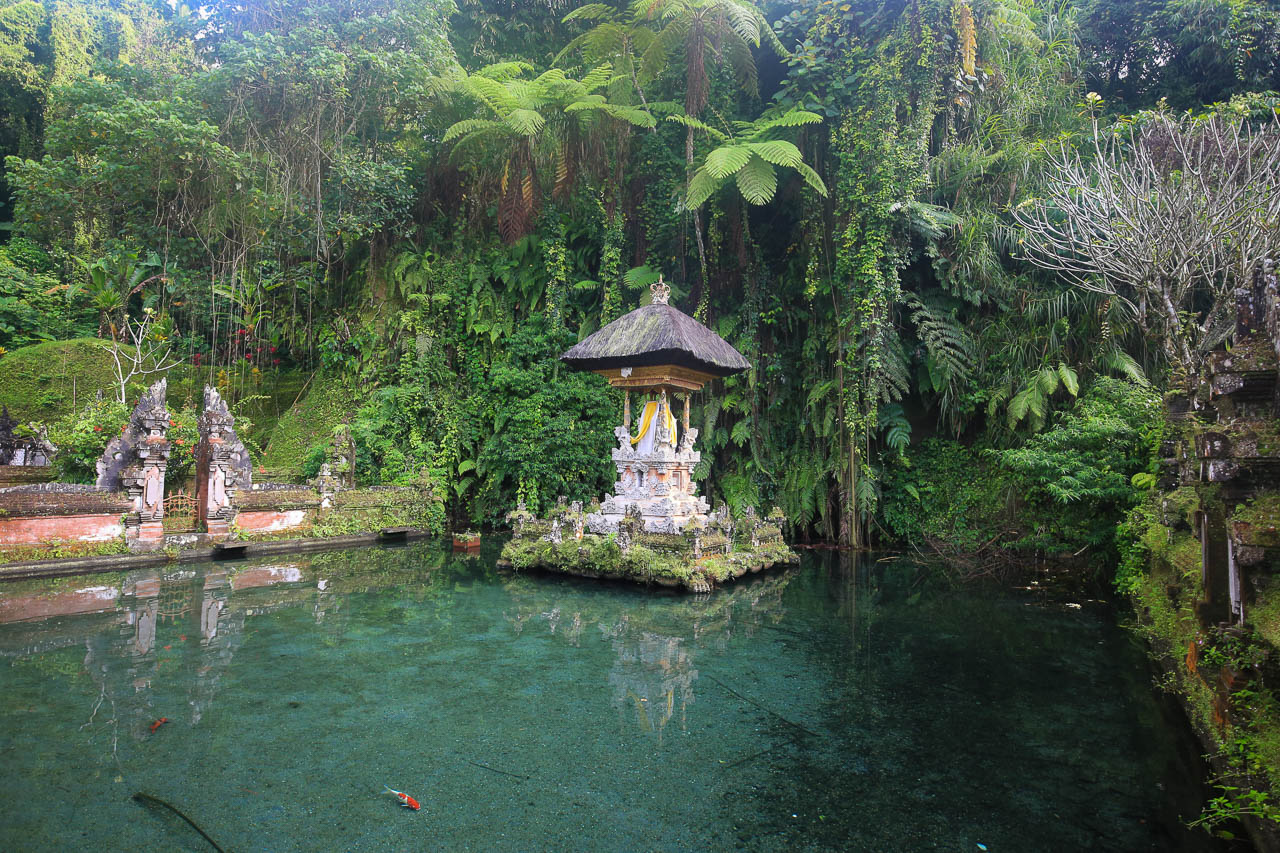
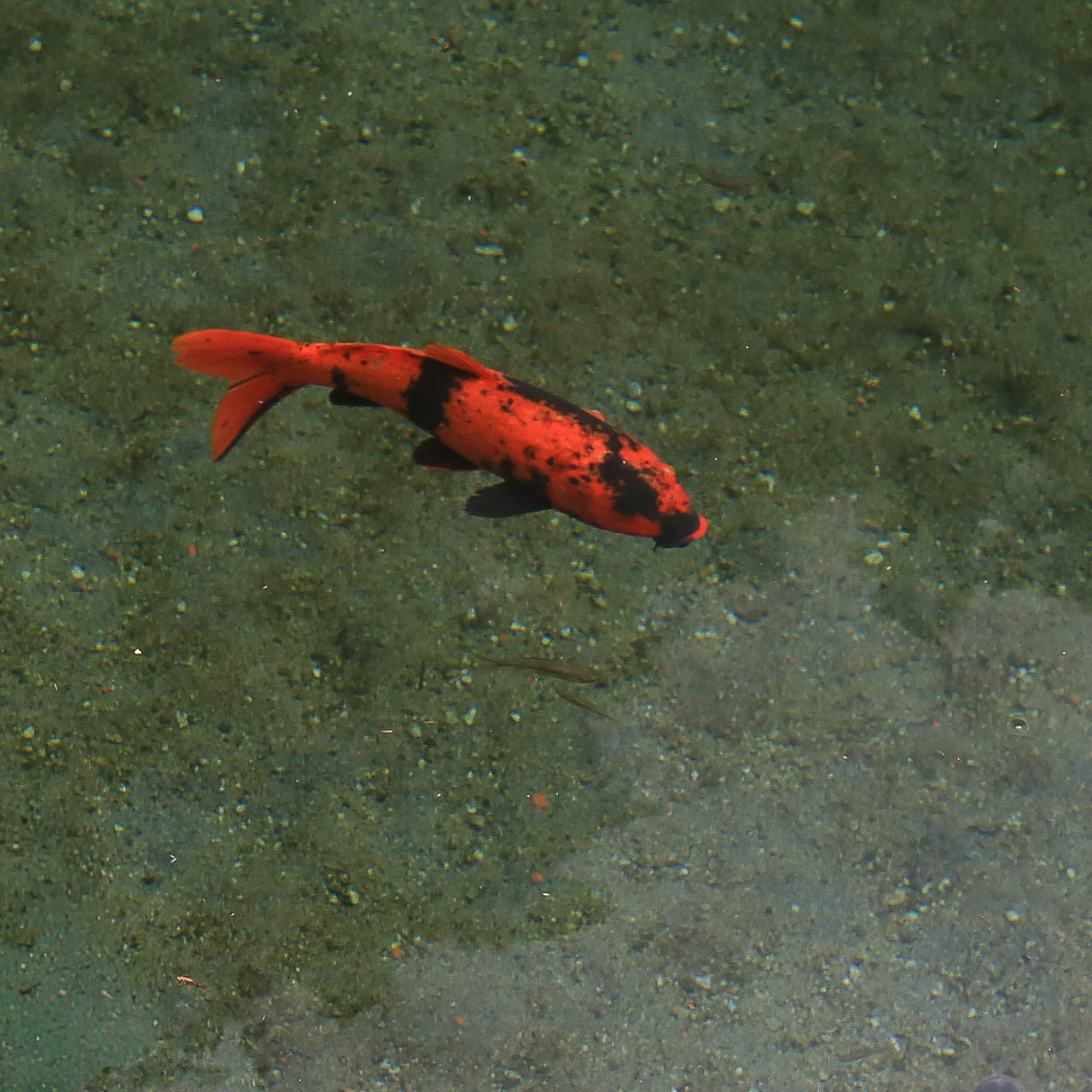
Walking down the flight of stairs, you arrive at the outer courtyard, where a pond and a water garden with golden carp surround a statue of Saraswati, the goddess of wisdom and knowledge. To the right of it are the public bathing pools fed by fresh natural springs used for everyday needs. They are divided into two sections: wanita (women) on the left and pria (men) on the right.
Continuing into the middle courtyard (jaba tengah), you encounter several sacred structures, including meru (tiered shrines), bale (pavilions), and a candi bentar (split gate). A highlight of this area is a statue of Lord Vishnu standing on a lotus, holding his four divine attributes, symbolizing his role as the guardian of water and life.


The innermost courtyard, the spiritual heart of the temple, contains the main shrine complex known as gedong penataran. Stone temples decorated with intricate carvings are dedicated to Lord Vishnu and to the ancestors of Balinese kings. At the center of this sacred space lies a large square spring basin, considered the sanctuary of the temple. Rising from the middle of this holy water is an open shrine with a stone throne used by priests during ritual purification ceremonies.
Spiritual significance and functions
The origins of the temple go back to the 11ᵗʰ century, the foundation is dated to the reign of King Anak Wungsu of the Warmadewa dynasty, similarly to Pura Tirta Empul.
Pura Gunung Kawi Sebatu is classified as a Dhang Kahyangan temple, meaning it is open to all Hindus in Bali rather than being limited to specific families or clans. It serves several important spiritual functions within Balinese religious life.
As a Holy Spring Temple, it is dedicated primarily to Lord Vishnu, one of the principal deities of Hinduism, known as the preserver and protector of the universe. His role is to maintain balance, restore cosmic order, and protect the world from evil. He is often depicted with four arms, holding a lotus, a conch, a discus, and a mace, and he is associated with qualities like compassion, protection, and harmony. According to local legend, Vishnu granted the people of Sebatu a sacred spring after they defeated an evil king, Mayadenawa, who denied the existence of the gods.
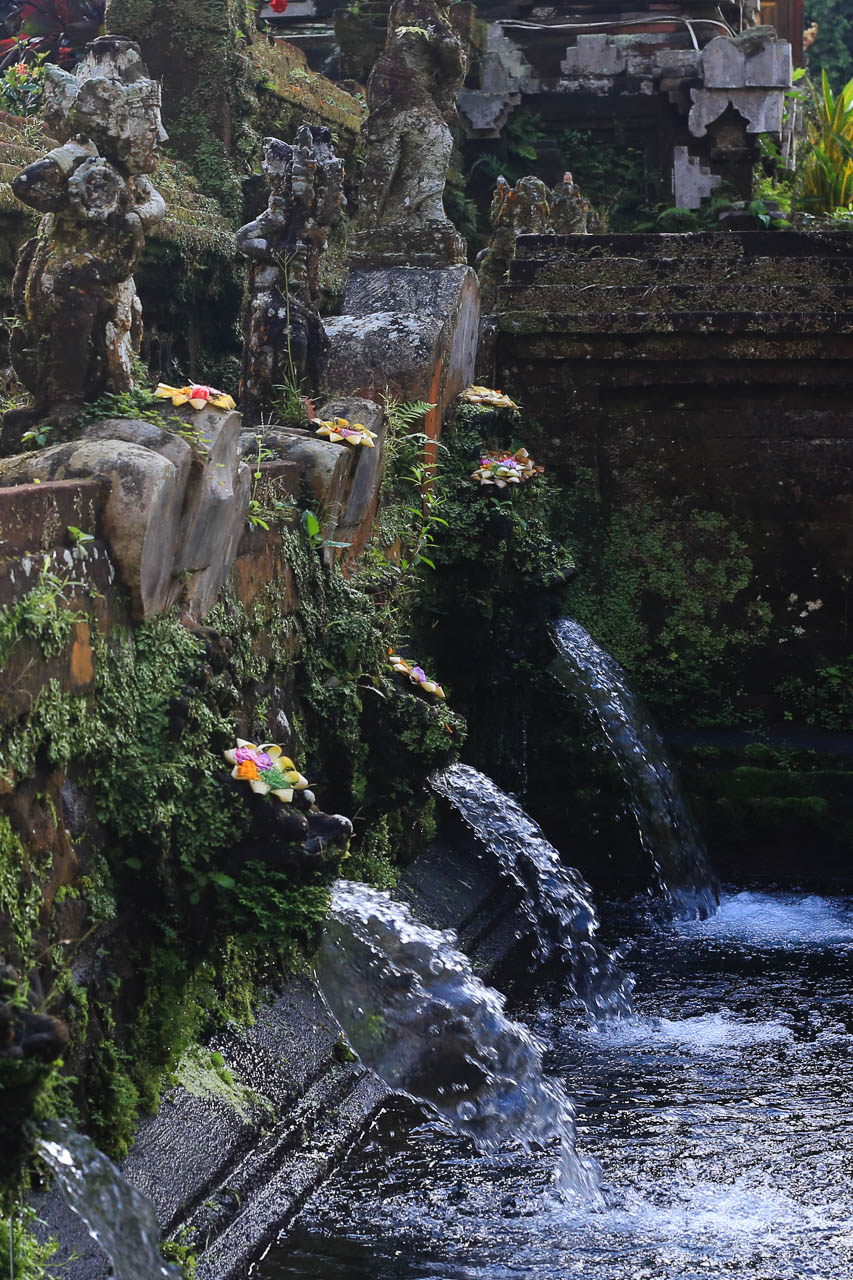
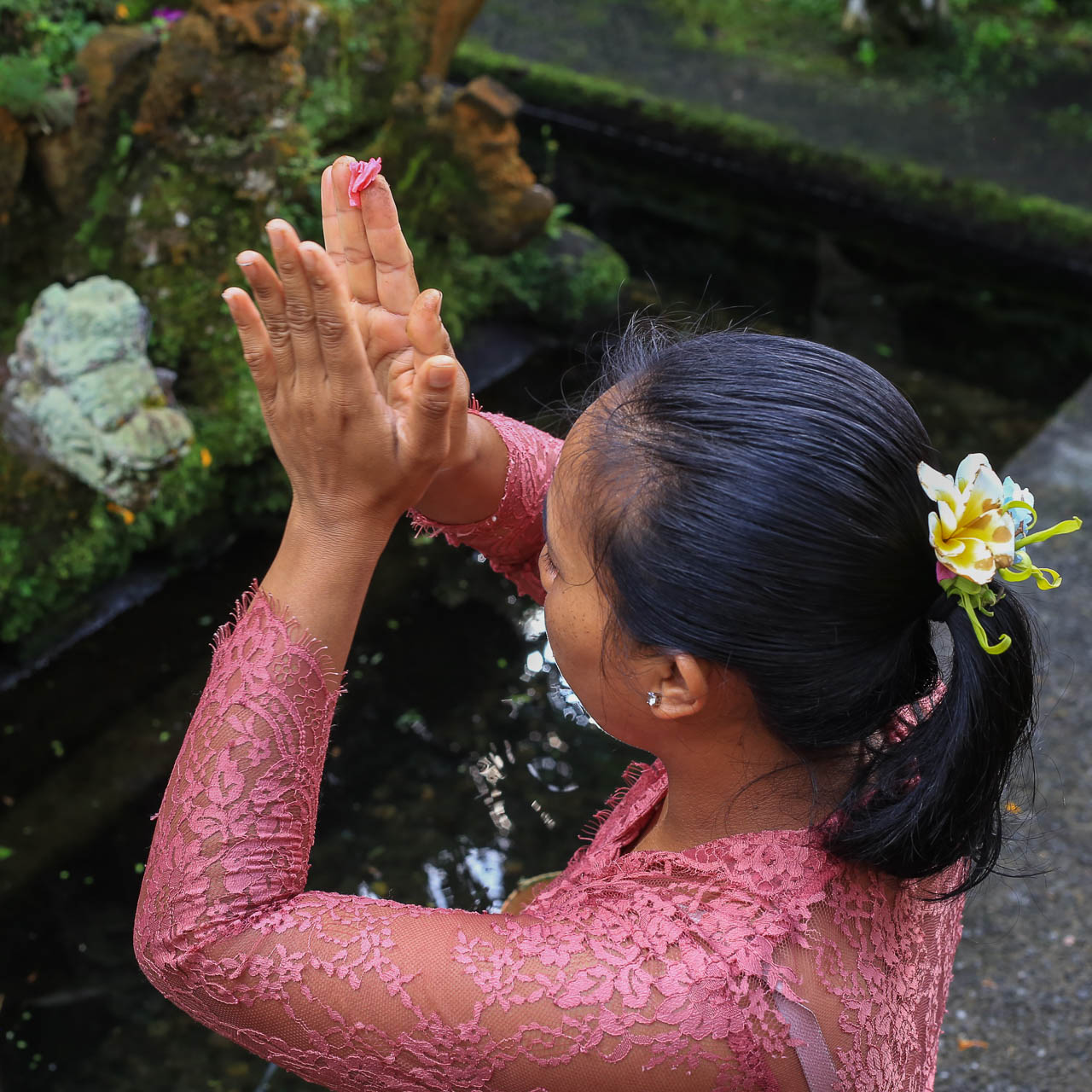
The temple is also renowned for its purification rituals (melukat). Devotees come to bathe in the holy springs, seeking blessings, cleansing, and renewal.
Visiting
Respectful visitors are always welcome. There is an entrance fee, and if the ticket counter is closed, you may place the appropriate amount in the donation box. Sarongs can be borrowed, but it is recommended to bring your own in this area, which is rich in spectacular holy sites and historic landmarks. Occasionally, visitors participate in the purification bath; for this, please contact a local priest.
Bibliography
Haer, Debbie Guthrie, Morillot, Julliet and Toh, Irene Bali, a Traveller’s Companion. Singapore: Didier Millet, 2007
Lansing, J. Stephen. Perfect Order: Recognizing Complexity in Bali. Princeton and Oxford: Princeton University Press, 2006.
Pringle, Robert A Short History of Bali: Indonesia’s Hindu Realm. Crows Nest NSW: Allen & Unwin, 2004.
Reuter, Thomas A. Custodians of the Sacred Mountains: The Ritual Domains of Highland Bali. Hawaii: University of Hawaii Press, 2022.
Stuart-Fox, David Pura Besakih. Temple, Religion and Society in Bali. Leiden: KITLV Press, 2002.

Nearby Temples
From Pura Gunung Kawi Sebatu not only the temples of Tampaksiring are reachable within a fifteen minutes drive, but also Pura Agung Gunung Raung in Taro and the ancient water sacntuary Pura Telaga Waja, closer to UBUD, too.
Our next region, MOUNT BATUR lies about a half-hour’s drive away to the north. Around this active volcano, a network of temples forms an interlinked spiritual landscape dedicated to the lake goddess Dewi Danu, where sacred architecture and enduring ritual practices sustain a delicate harmony between volcanic power and the flow of water.
Previous temple:
Next temple:
Next region:
Photos and text © 2025 Alida Szabo.
