— Lakeside Sanctuaries for Holy Water —
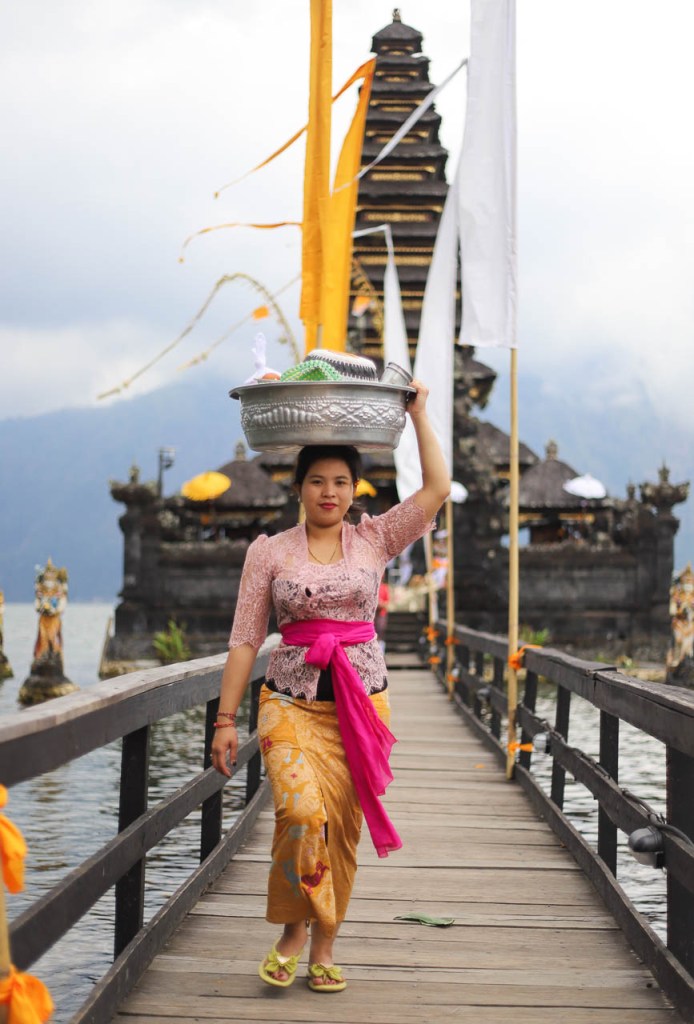
Meaning of its names: Jati is rooted in pejati, meaning ‘to perform a duty with sincerity and proper ritual procedure’. Segara means ‘ocean’, referring to the lake symbolizing larger bodies of water.
Location: At the western side of Lake Batur.
Map: Batur Tengah, Kintamani, Bangli, Bali, Indonesia
Dates back to: Pura Jati: before the 16ᵗʰ century. Pura Segara Ulun Dan Batur: Unknown, no mentions in historical scripts.
Main building: An 11-tiered meru in Pura Segara Ulun Danu Batur, dedicated to Dewi Danu.
Region: Mount Batur
Theme: Water Temples
Requirements for visit: Sarongs are available to borrow at Pura Segera Ulun Danu Batur; donation recommended.
Pura Segara Ulun Danu Batur
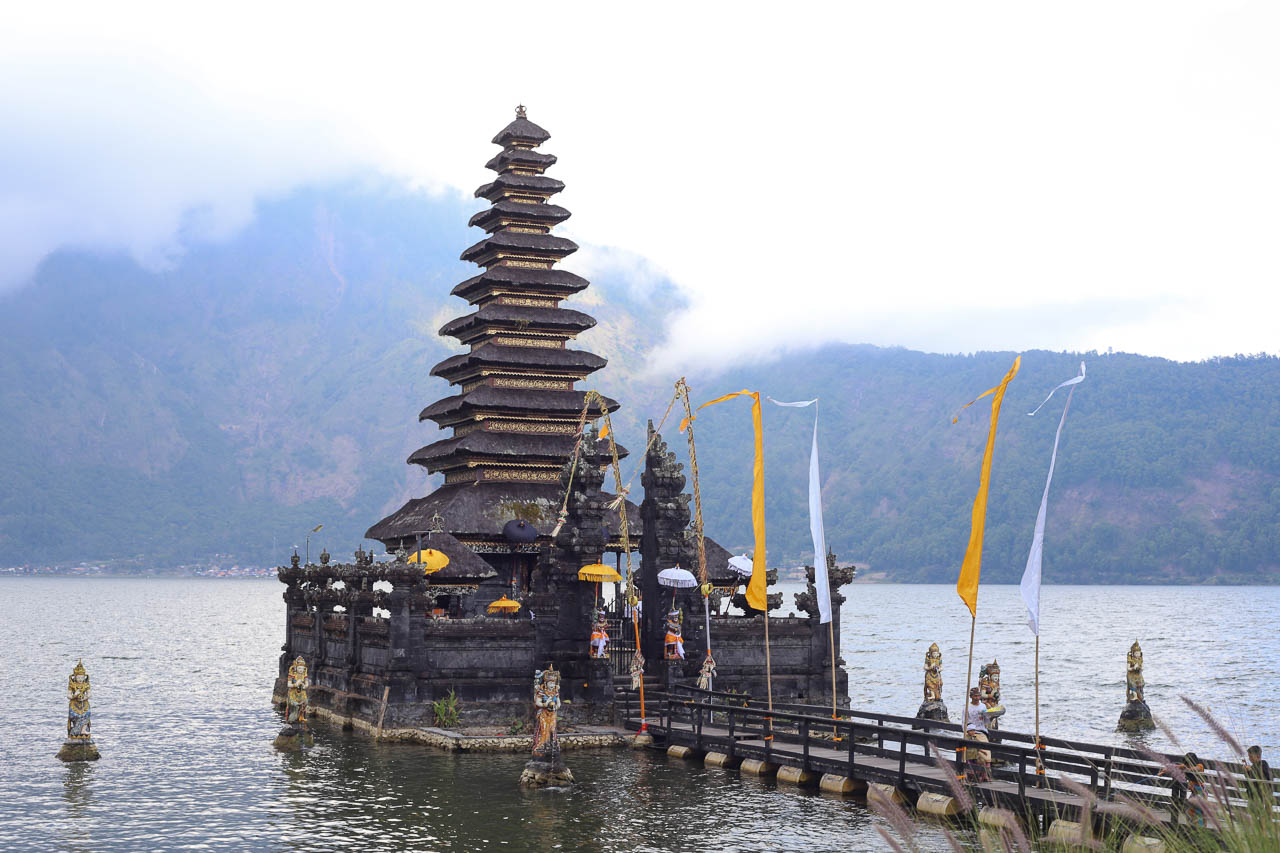
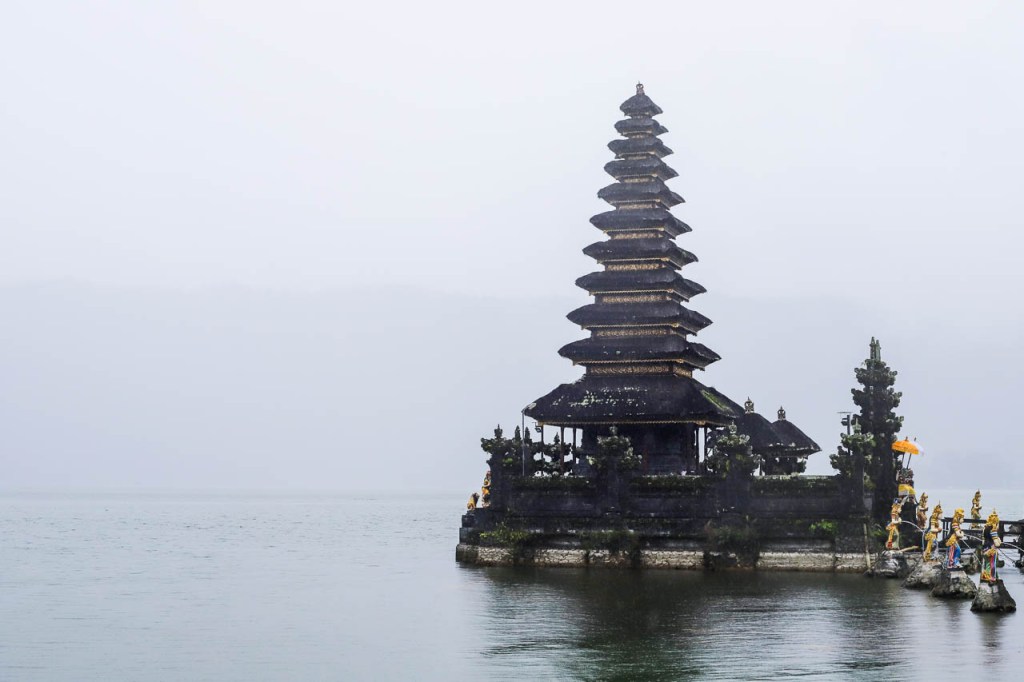
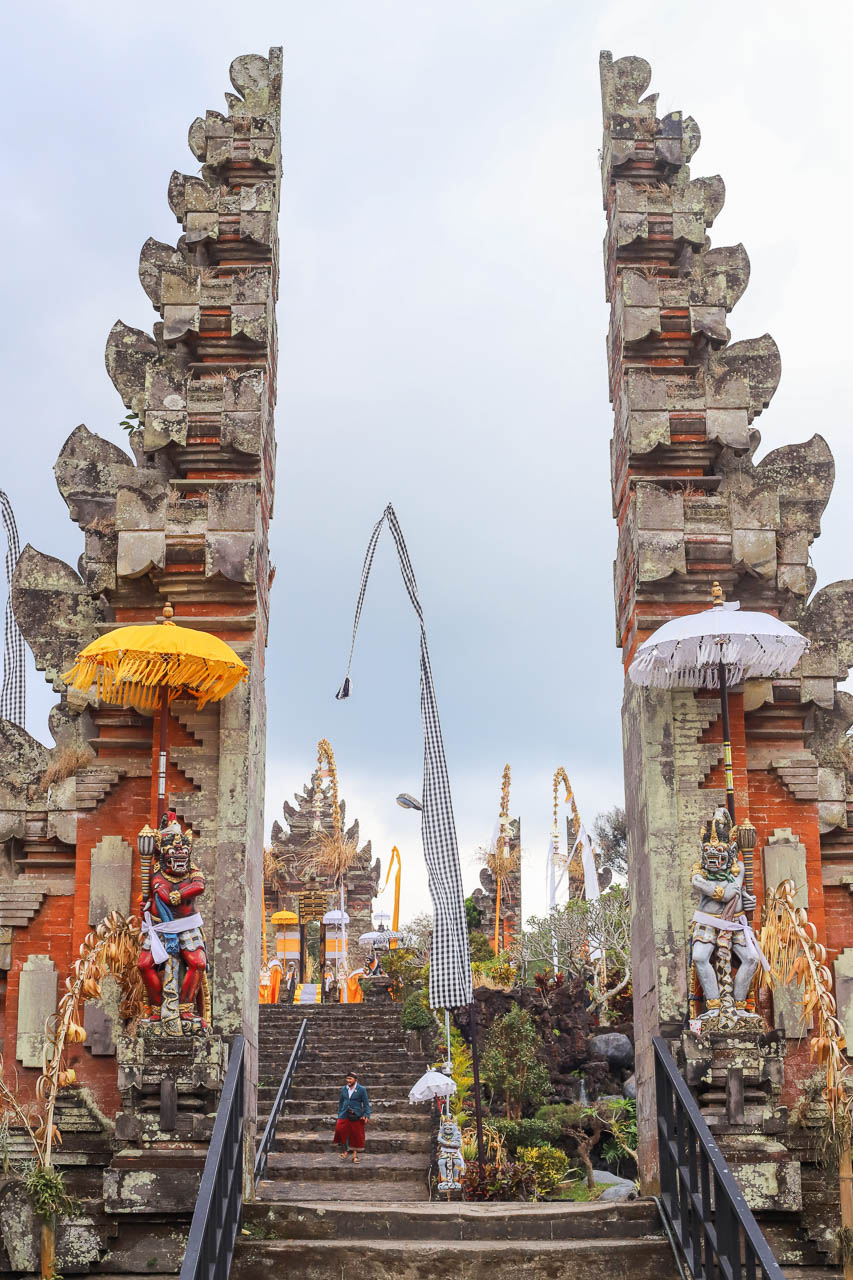
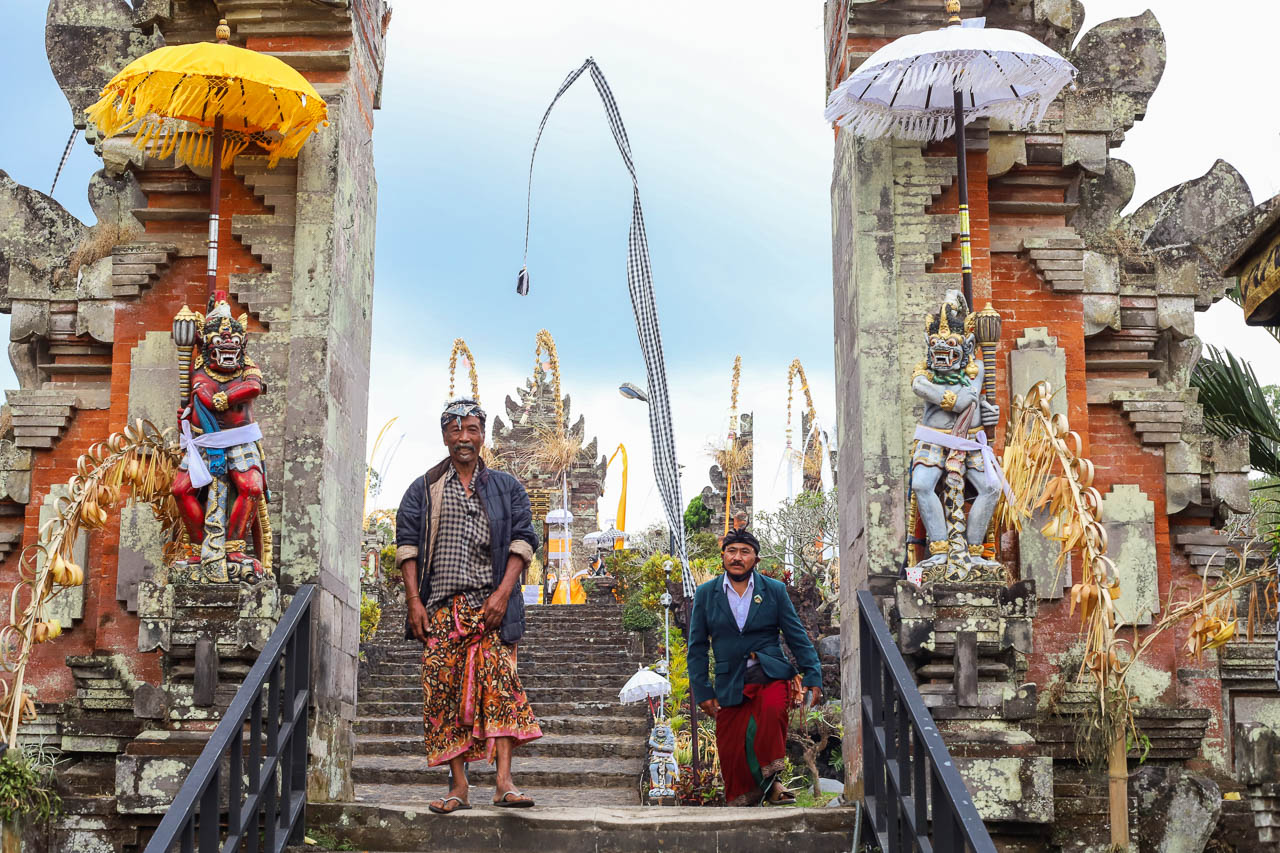
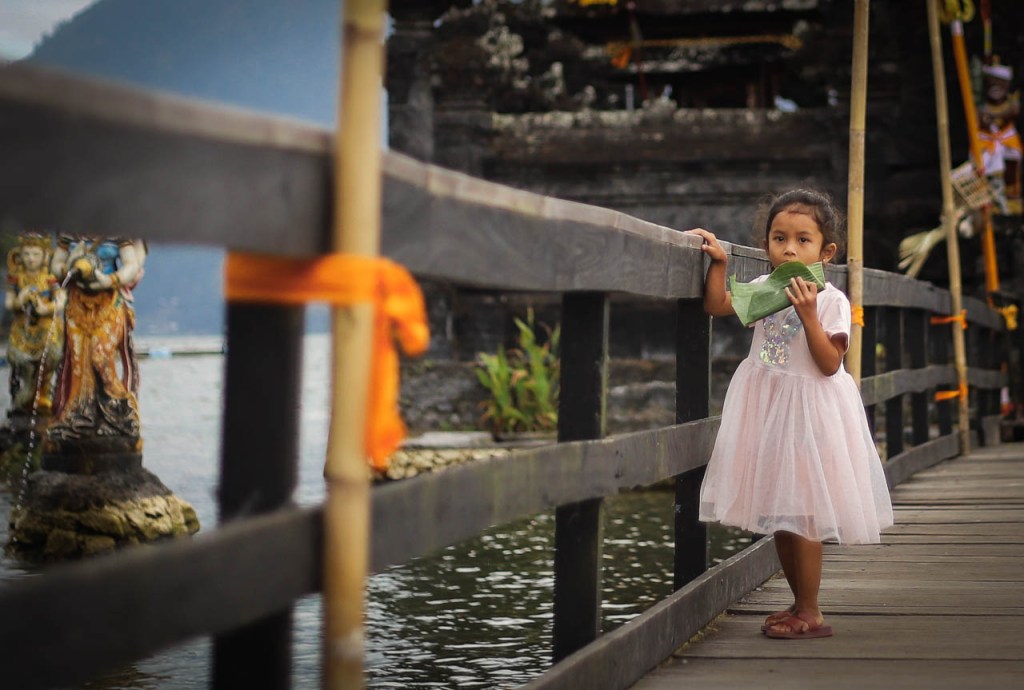
Directly on the surface of Lake Batur lies Pura Segara Ulun Danu Batur, built on solid rock beneath the water and connected to the shore by a wooden bridge. This shrine is not to be confused with the much larger Pura Ulun Danu Batur, the “mother temple” of Lake Batur, situated on the caldera rim above. The two are, however, ritually connected. They are both dedicated to Dewi Danu and symbolize the layered relationship between the mountain, the lake, and the flow of sacred water through the landscape. Pura Segara Ulun Danu Batur serves as the waterside shrine of Pura Jati.
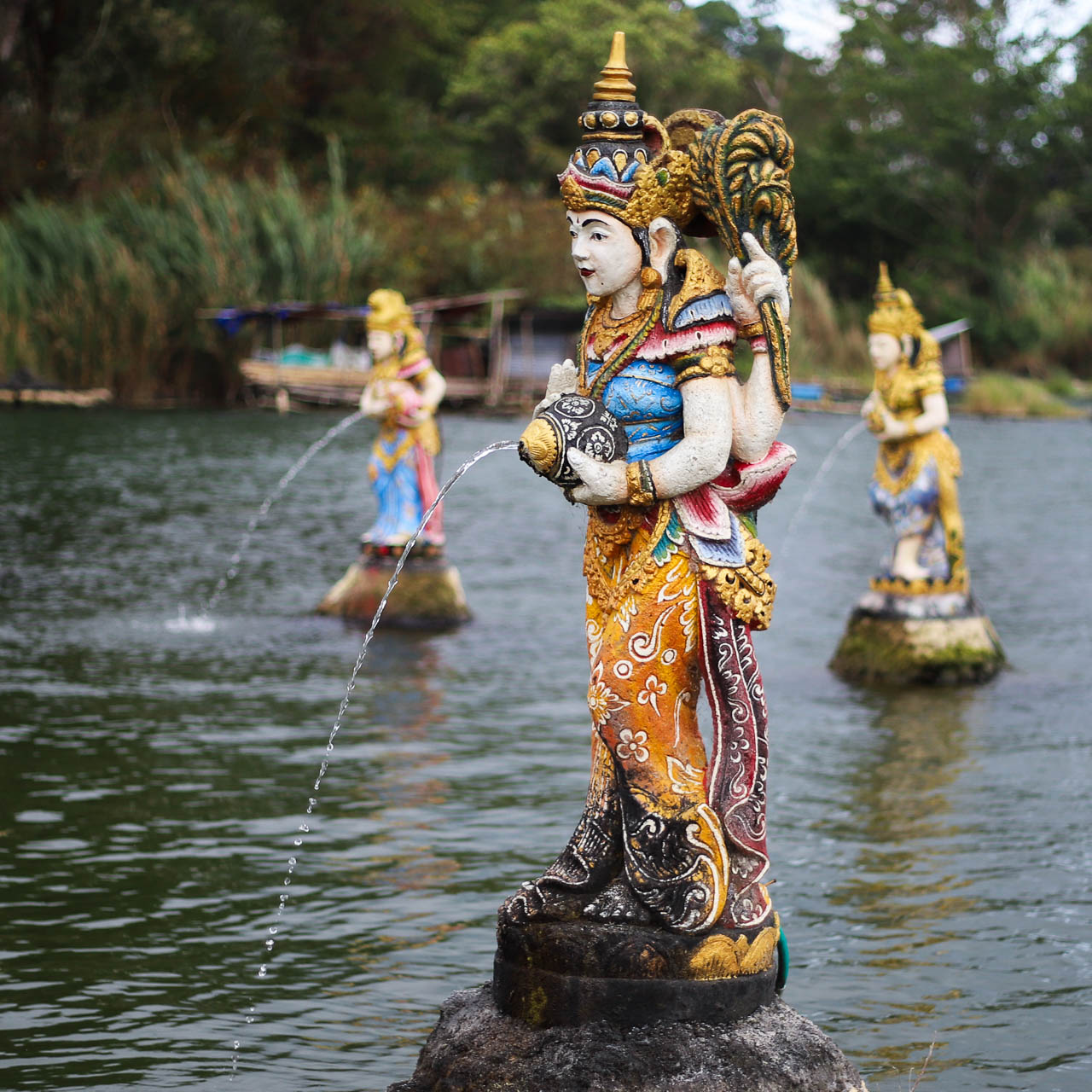
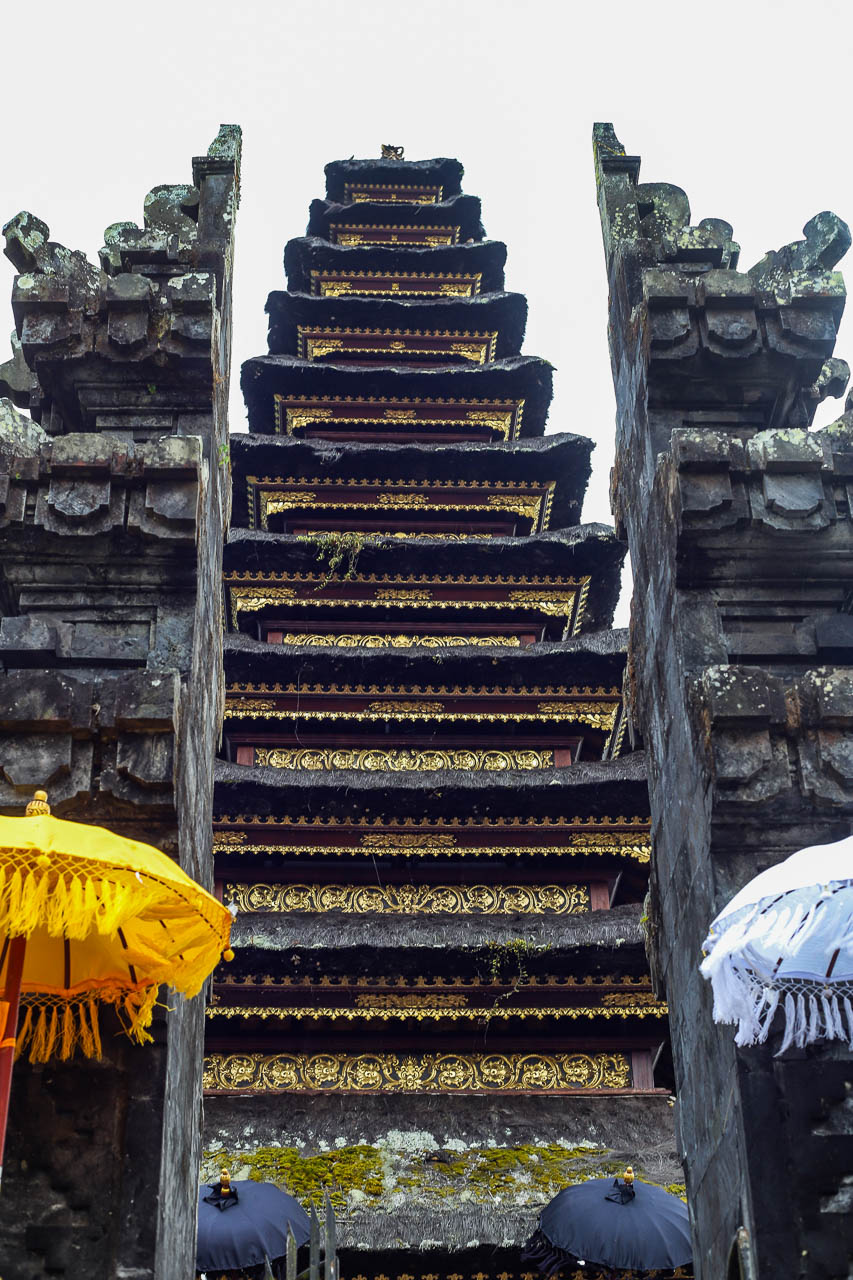
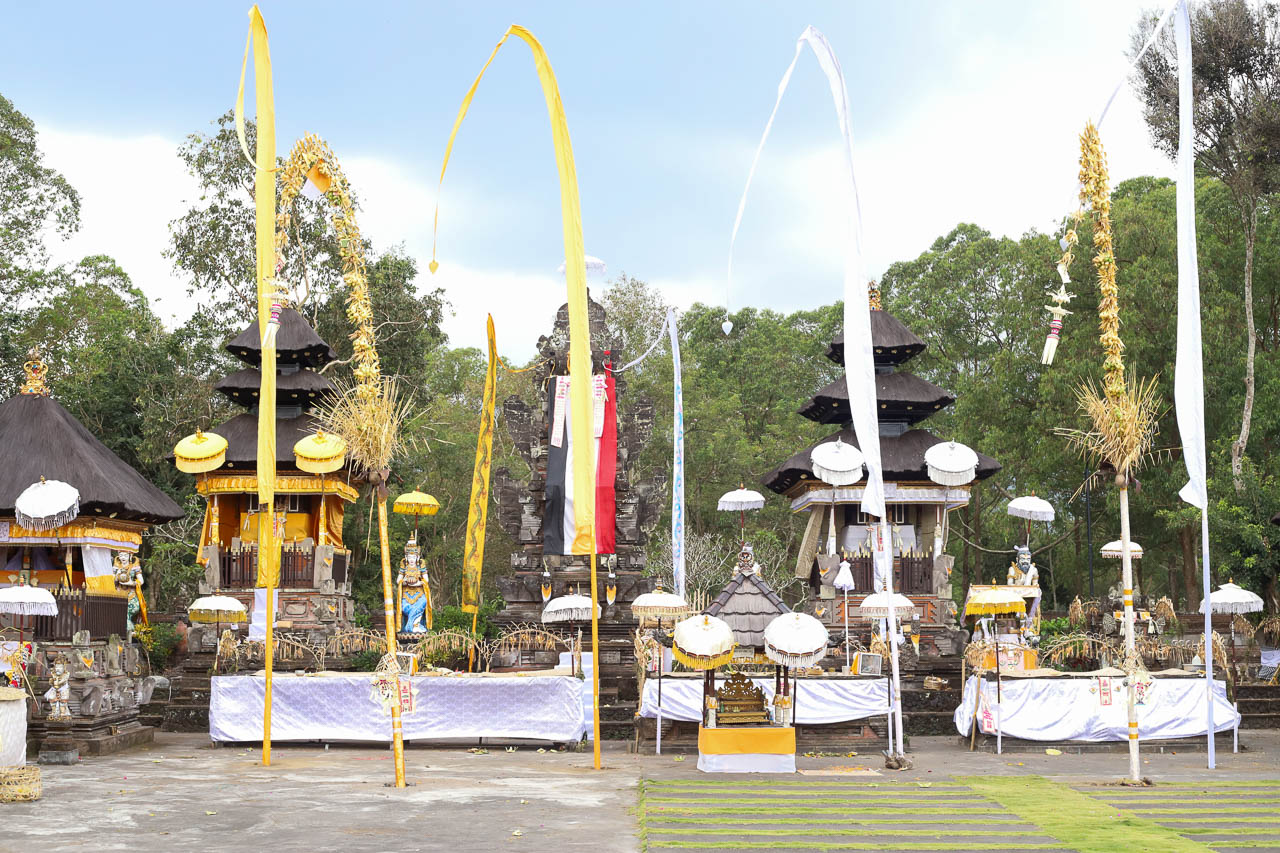
The eleven-tiered meru tower at Pura Segara Ulun Danu Batur—a form reserved for only the most sacred shrines—attests to the temple’s dedication to Dewi Danu, the goddess of the lake. The very term segara, Sanskrit for “ocean,” reflects how the caldera lake is conceived as a boundless inner sea, the body of water from which Bali’s vitality is sourced. Balinese cosmology holds that water from Lake Batur and Lake Bratan flows through underground channels to nourish Bali’s rivers and rice fields, sustaining the subak irrigation system that defines much of the island’s landscape and culture.
Pura Jati
Right next to it, Pura Jati serves as one of Ulun Danu Batur’s sub-temples and plays a vital role within the sacred network of the mountain temples. Historically, it was responsible for determining and announcing the beginning of the new Saka year, aligning agricultural cycles and fertility rituals throughout (northern) Bali. The temple was once tended by Buddhist priests, who later transferred its guardianship to Dang Hyang Nirartha, the Brahmana sage who reformed Balinese Hinduism in the 16ᵗʰ century.
Ceremonies
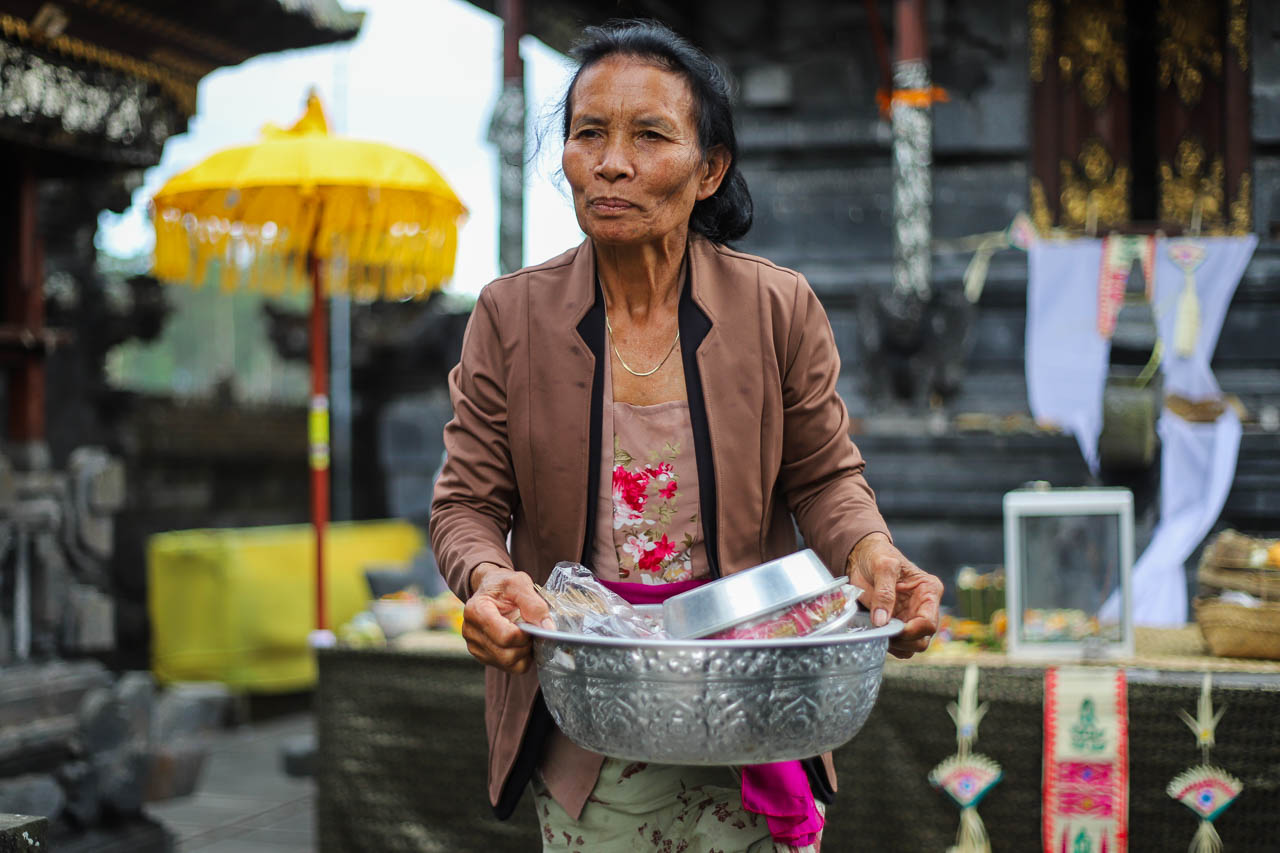
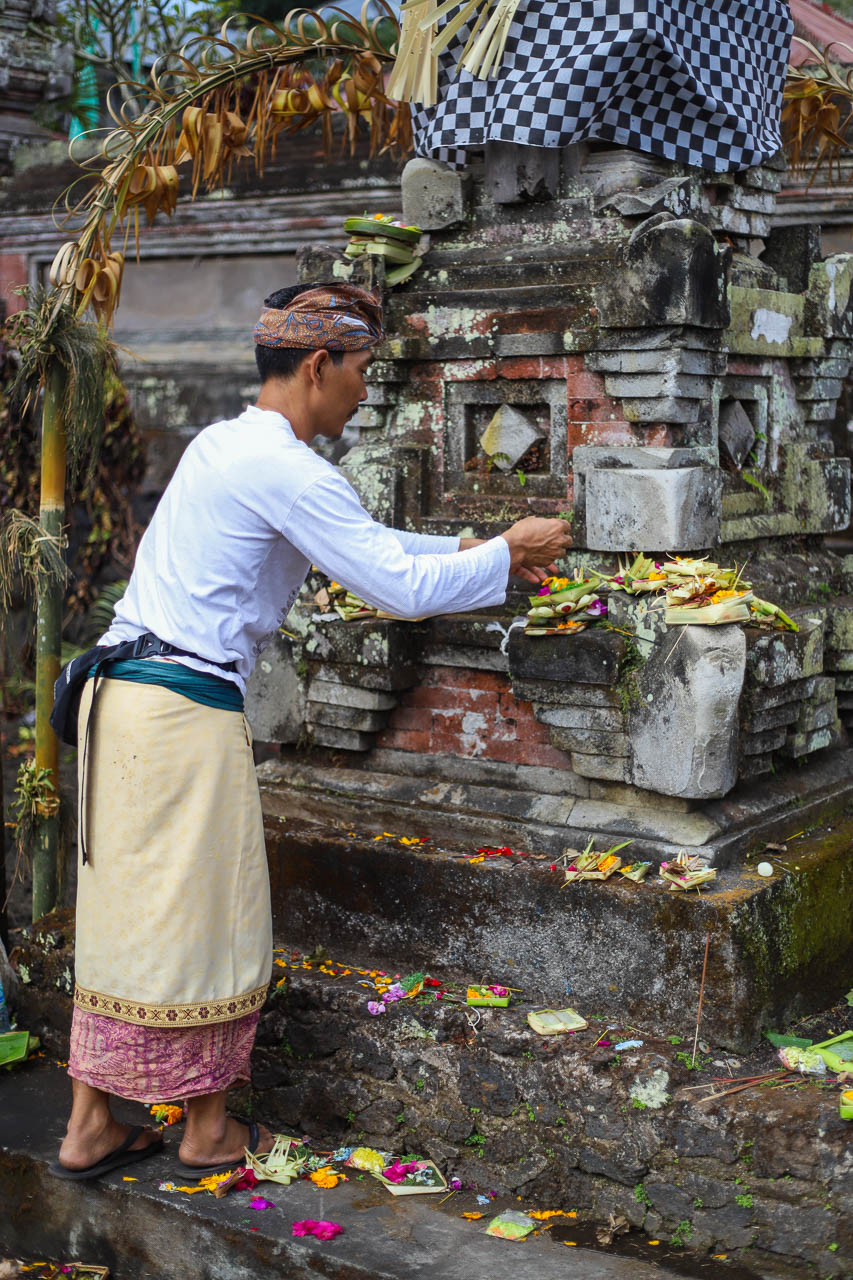
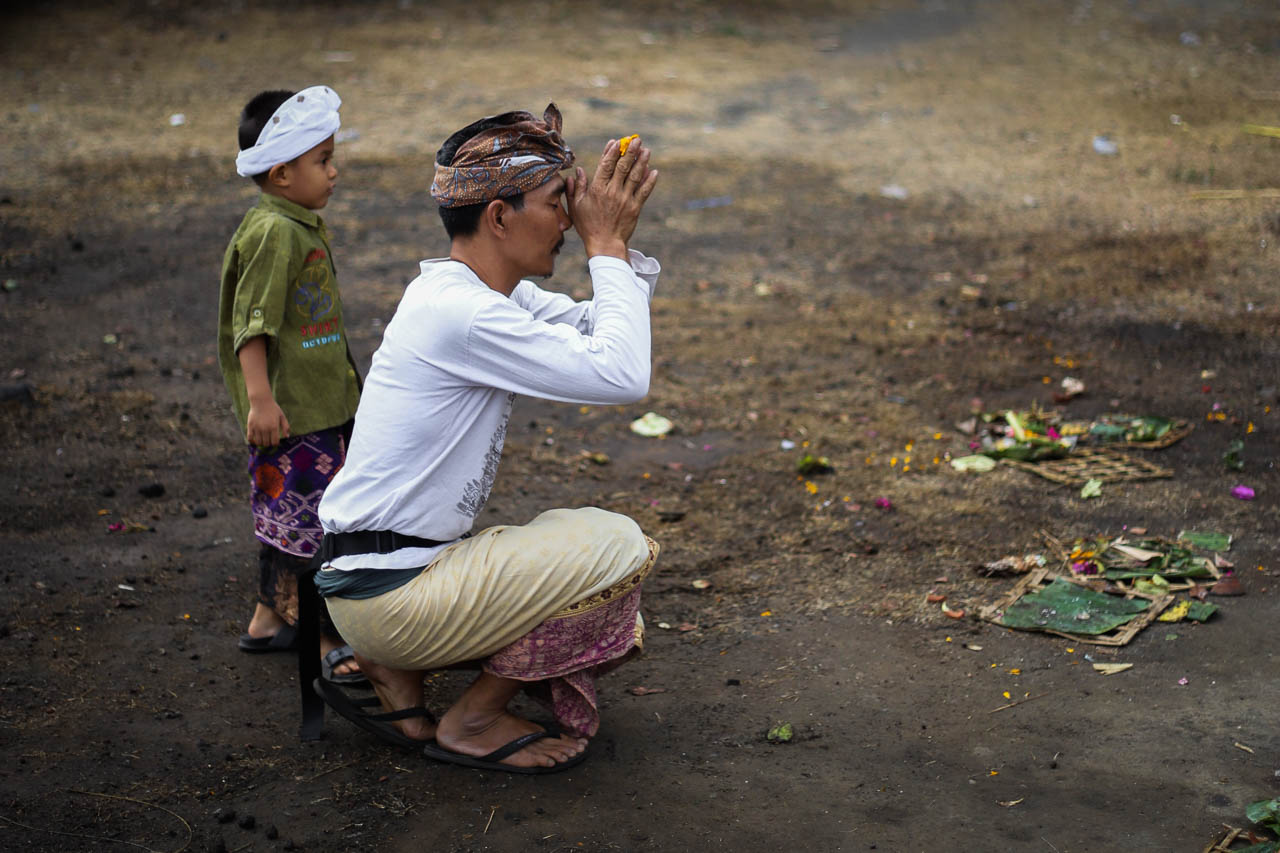
Today, priests and devotees still regularly gather at Pura Jati to invoke and collect tirta (holy water) for purification rites preceding major ceremonies. The water is believed to ensure fertile growth and protect the fields from pests, linking ritual practice to ecological balance.
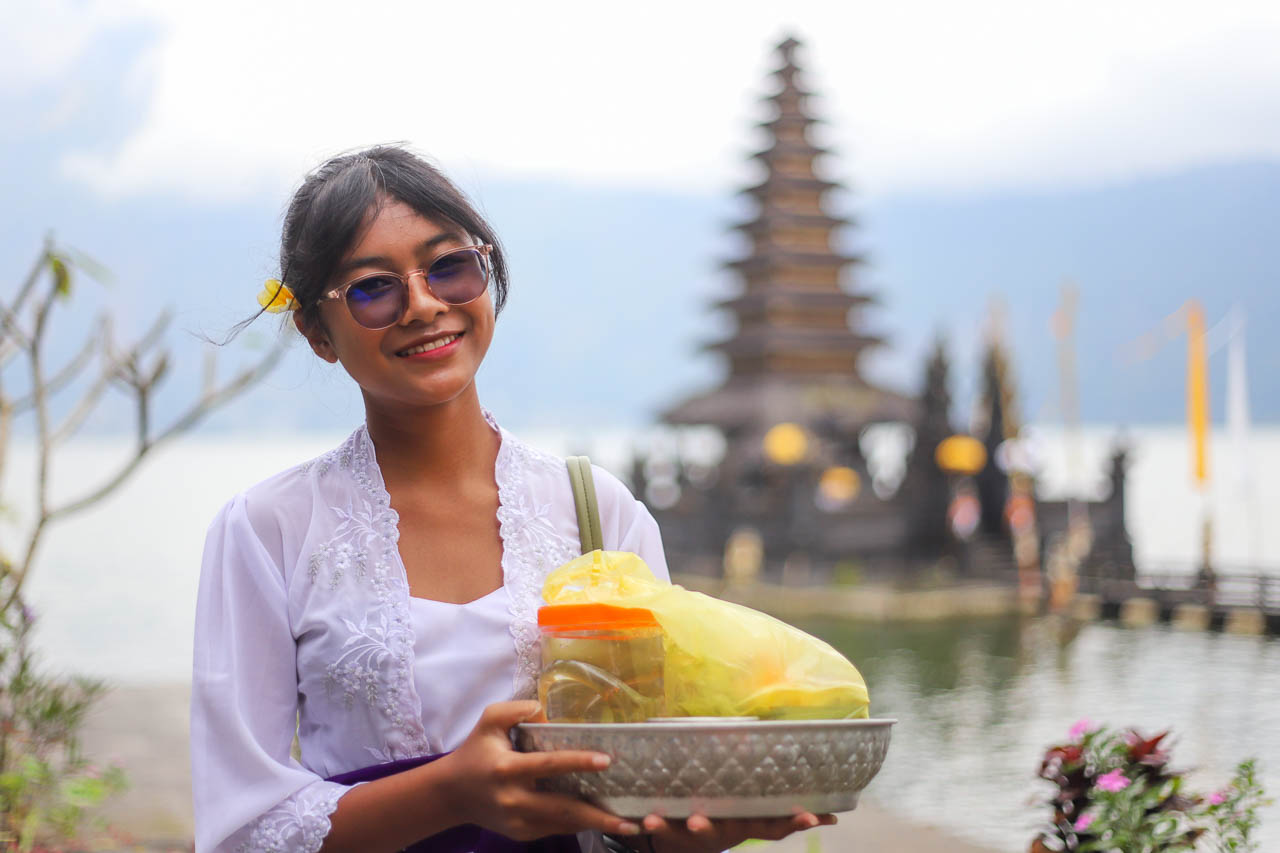
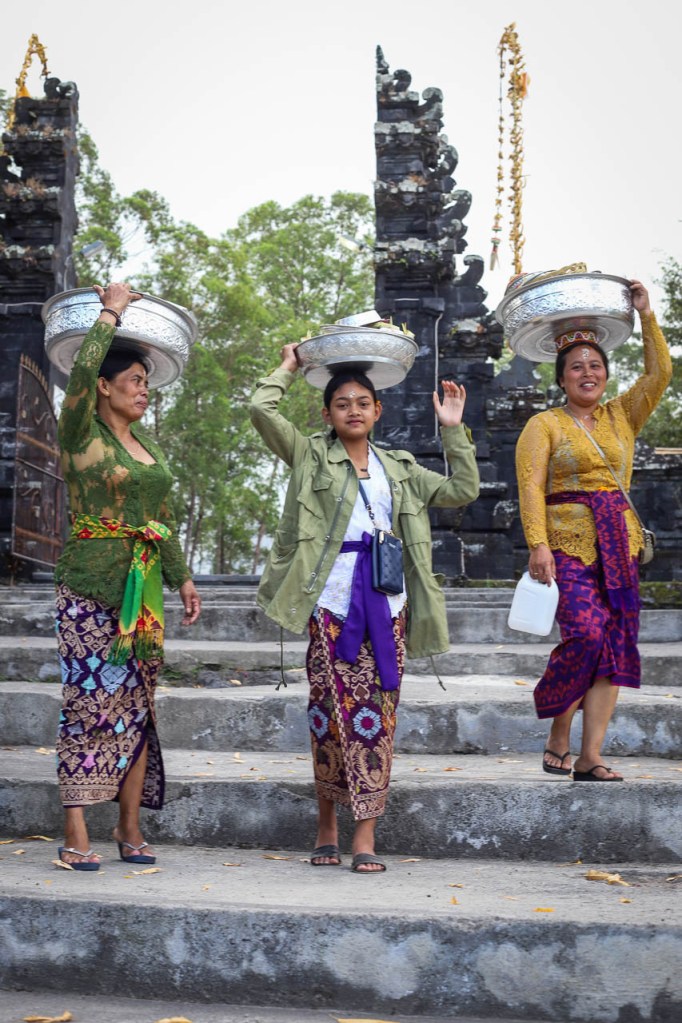
During the Pakelem di Danu ceremony, members of subaks from a wide area come to pay their respects and bring numerous offerings; once every five years, even a water buffalo is offered to the sea goddess. Before major events such as Mahayu Bhatara, devotees visit Pura Jati to request holy water and perform the Widhi Widana ceremony in honor of Bhatara Ganga, the god of sacred rivers.
During the biannial Ngusaba Melasih Karo ceremony, the gamelan orchestra and numerous sacred objects of Pura Ulun Danu Batur are moved here, where the ceremony takes place for several days.

Pura Jati and the Segara shrine belong to a network of temples collectively dedicated to Dewi Danu, the goddess of the lake, and to closely related deities such as Ratu Magening. According to local belief, the spring near Pura Jati is the source from which the goddess sends water in every direction, regulating the circulation of the lake’s waters and determining how much will flow toward each part of the island. In reality, however, no water flows outward from Lake Batur.

Geology Within Reach
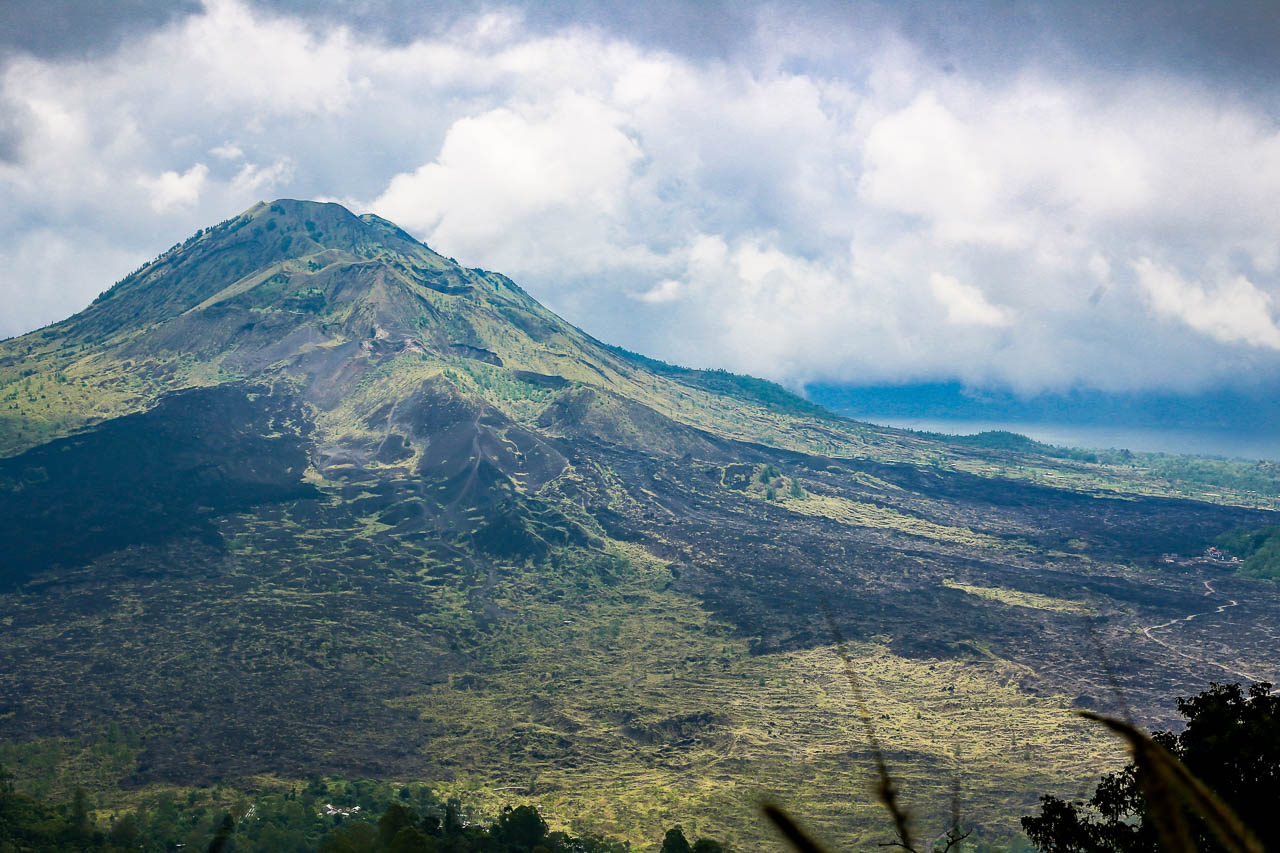
Close to Pura Jati, the dark, jagged lava fields formed during the 1965–1974 eruptions of Mount Batur remain clearly visible. These sharp-edged formations, born of volcanic fire yet resting beside the cool waters of the lake, embody Bali’s sacred balance between destructive and life-giving natural forces. Black lava stones were used in the construction of Pura Jati’s walls and, in carved form, to build the base of Pura Segara Ulun Danu Batur.

Bibliography
Haer, Debbie Guthrie, Morillot, Julliet and Toh, Irene Bali, a Traveller’s Companion. Singapore: Didier Millet, 2007
Asian Historical Architecture Pura Segara Ulun Danu Batur https://www.orientalarchitecture.com/sid/1918/indonesia/bangli-regency-bali/pura-segara-ulun-danu-batur, 7.10.2025.
Hauser-Schäublin, Brigitta & I Wayan Ardika Burials, Texts and Rituals: Ethnoarchaeological Investigations in North Bali, Indonesia. Germany, Universitätsverlag Göttingen, 2008.
Lansing, J. Stephen Perfect Order: Recognizing Complexity in Bali. Princeton and Oxford: Princeton University Press, 2006.
Stuart-Fox, David J. Pura Besakih. Temple, Religion and Society in Bali. Leiden: KITLV Press, 2002.
Nearby Temples
Descending from the caldera rim at Penelokan, the road divides at the lakeshore: turning right leads toward the Bali Aga village of Trunyan, with its Pura Pancering Jagat, while turning left brings you within minutes to the lakeside temple of Pura Jati and Pura Segara Ulun Danu Batur. Continuing further along the shore, the road passes Toya Bungkah, known for its hot springs, and gets to Songan, with its own lakeside shrines, Pura Hulundanu Batur and Pura Tirta Hulundanu, about 8 kilometers from Pura Jati.
Previous temple:
Next temple:
Photos and text © 2025 Alida Szabo
