— The Lush Valley of Dynamic Waters —
Meaning of its name: Mengening comes from the Balinese word hening, meaning silence, purity, and clarity.
Also called: PURA MANGENING
Location: In the Pakerisan river valley, between Pura Tirta Empul and Pura Gunung Kawi.
Map: Sareseda, Tampaksiring, Gianyar, Bali, Indonesia
Dates back to: probably from the 11ᵗʰ century
Main features: Water spring, prasada building
Region: Tampaksiring
Theme: Water Temples and Sacred Bathing Places
Requirements for visit: Donation is expected. Bring your own sarong.
History and Devotion

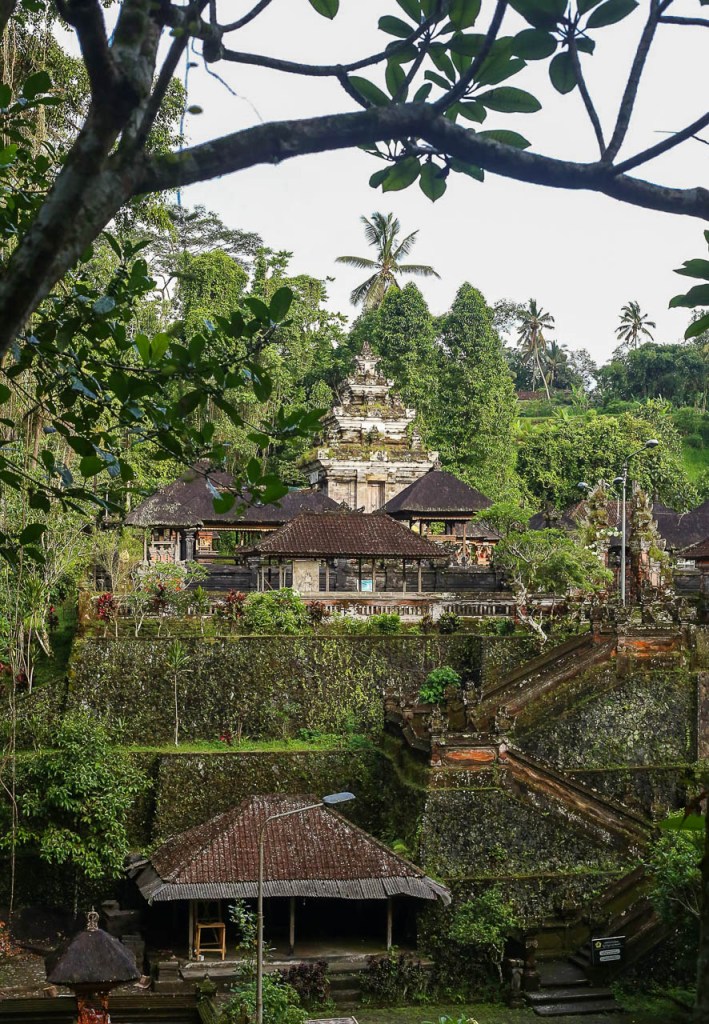
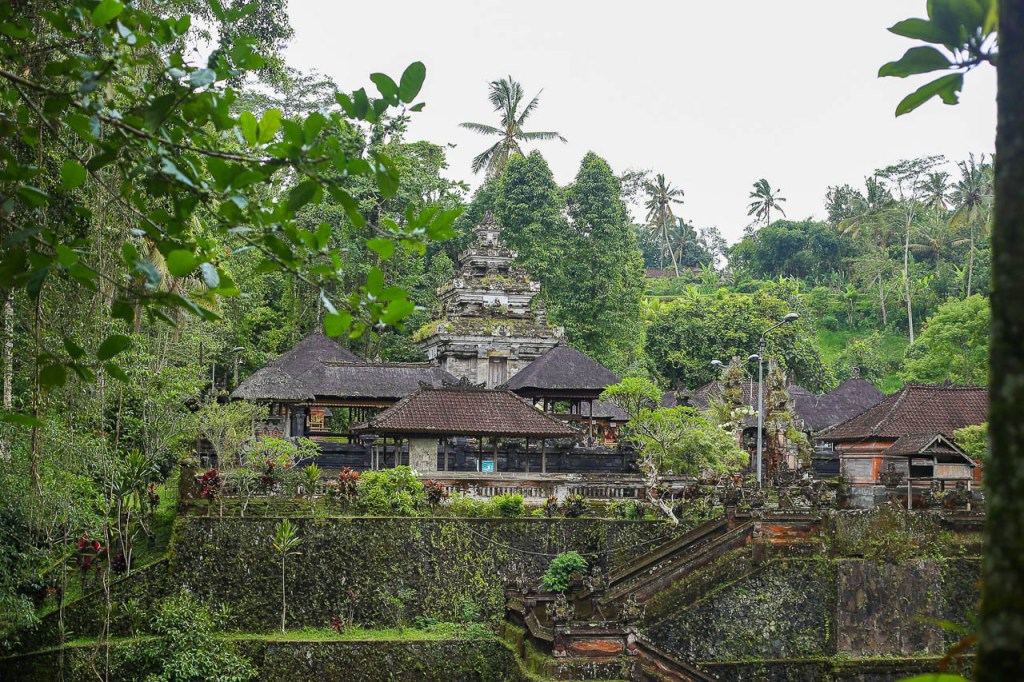
A ten-minute walk or a short drive south of Pura Tirta Empul, nestled beneath the canopy of an impressively huge banyan tree, lies another sacred spring and another water temple. Pura Mengening is built along natural pools and shaded areas that invite visitors to pause and contemplate.
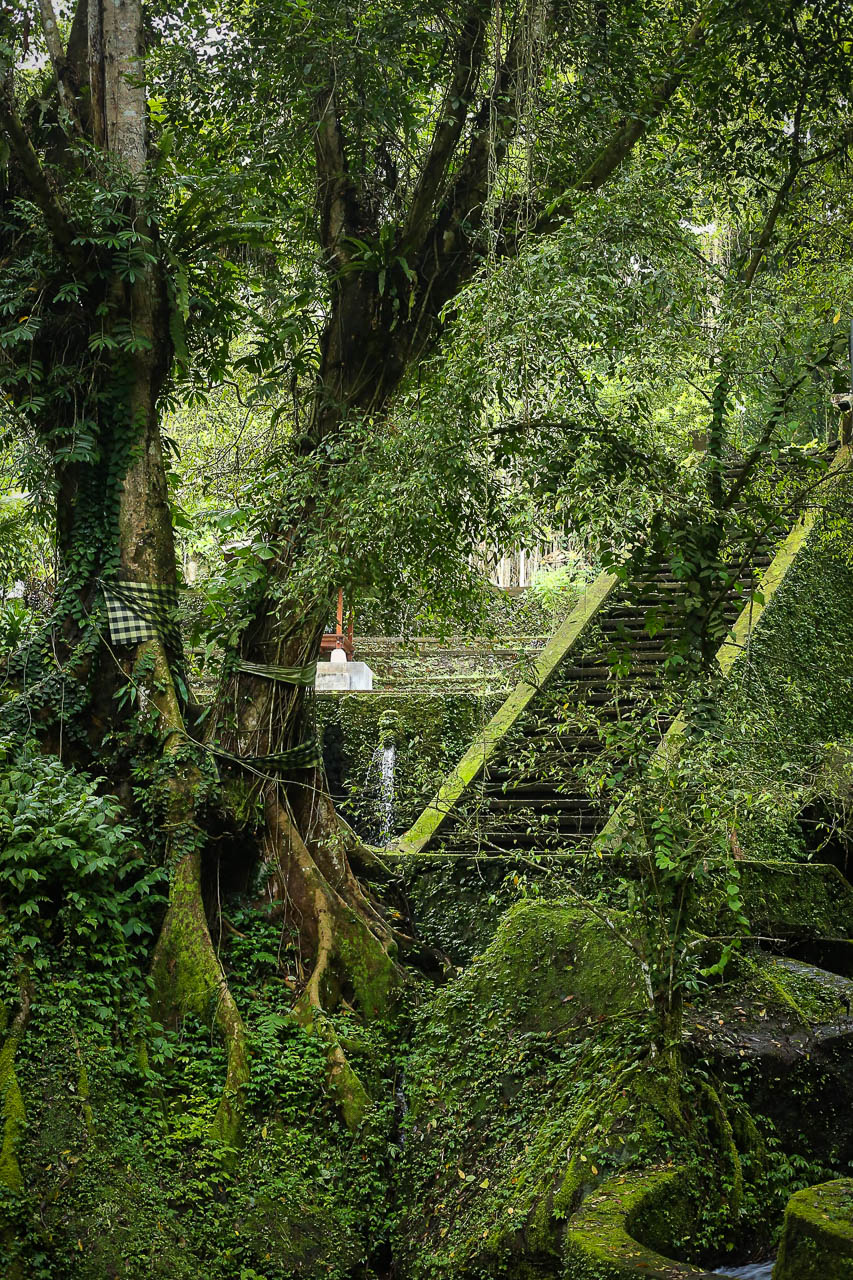
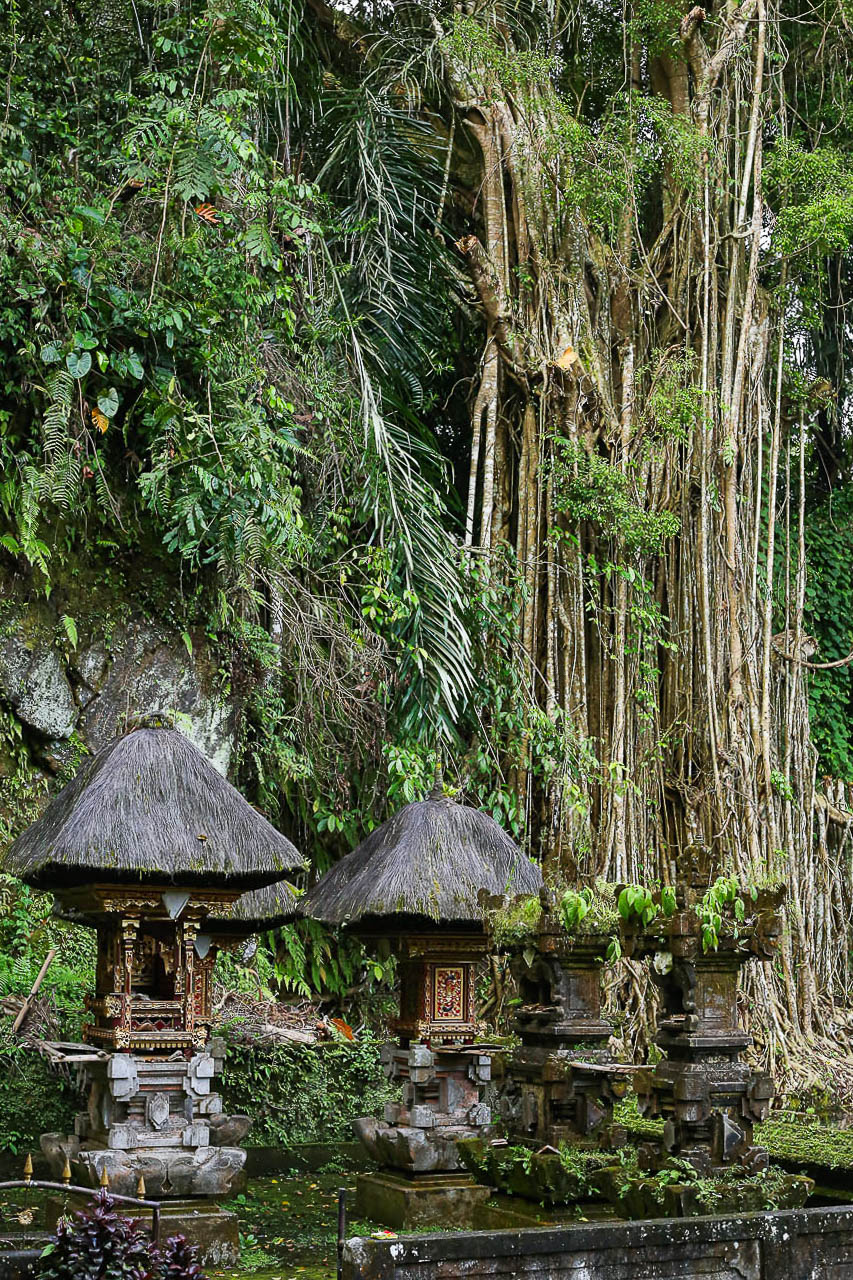
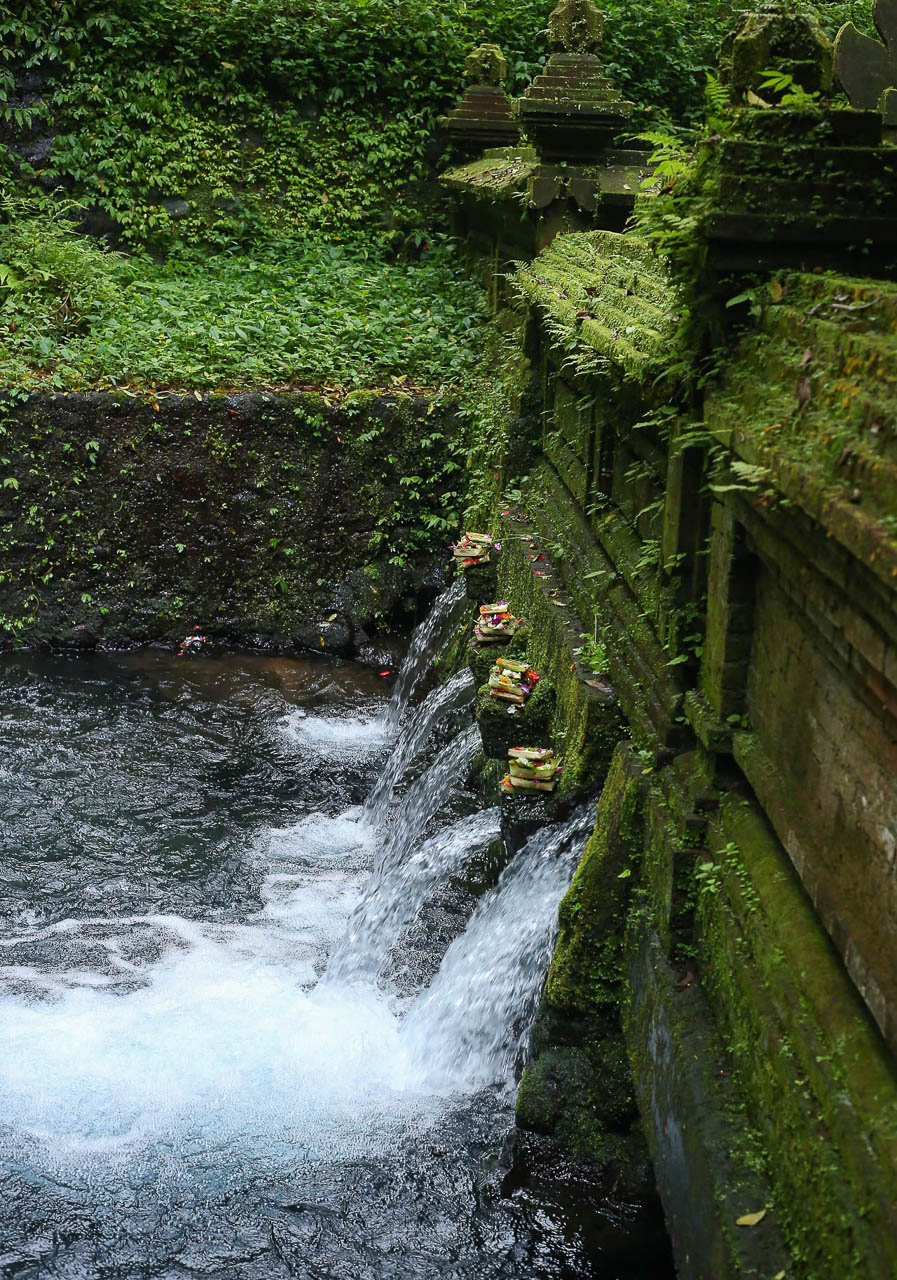
Its landscape is a mosaic of countless shades of green, reflected in the crystal-clear pools, gentle streams, cascading waterfalls, and sacred spouts. Pilgrims from across Bali come here to perform the melukat purification ritual, collect tirtha (holy water) for ceremonies, and even to wash their kris, those wavy bladed swords of spiritual significance of which the Pakerisan river got its name.
The Reign of Water
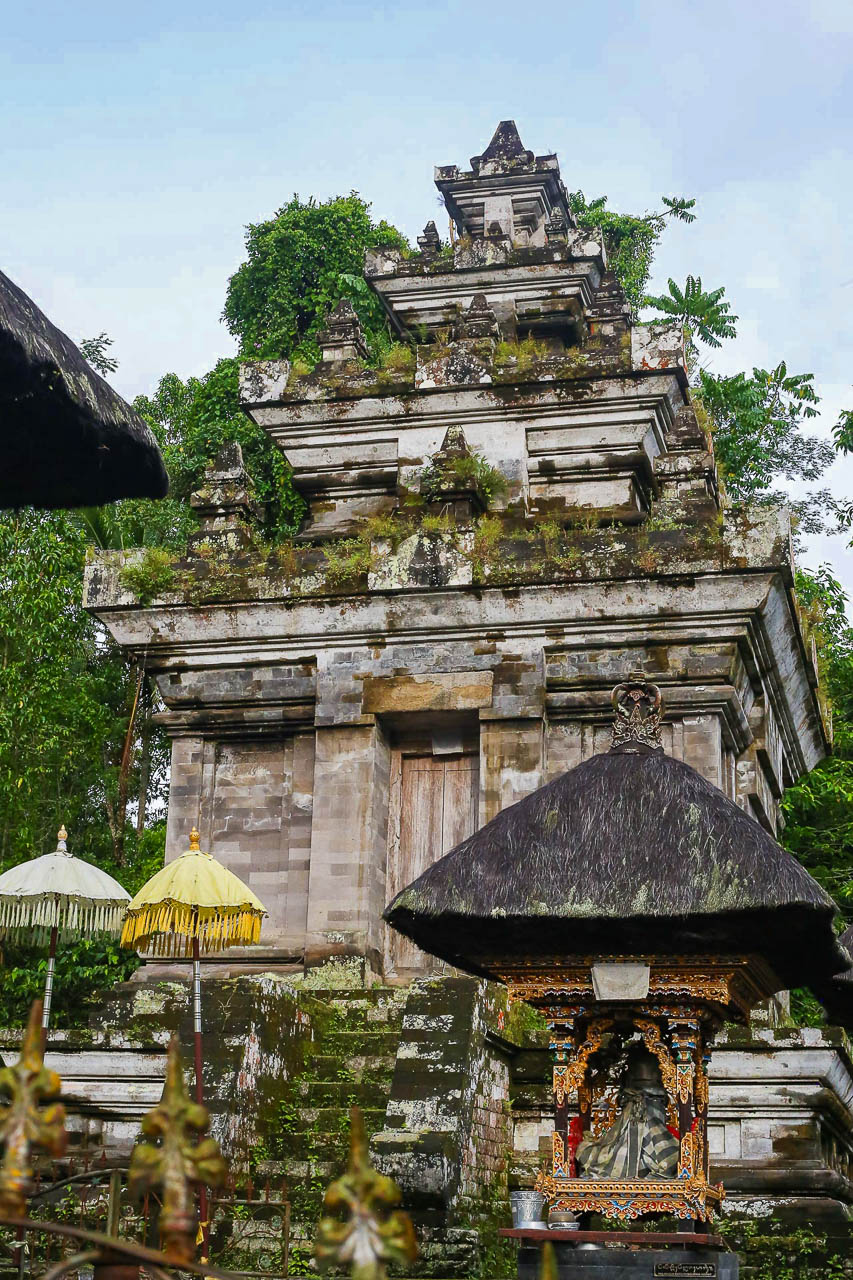
Pura Mengening is divided into two main sections: The Upper Temple (Jeroan) – The inner sanctum, home to stone shrines, moss-covered statues, and carvings depicting Hindu-Balinese mythology. This is where prayers and offerings are made to the gods. In the mid-1980s, the remains of a prasada—a stone temple similar to those from 7ᵗʰ-11ᵗʰ century Central Java—were discovered here. The largest stone building atop the hill, visible from the stairs, is the reconstructed prasada, preserving the temple’s ancient architectural legacy. While its interior is not accessible to the public, it probably contains the original lingga-yoni set found here during excavations. According to the Gianyar Government, the original building might have been a relic of King Marakata from the early 11ᵗʰ century.
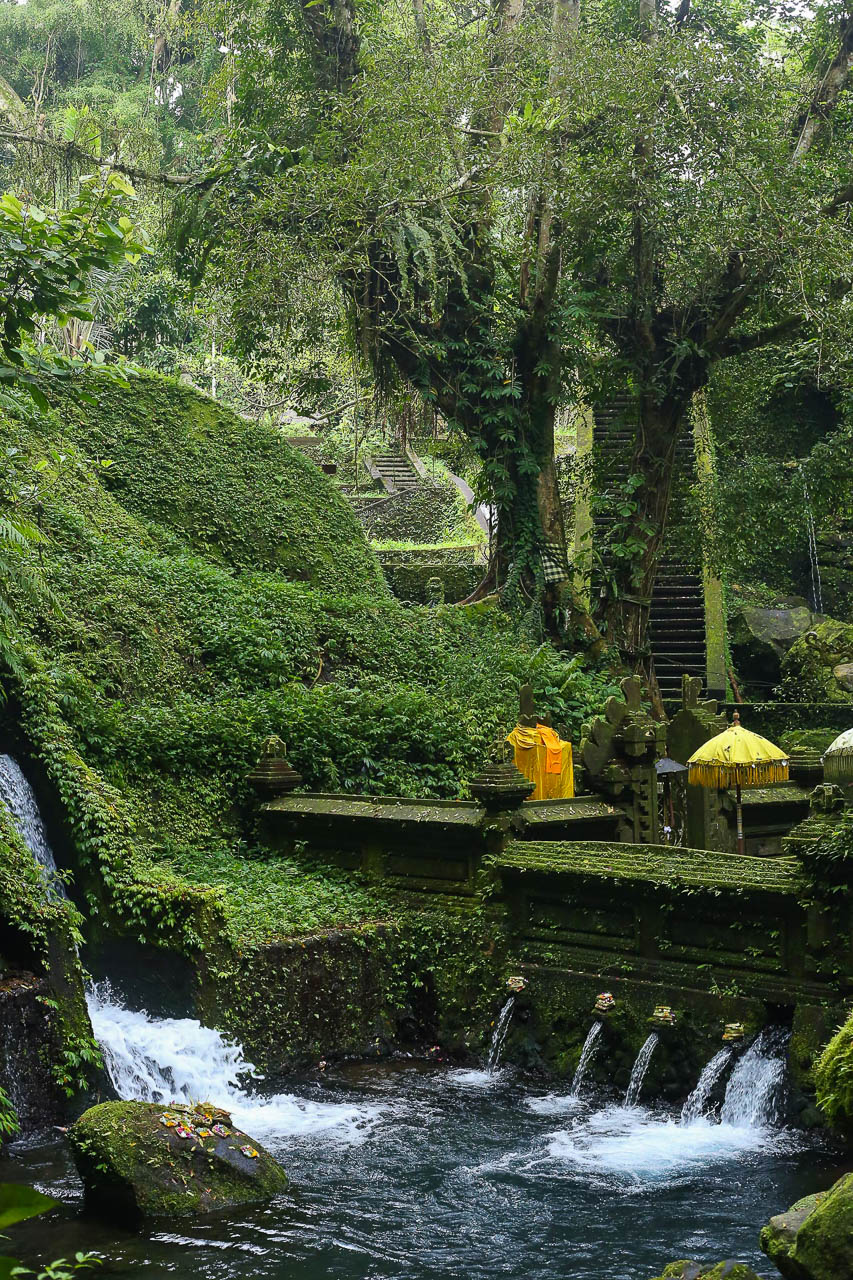
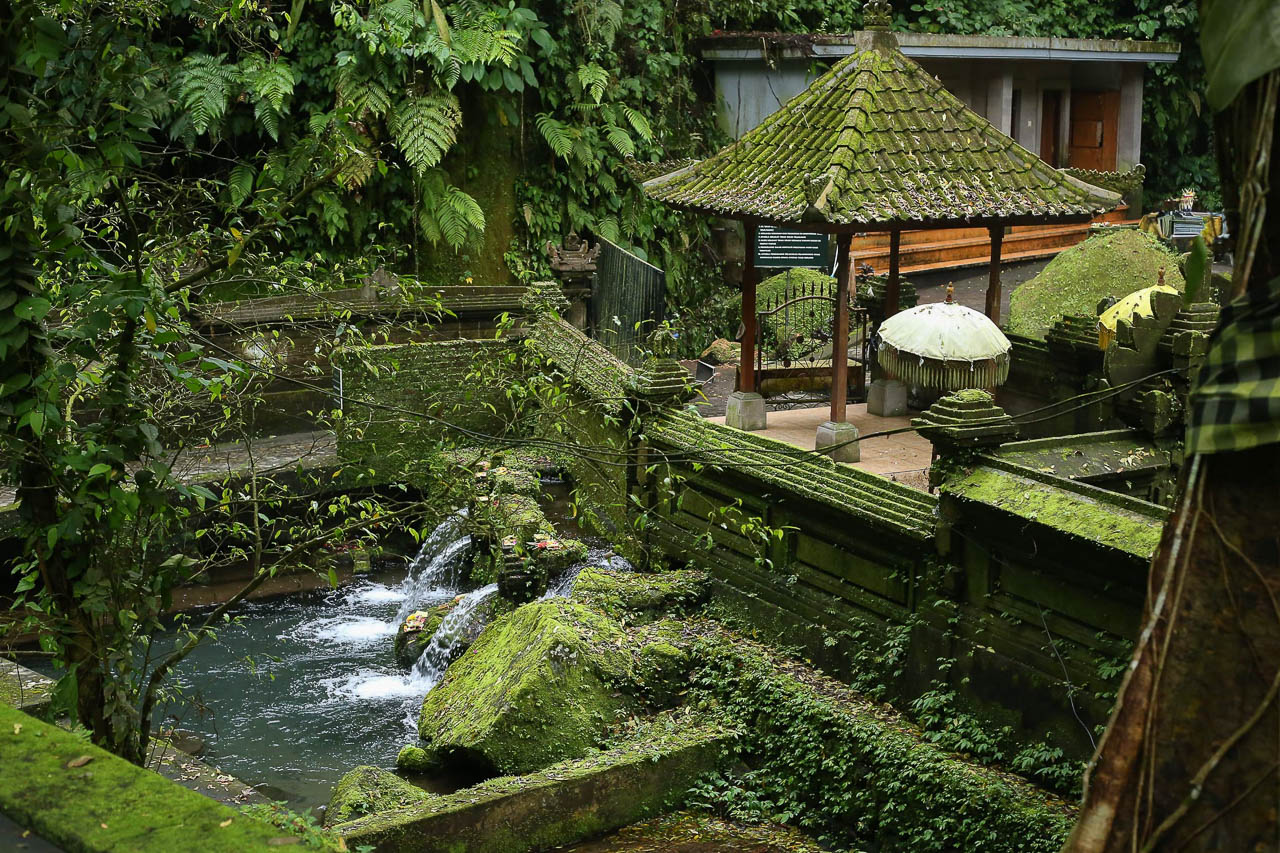
The Lower Temple (Pancoran) – A series of stone pools and fountains fed by natural spring water, used for ritual purification. Unlike Pura Tirta Empul, which often attracts crowds of tourists, Pura Mengening remains a peaceful sanctuary where Balinese locals engage in spiritual practice.
Visiting
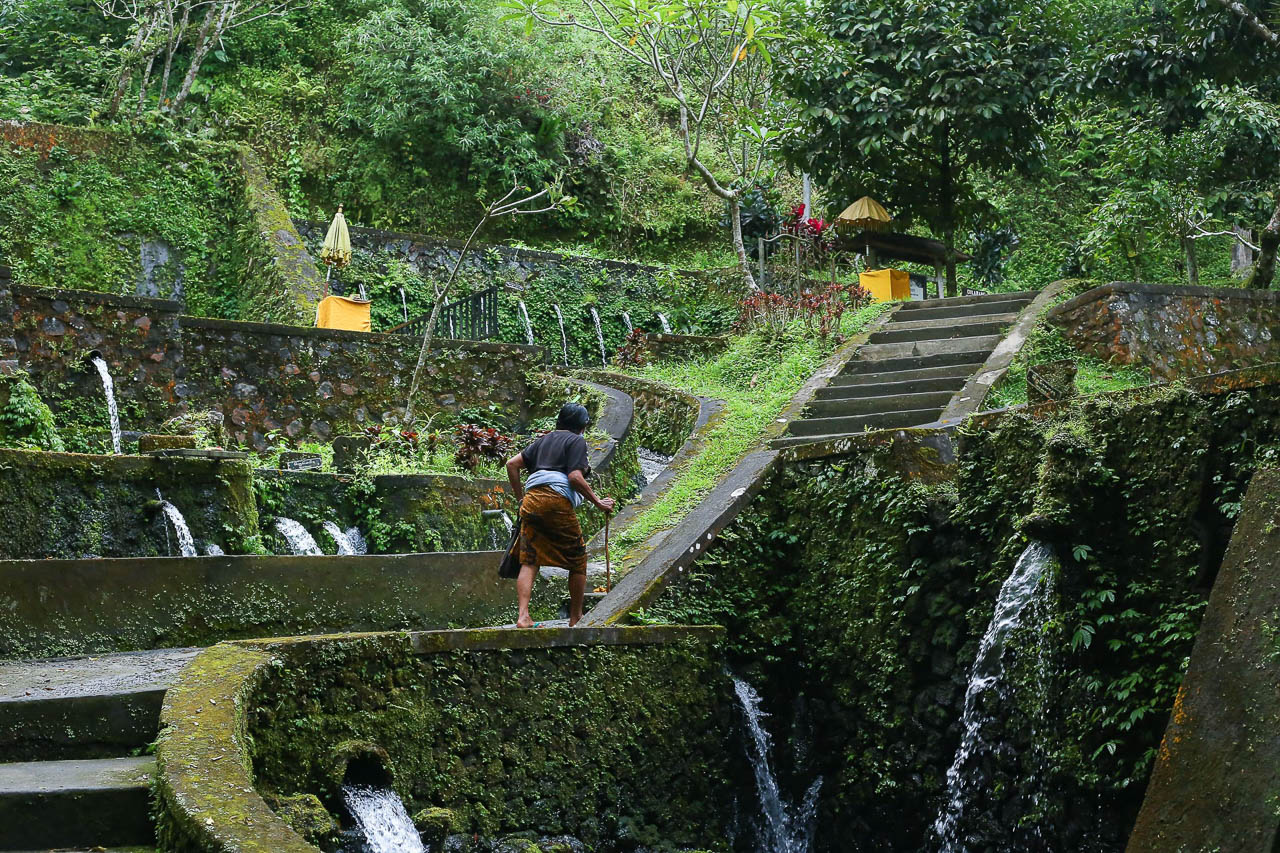
Any time of the day is good for a visit. For entering, wear a sarong and sash to show respect. There are about 150 stairs that lead to the temple. If there is no entrance fee collection upstairs, consider placing a donation in the box at the stairs.
Bibliography
Asian Historical Architecture Pura Mengening https://www.orientalarchitecture.com/sid/1668/indonesia/gianyar-regency-bali/pura-mengening
Davison, Julian, et al. Introduction to Balinese Architecture. Singapore: Periplus, 2003.
Exelby, Narina and Eveleigh, Mark Verborgenes Bali. Berlin: Jonglez Verlag, 2024.
Granquist, Bruce Mapping Bali: Island, Culture, People. Singapore: Talisman, 2023.
Kempers, A. J. Bernet Monumental Bali. Singapore: Periplus Editions, 1991.
Smithsonian Institution, Washington, D.C., National Museum of Asian Art Pura Mengening
https://asia.si.edu/explore-art-culture/collections/collections-areas/southeast-asian/sacred-sites-in-southeast-asia/pura-mengening/
Suantra, I. and Muliarsa, I. Pura Pegulingan Tirtha Empul dan Goa Gajah: peninggalan Purbakala di daerah aliran sungai Pakerisan dan Petanu. Direktorat Jenderal Kebudayaan, 2010.
Wijaya, Made Architecture of Bali. University of Hawai’i Press, 2002.
Nearby Temples
Before or after visiting Pura Mengening, take the time to explore more. The UNESCO-recognized Pura Gunung Kawi stands just a few hundred meters away, in the deep valley of the Pakerisan river. Pura Gunung Kawi Sebatu is all built around water, like the famous Pura Tirta Empul. Also the unexpectedly special Pura Pegulingan lie just within a kilometer. It’s a short drive to the calm forest temple of Pura Gumang.

Previous temple:
Next temple:
Photos and text © 2025 Alida Szabo.
