— A Hindu Temple With a Buddhist Stupa —
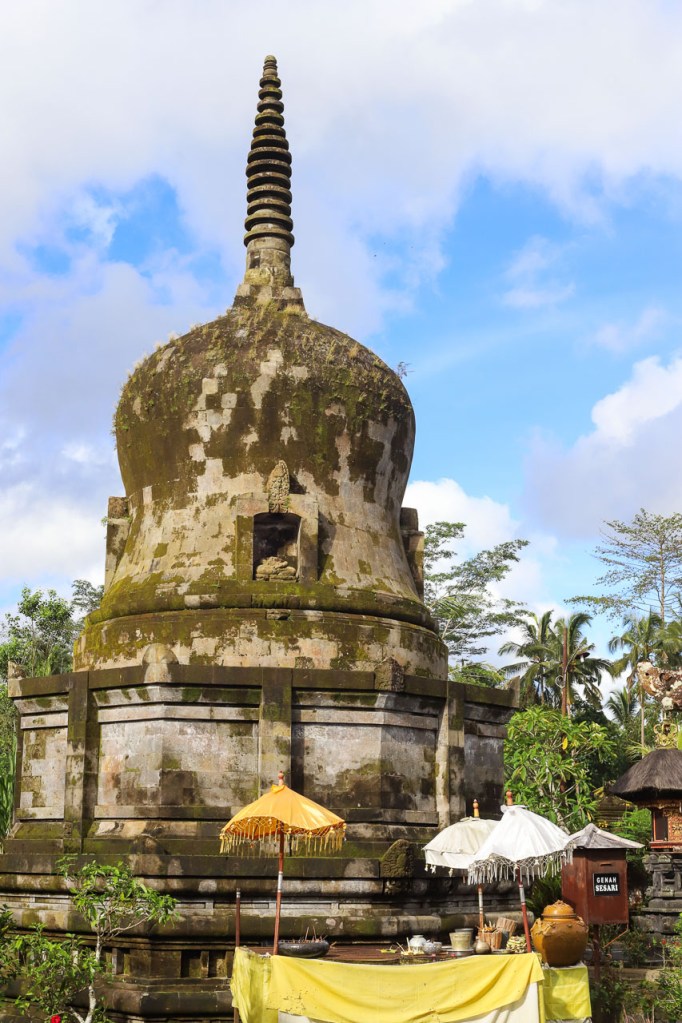
Meaning: The name “Pegulingan” is likely to refer to the round, rolling form (guling) of a stupa , symbolizing the wheel of Dharma and Buddhist principles of cyclical rebirth and enlightenment.
Location: On the western hill above the valley of Pura Tirta Empul.
Map: Manukaya, Tampaksiring, Gianyar, Bali, Indonesia
Dates back to: 10ᵗʰ century
Main buildings: A Buddhist stupa,
Region:Tampaksiring
Requirements for visit: Donation is voluntary. Sarongs can be borrowed from a box at the entrance.
Buddhist temple remains discovered
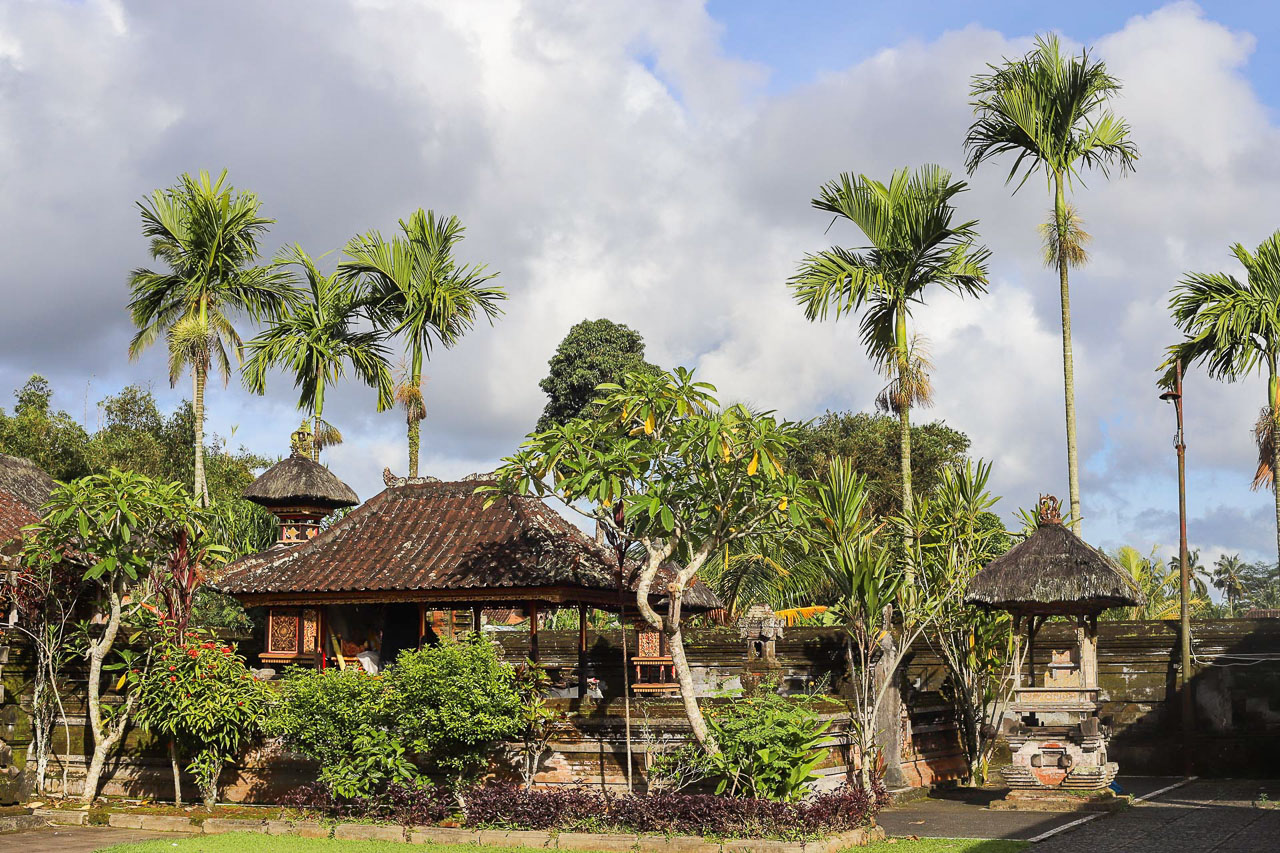
Atop a hill in the middle of rice fields, just a few hundred meters east of the well known Pura Tirta Empul, lies the remarkable Pura Pegulingan. Though smaller in scale, this temple is unique. If you have visited other temples in Bali, you will immediately notice something unusual: this Hindu temple features a Buddhist stupa. Freestanding ancient stupas—dome-shaped structures that serve as Buddhist shrines and often contain sacred relics—are very rare in Indonesia. A few examples include Candi Dawangsari in Central Java and Candi Sumberwatu in East Java, while such monuments are common in Buddhist countries like Thailand, Myanmar, and Laos or Sri Lanka and Nepal.
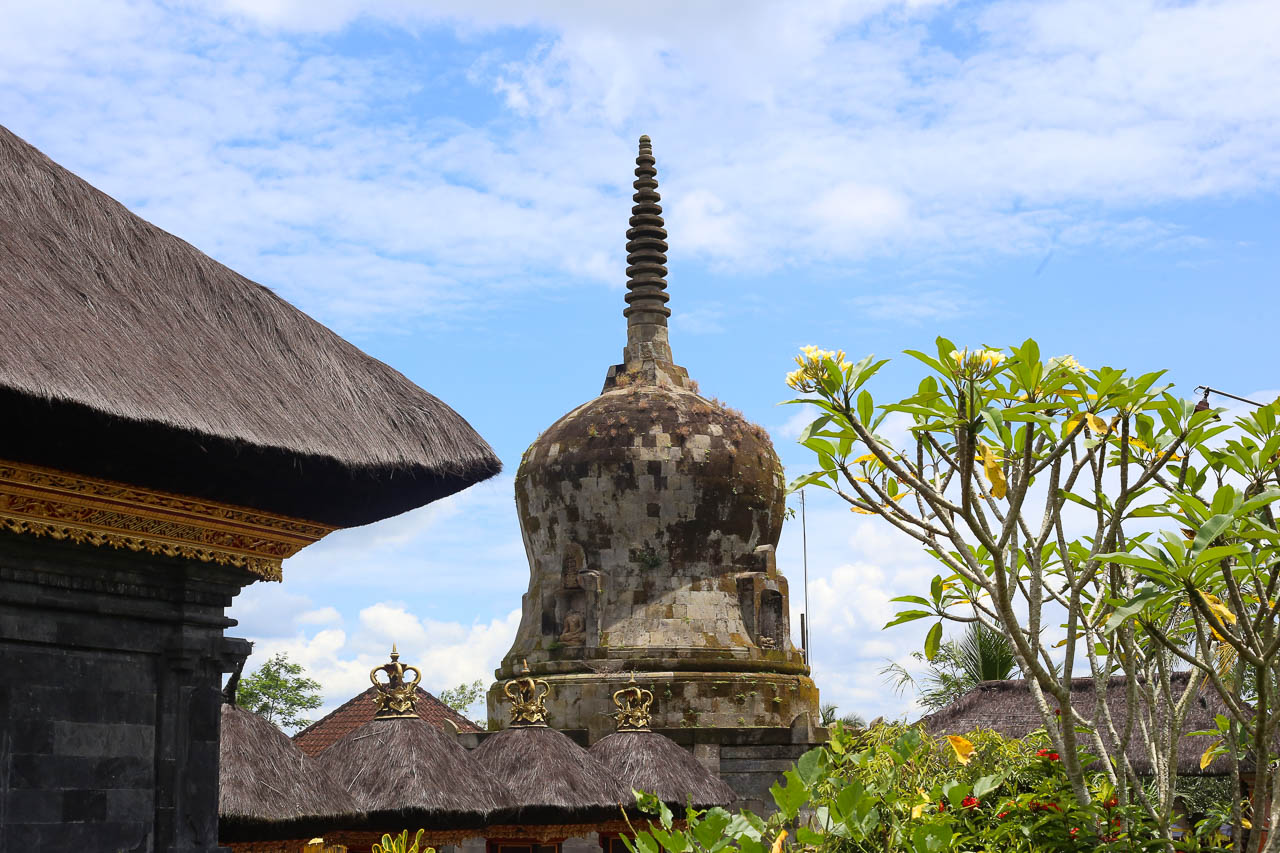
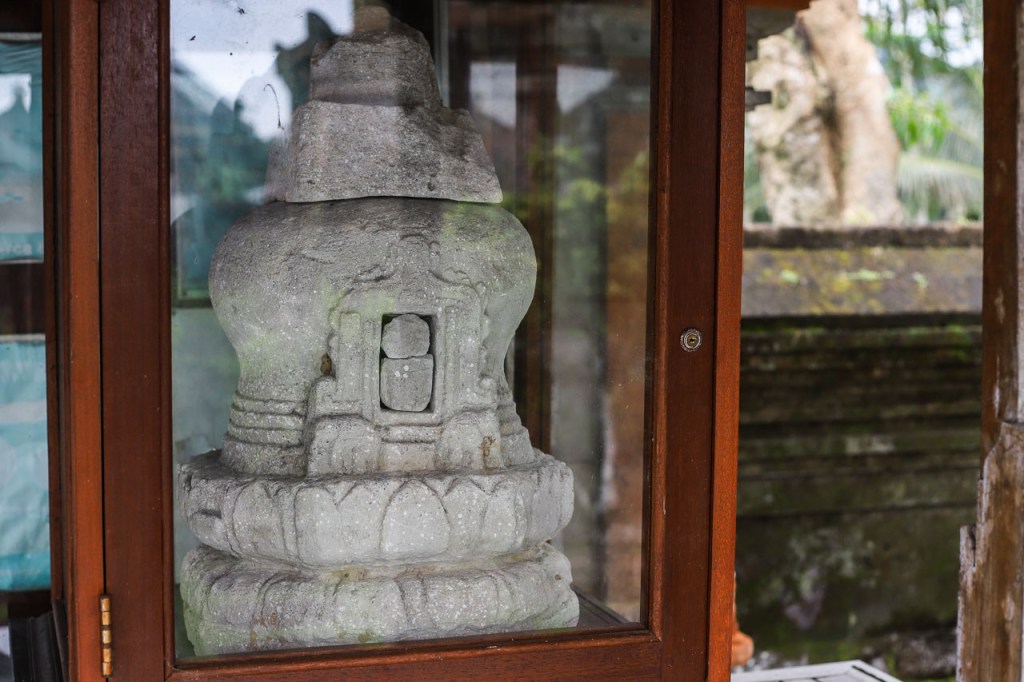
While the present structures are of relatively recent origin, the site itself is of great historical importance. Archaeologists have identified Pura Pegulingan as one of the earliest locations of Buddhist activity on Bali, dating back to the 10th century. During a temple renovation in 1983, the remains of the original stupa were uncovered. At its center stood a small stupa measuring 80 cm in height. Still present at the site today, housed discreetly in one of the Bale Gong storage pavilions, this stupa bears an inscription dating back to the year 976 CE, corresponding to the Balinese Saka year 898. The date is represented symbolically: two elephants (each representing the number eight) flank a gateway (symbolizing the number nine), together forming 898 in the Saka calendar—a pictorial riddle commonly found in Hindu and Buddhist monuments across Java and Bali.
During the excavations a stone peripih box was also discovered among the remains. Within the box rested 62 clay seals, inscribed with Mahayana Buddhist mantras, its sacred words on the Dharma teachings written in Pre-Nāgarī script. There were also thin metal plates, and the fragile remnants of a bronze bowl in the peripih box — offerings once used to sanctify the ground and awaken divine presence around the temple. Scattered nearby were other traces of devotion: a vajra, a bronze object symbolizing spiritual power, incense burners, and fragments of Buddha statues. These objects mark a period when Pura Pegulingan was part of a thriving Buddhist sanctuary, coexisting with the great Hindu-Balinese kingdoms that constructed nearby monuments such as Pura Gunung Kawi.
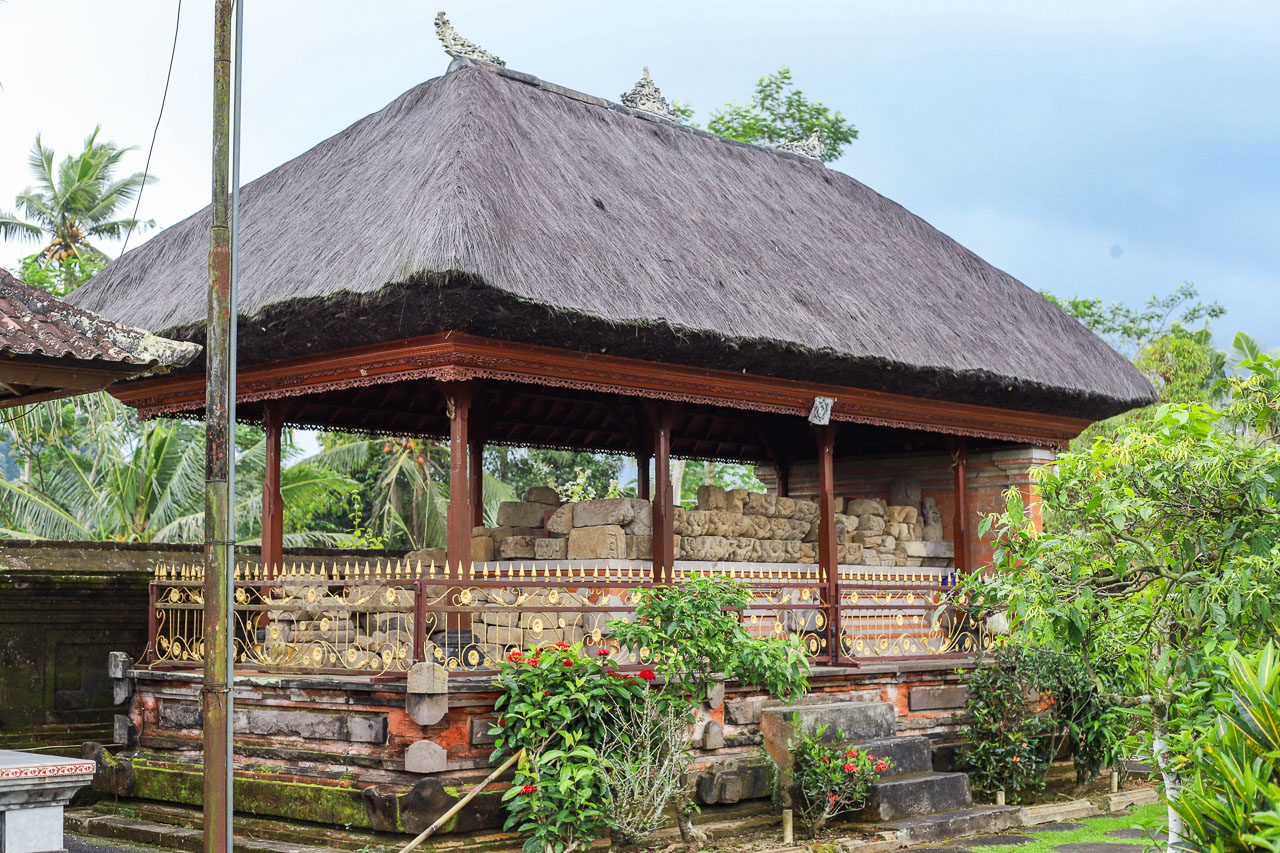
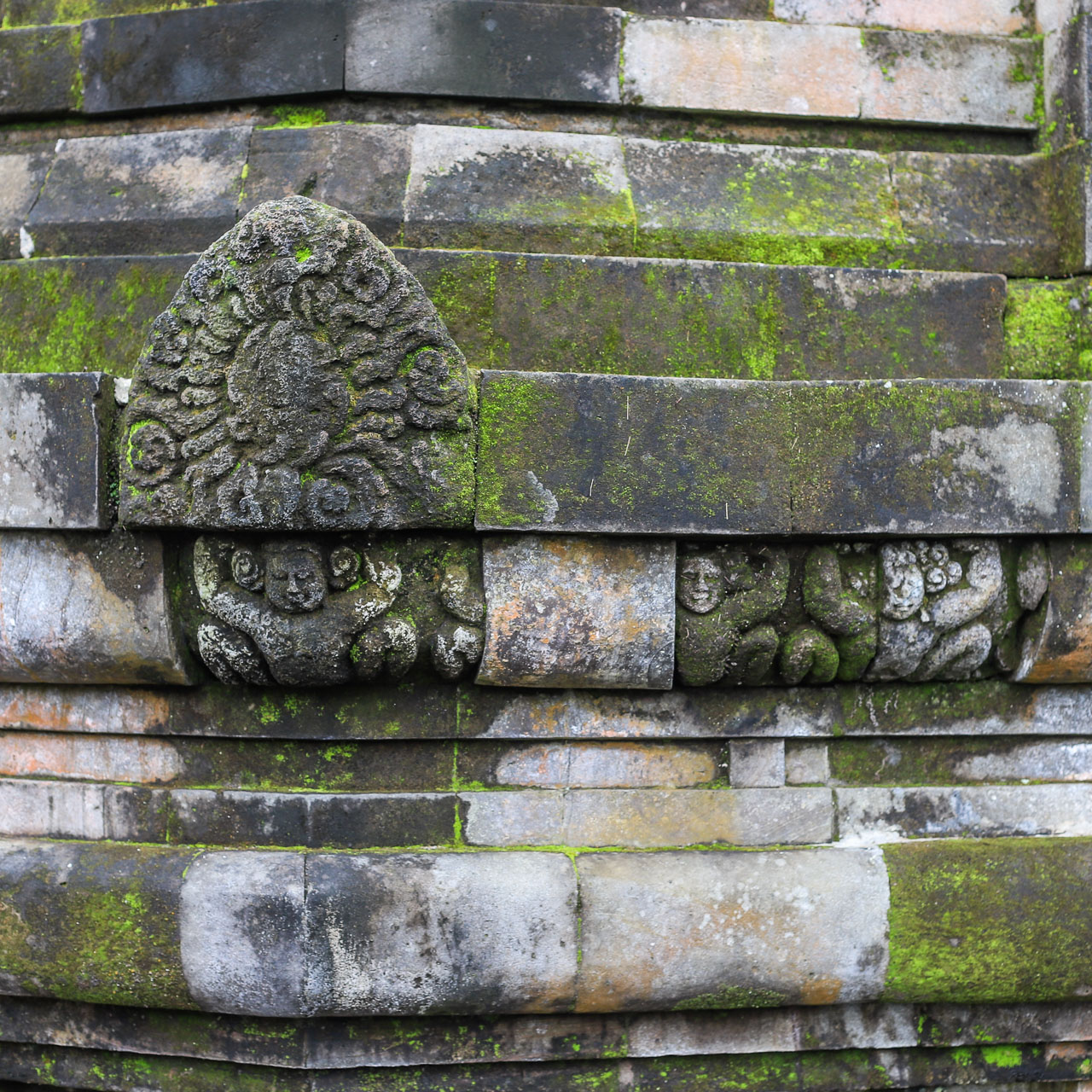
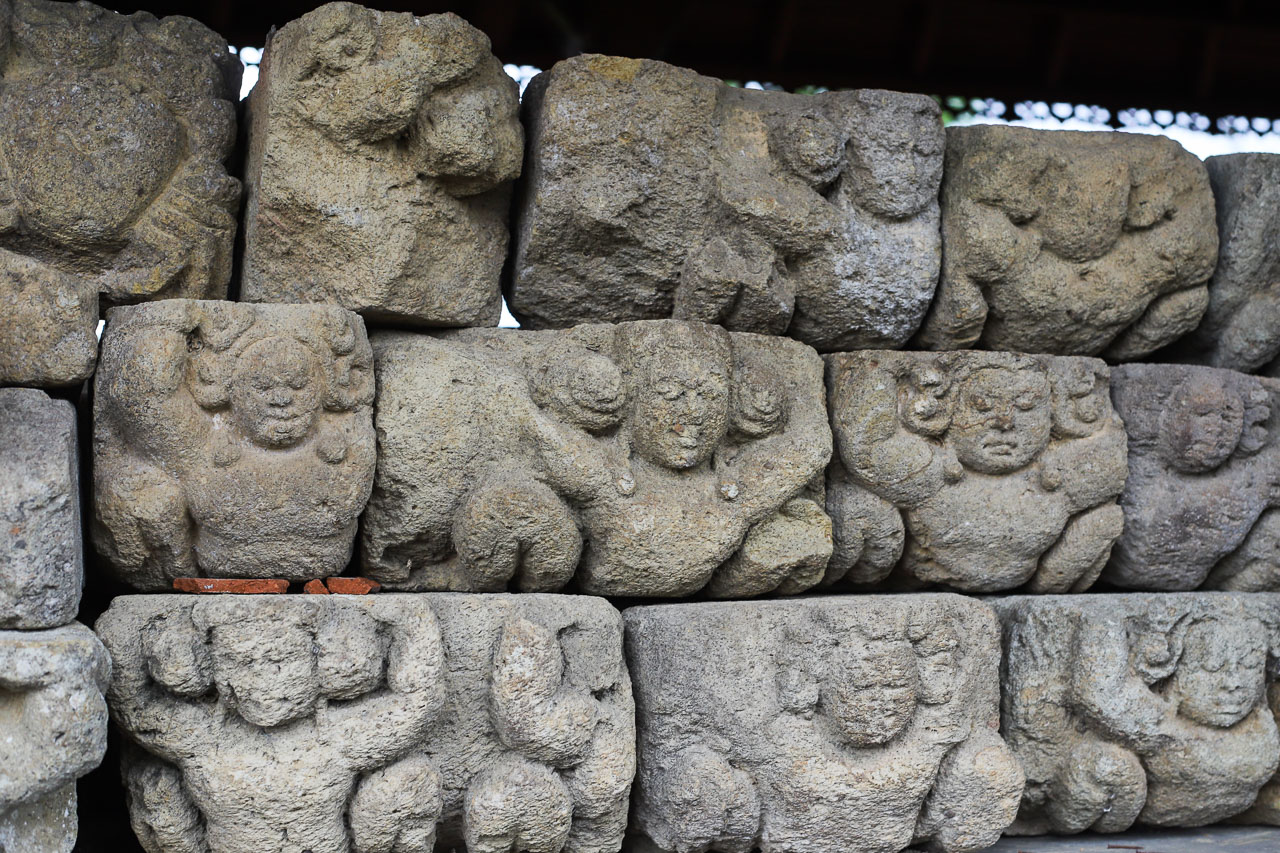
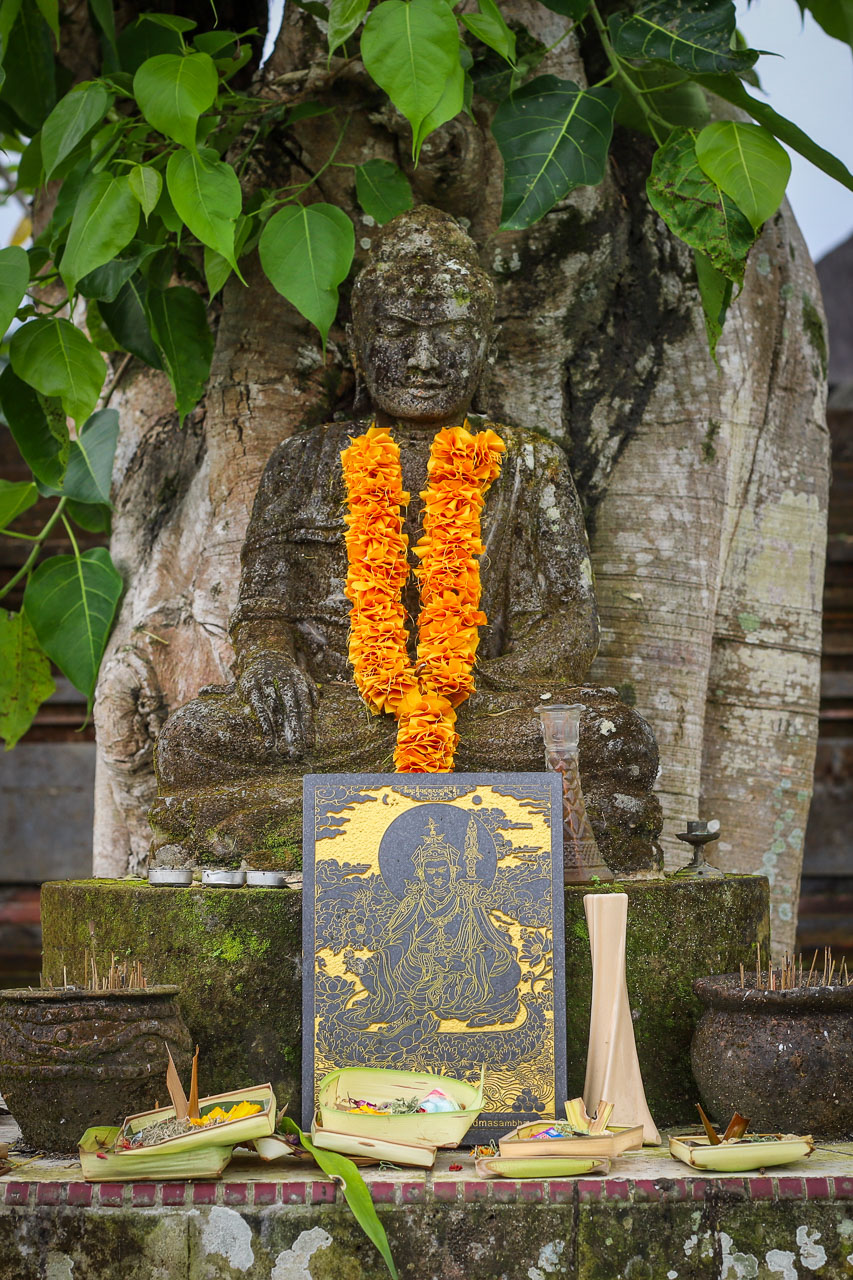
Apart from its reconstructed stupa, Pura Pegulingan consists of several dozen other structures arranged in three courtyards, or mandalas. spotted with frangipani trees. The Nista Mandala (outer), Madya Mandala (middle), and Utama Mandala (inner). This tripartite layout can be interpreted in several ways. From a Buddhist perspective, it reflects the “three realms” — the Desire Realm (kama-loka), the Form Realm (rupa-loka), and the Formless Realm (arupya-loka). In Hindu philosophy, it echoes the Tri Kaya Parisuda, the teaching that emphasizes pure thought, speech, and action. More pragmatically, the design follows the conventional Balinese temple layout, where one moves from less to more sacred spaces toward the inner sanctuary.
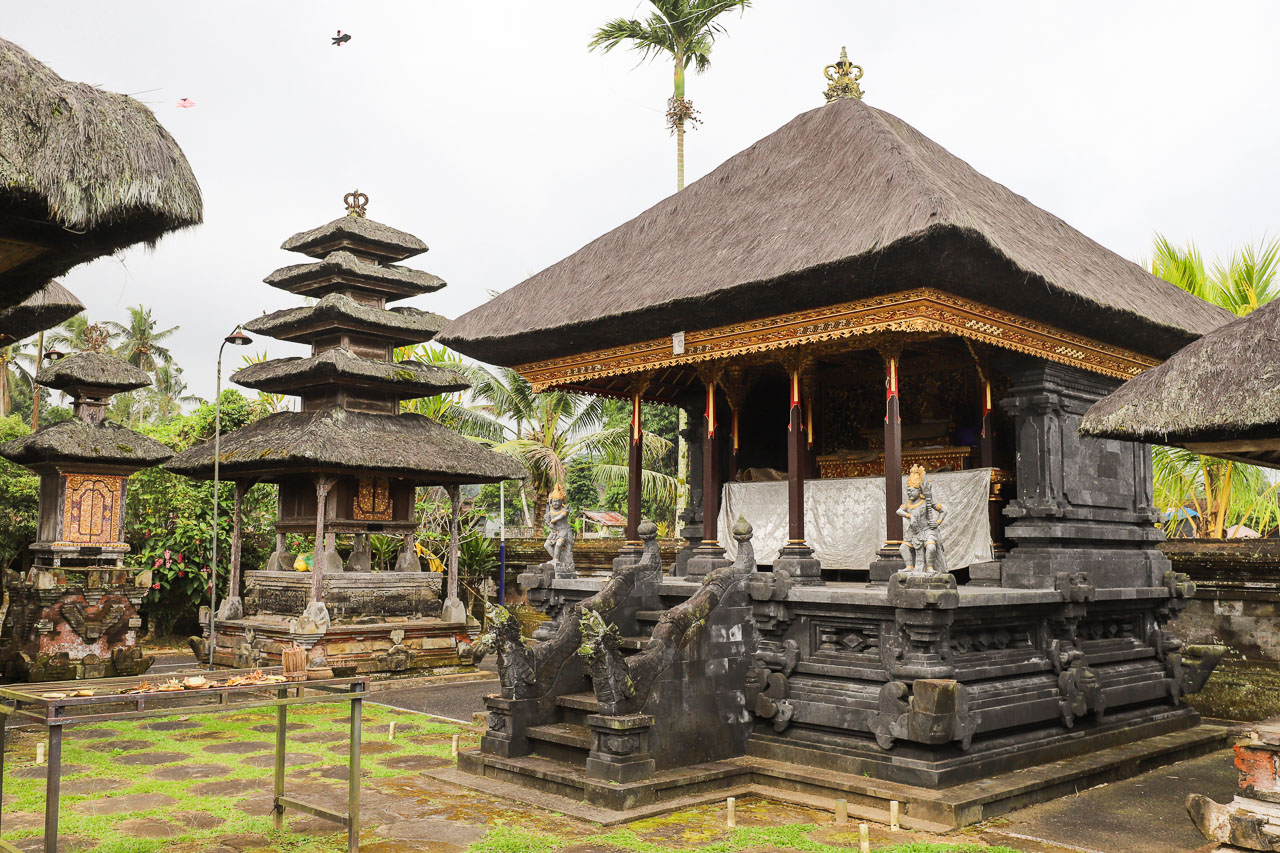
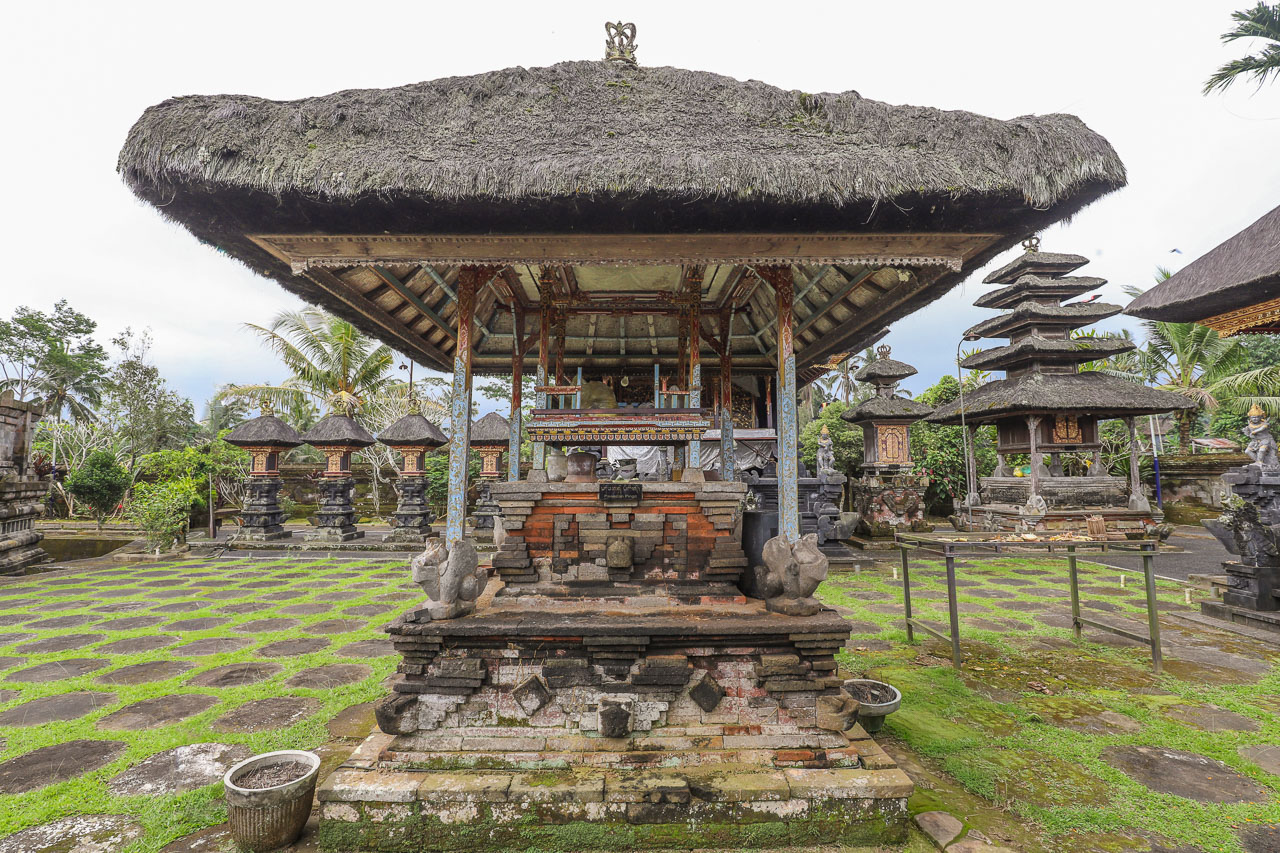
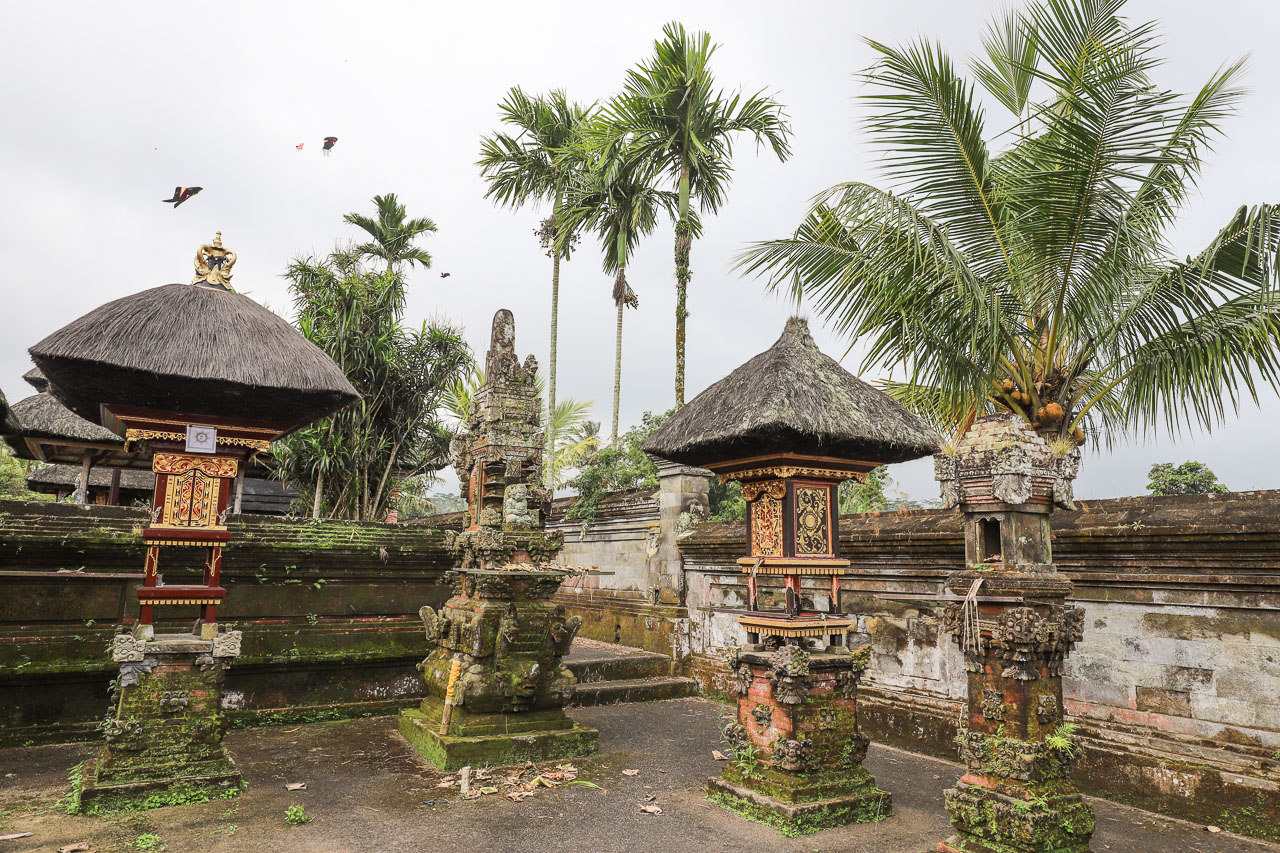
Visiting
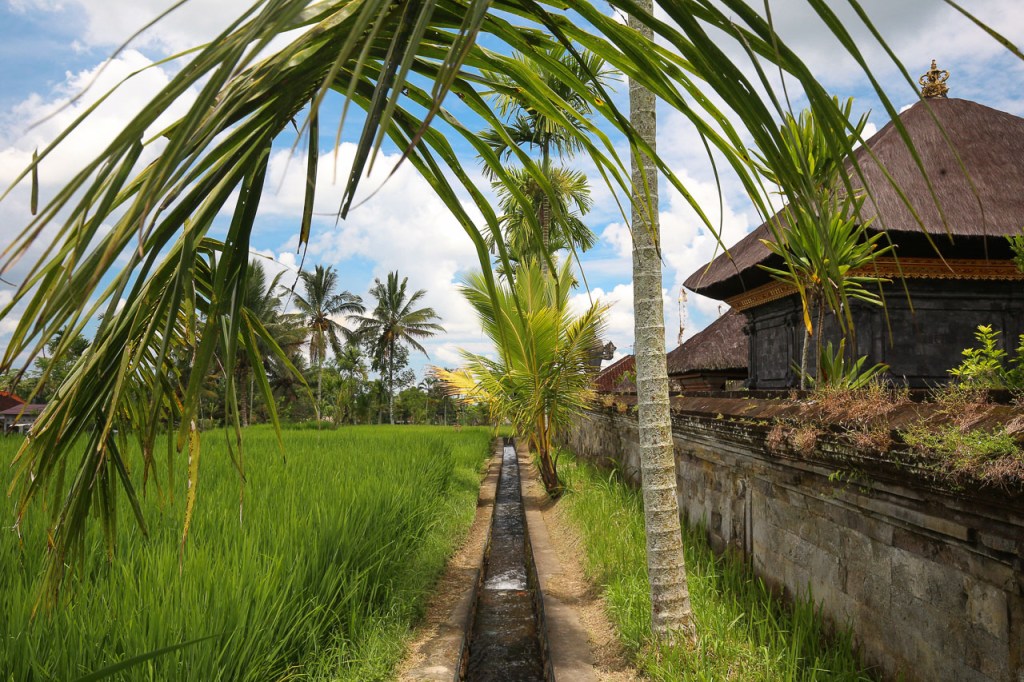

Visiting this less-known temple doesn’t require much of your time and gives you an insight to the webbed history of Buddhism and Hinduism in ancient Java and Bali. From Pura Tirta Empul, a path of roughly 200 steps climbs westward to Pura Pegulingan, or it can be reached by a short drive.
A small donation placed in the box at the entrance is a polite way to visit. Sarongs are available to borrow free of charge at the entrance. Women during their period or anyone in mourning are traditionally asked not to enter the sacred area, like in all temples in Bali, but the temple can still be appreciated from the paths around its outer walls.


Bibliography
Asian Historical Architecture Pura Pegulingan https://www.orientalarchitecture.com/sid/1679/indonesia/gianyar-regency-bali/pura-pegulingan
Kempers, A. J. Bernet Monumental Bali. Singapore: Periplus Editions, 1991.
Linggih, I Nyoman. “Siwa-Budha di Pura Pegulingan.” Forum Arkeologi (Pp. 89-102) 28/2, Agustus 2015.
Haer, Debbie Guthrie, Morillot, Julliet and Toh, Irene Bali, a Traveller’s Companion. Singapore: Didier Millet, 2007.
Saitya, I. B. Subrahmaniam et al. “Pelinggih Pajenengan as a Manifestation of Śiwa‑Buddha Syncretism in the Pegulingan Temple, Gianyar, Bali.” Jurnal Penelitian Agama Hindu, vol. 7, no. 4, 2023. DOI: 10.37329/jpah.v7i4.2211.
Suantra, I. and Muliarsa, I. Pura Pegulingan Tirtha Empul dan Goa Gajah: peninggalan Purbakala di daerah aliran sungai Pakerisan dan Petanu. Direktorat Jenderal Kebudayaan, 2010.

Nearby Temples
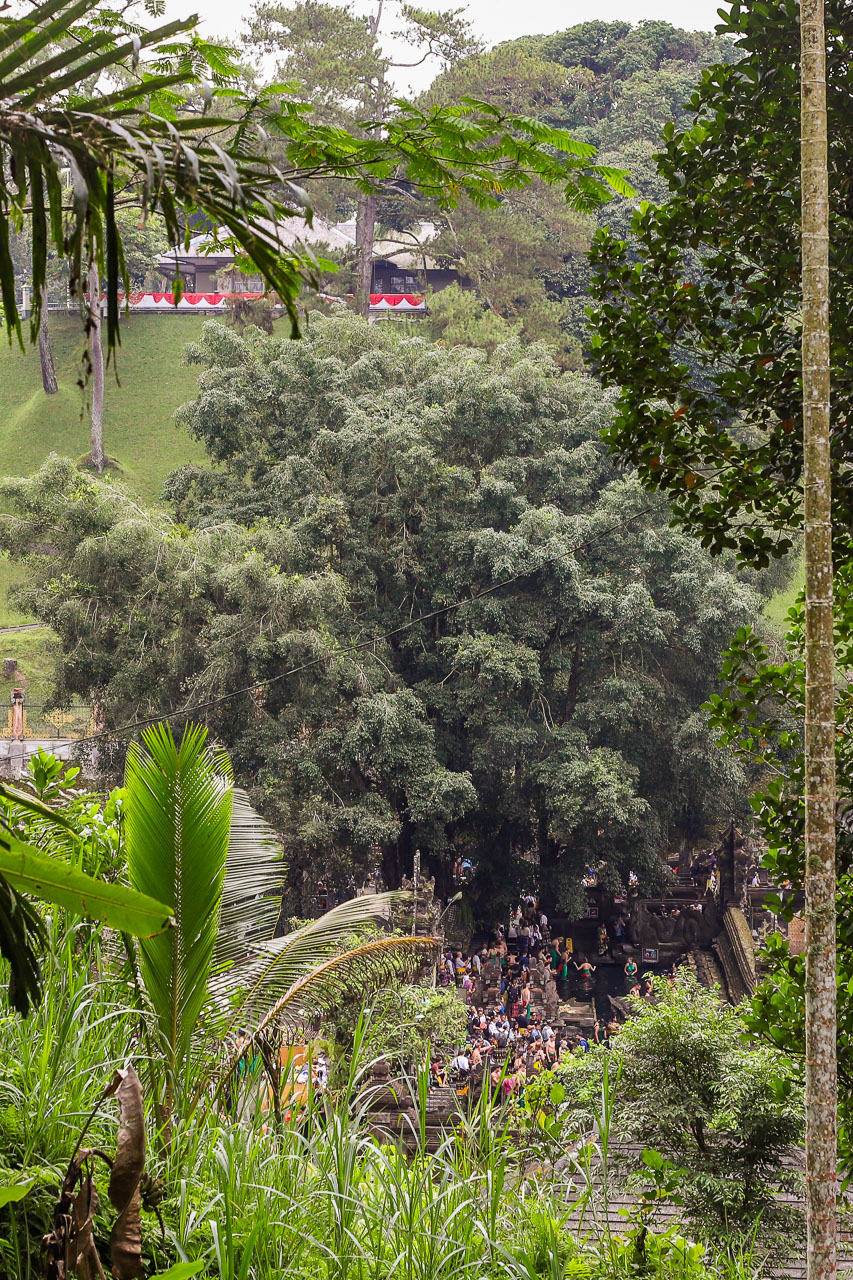
Pura Tirta Empul can be reached by a short walk, descending about 200 steps to the west, or by a brief drive. The tranquil water temple Pura Mengening lies roughly one kilometer to the south along the Pakerisan River. The impressive rock-cut shrine and UNESCO World Cultural Heritage site of Pura Gunung Kawi is about two kilometers further south, while a few kilometers to the west, the bathing temple Pura Gunung Kawi Sebatu awaits.
Previous temple:
Next temple:
Photos and text © 2025 Alida Szabo.
