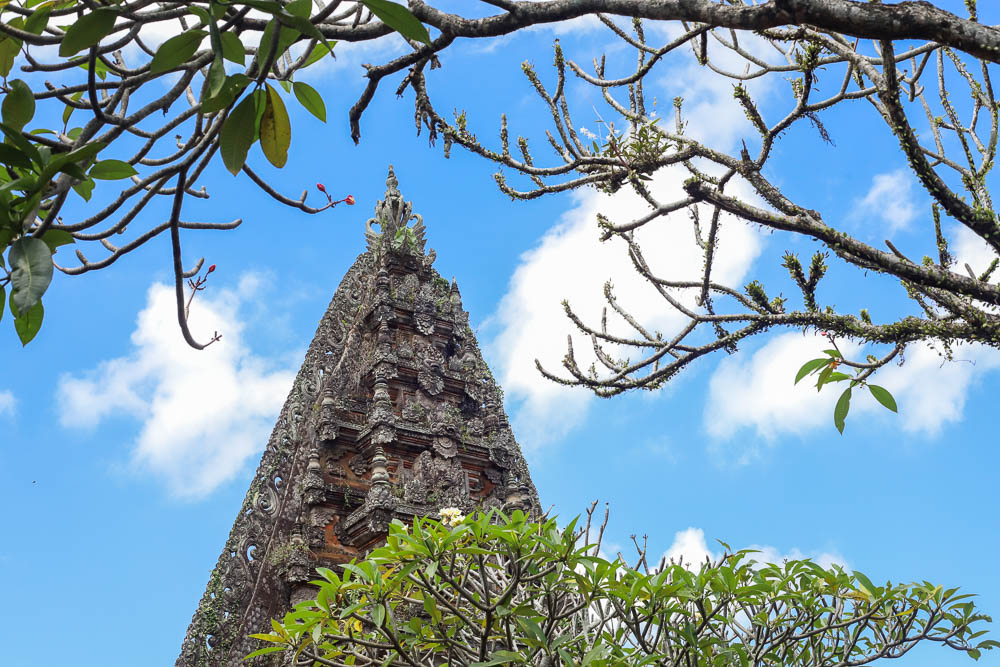
— Blossoming Trees at Dang Hyang Nirartha’s Residence —
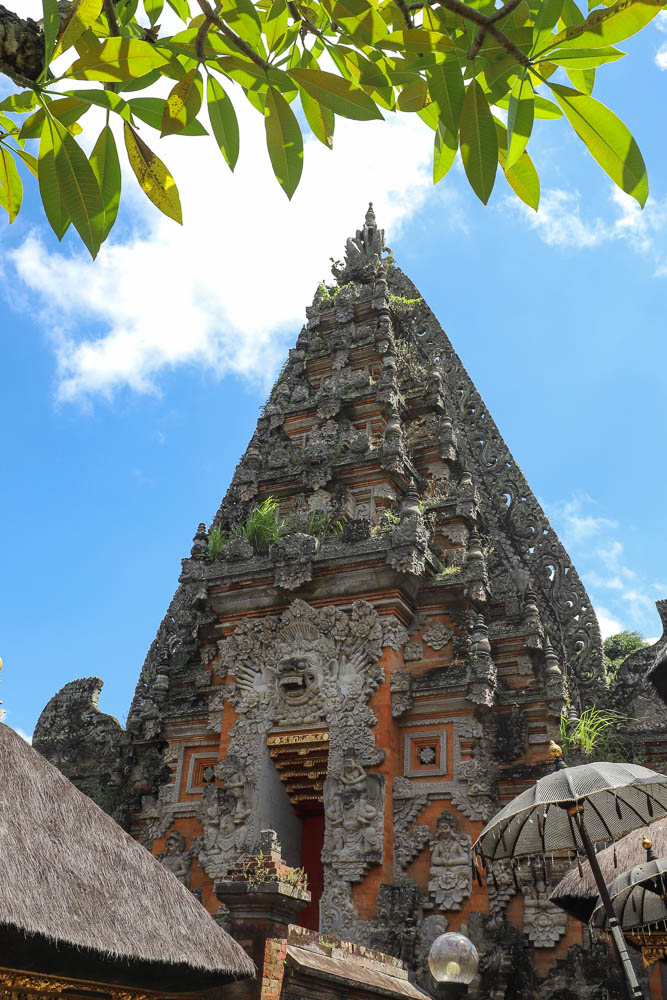
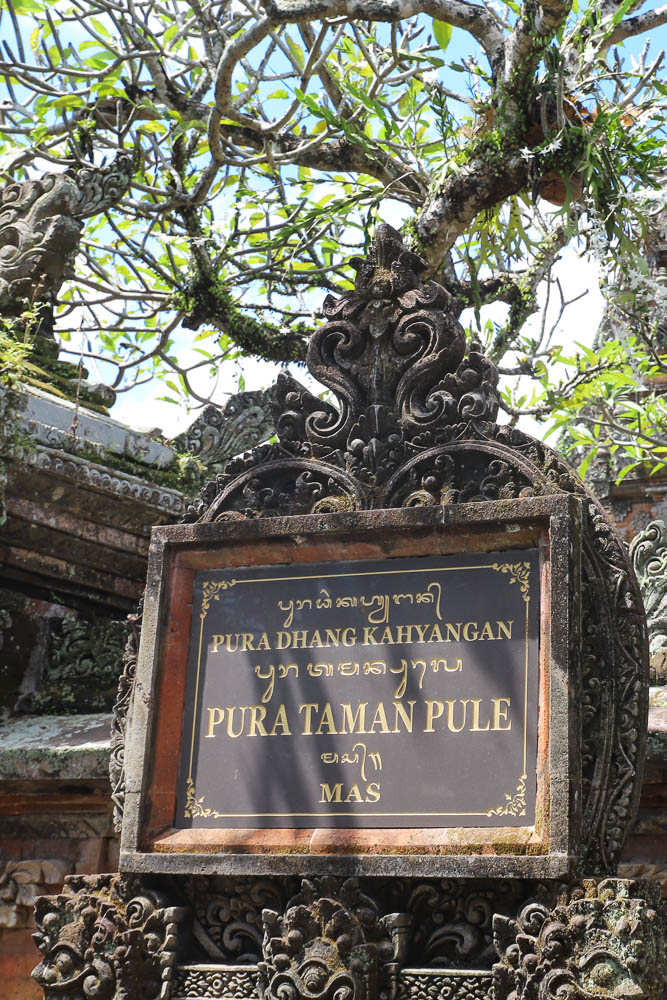
Meaning: ”Taman Pule” means “pule garden”, derived from the presence of legendary pulai (pule) trees in the temple grounds.
Temple type: Dang Kahyangan (‘founded by a great priest’)
Location: In Mas village, southeast of Ubud
Map: Mas, Ubud, Gianyar, Bali, Indonesia
Dates back to: 16ᵗʰ century
Region: Around Ubud
Requirements for visit: Bring your own sarong. While entry is generally free, it is recommended to seek the priest’s approval.
Accessibility: Mostly easily accessible, with level ground throughout. The parking area is right at the entrance.
Dang Hyang Nirartha’s place
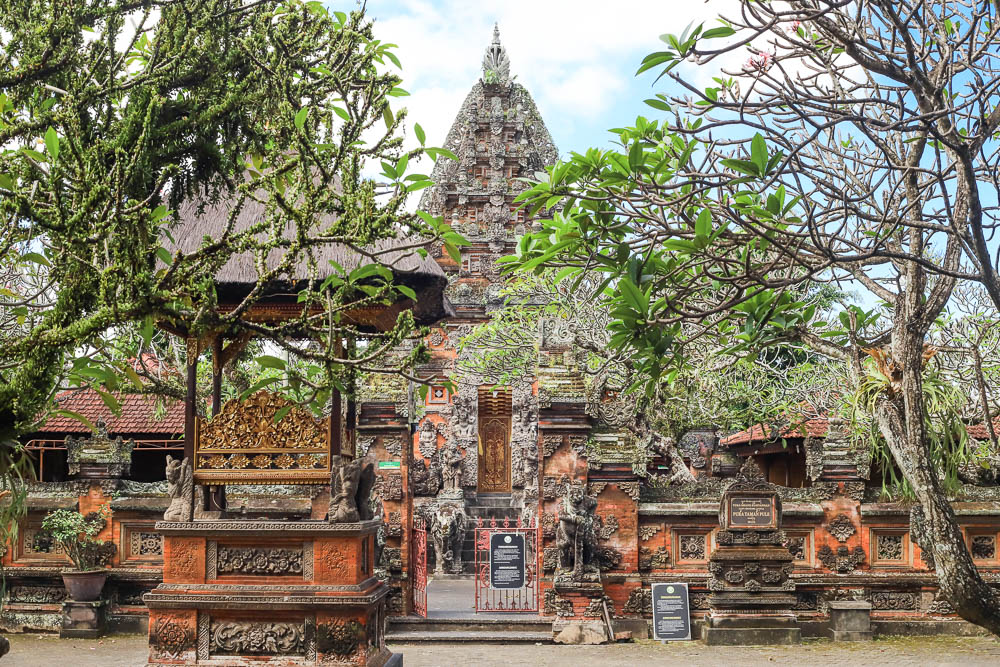
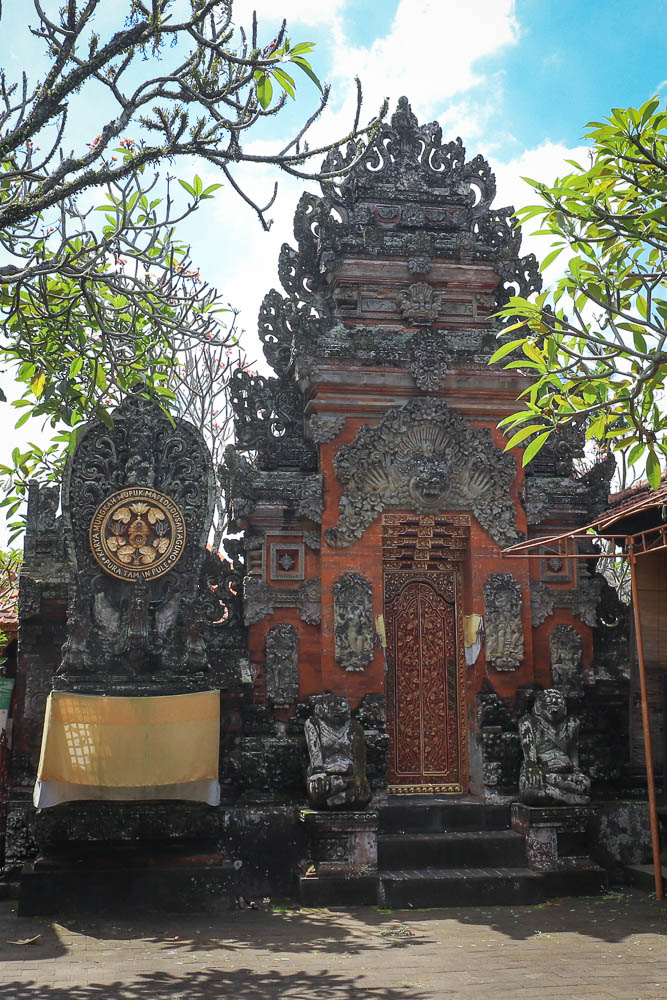
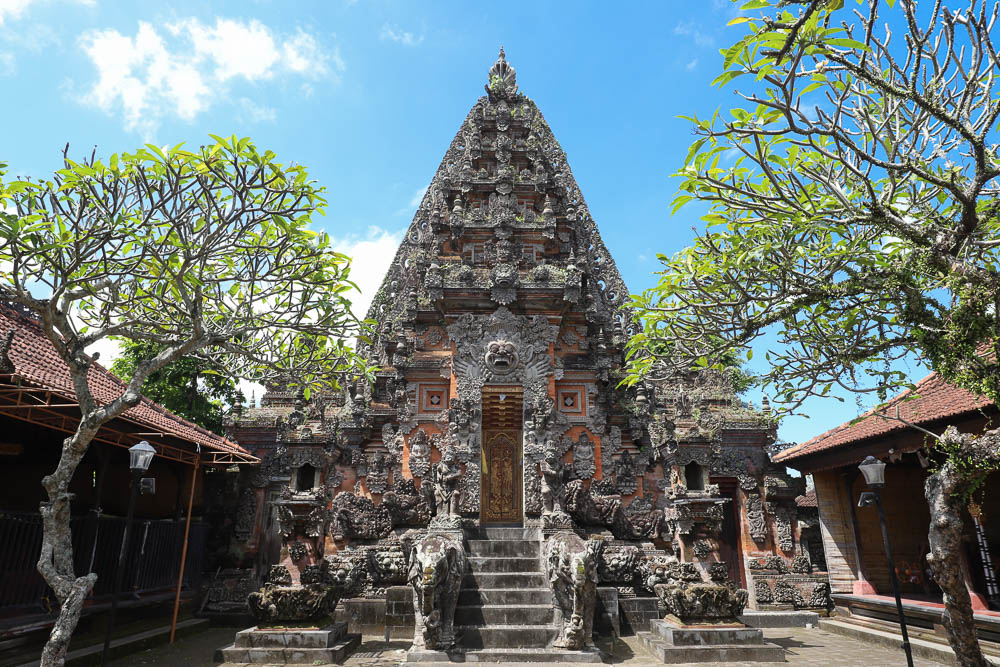
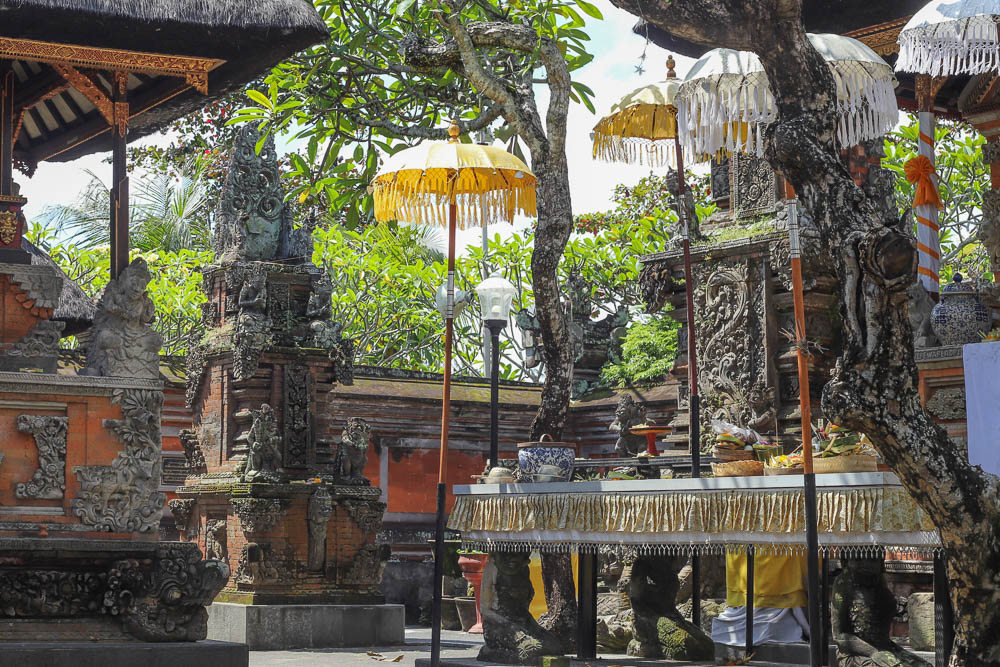
The village’s most important temple stands behind a playing field near the main road in the center of Mas. It is believed to occupy the site of Dang Hyang Nirartha’s original griya—his residence and hermitage. According to local tradition, some of the sage’s relics are still kept within its shrines, well hidden.
Most Brahmana families in Bali trace their ancestry to Dang Hyang Nirartha—also known as Dang Hyang Dwijendra or Pedanda Shakti Wawu Rauh (‘newly arrived high priest’)—the single most influential Hindu priest of the 16ᵗʰ century in Bali. A Shaivite priest arriving from Majapahit Java, Nirartha, played a central role in reshaping Balinese Hinduism into the form practiced today, including formalizing the priesthood and the establishment of the caste system on the island. He is also credited with introducing the padmasana, the empty throne shrine now found in nearly all Balinese temples.
Nirartha served as royal priest to the Gelgel Kingdom under King Waturenggong. He was also a celebrated poet whose works—including the kakawin (long narrative poem) “Hyang Nirartha”—remain highly respected. He is associated with the founding of major temples such as Pura Tanah Lot, Pura Petitenget, and Pura Luhur Uluwatu, where he is believed to have attained moksa.
Ceremonies
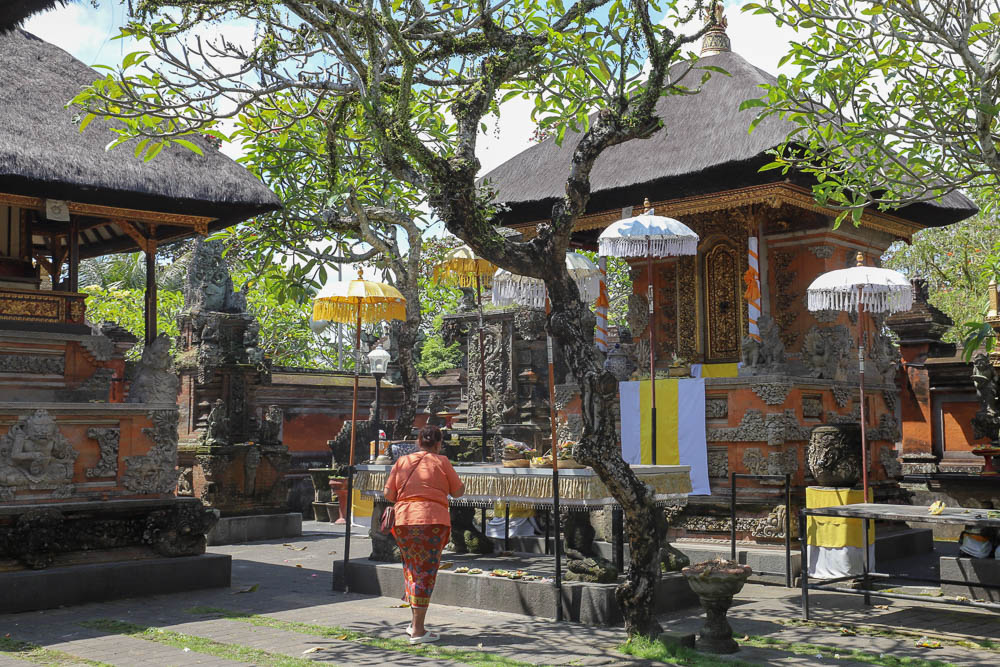
Pura Taman Pule holds its five-day odalan every 210 days, usually coinciding with Kuningan, one of Bali’s major sacred days. During the festival, the temple becomes a vibrant pilgrimage site, especially for members of the Pasek Bendesa Mas clan and Brahmanas from across the island. Traditional performances—such as wayang kulit (shadow puppet theatre), wayang wong (masked dance performance), and gamelan music alongside both—animate the temple grounds. Along the village streets, women move in long lines, balancing offerings on their heads, as descendants of the sage come from across Bali to honor their lineage and the enduring legacy of this revered spiritual figure.
Legend
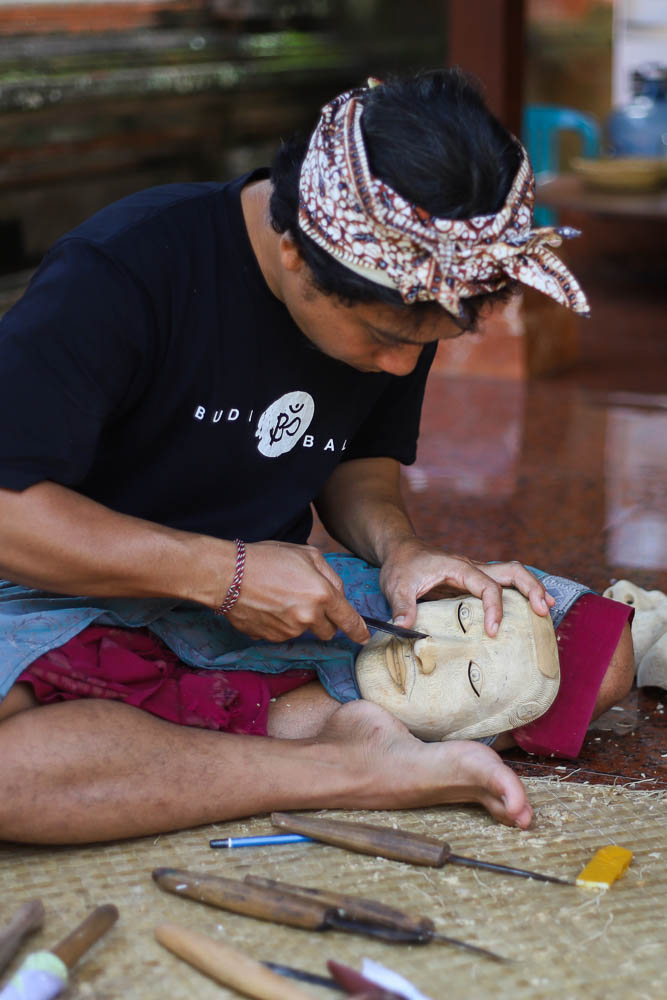
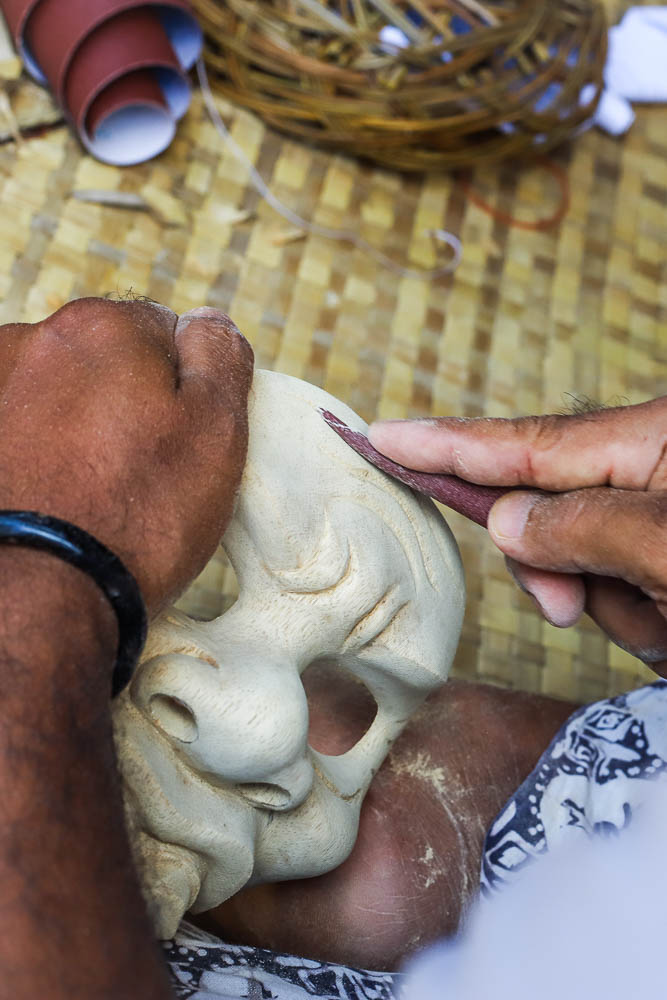
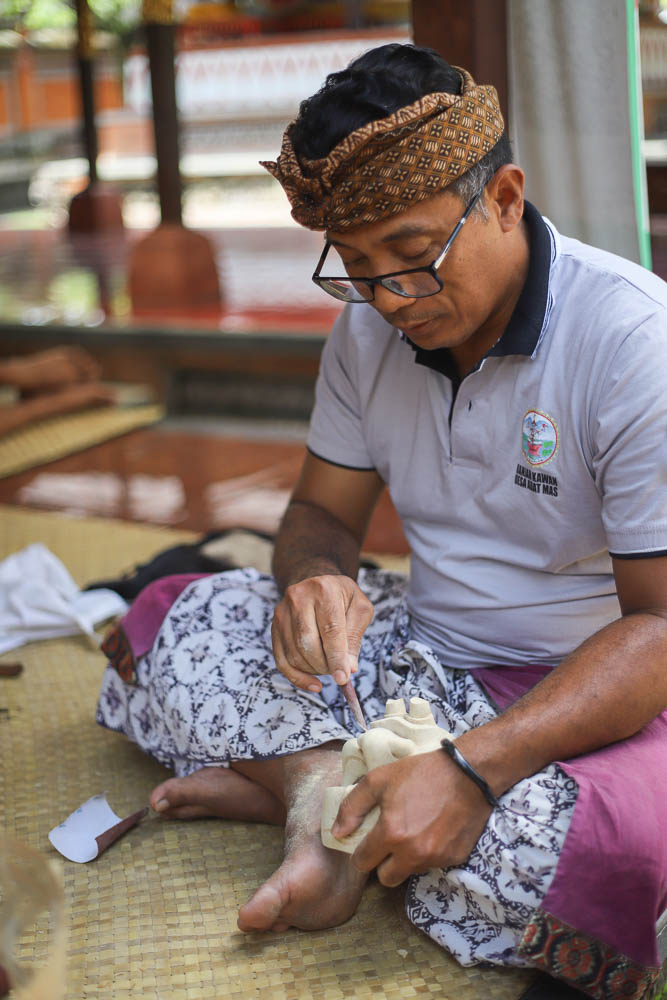
Another form of the legend of origin says that Dang Hyang Nirartha once planted a wooden stick in the ground and a miracle happened: the stick grew into a living tree with golden flowers, from which the village of Mas got its name, as it was founded by this act. He also predicted that all his descendants will live from wood – the village of Mas has been famous for woodcarving until today.
Visiting
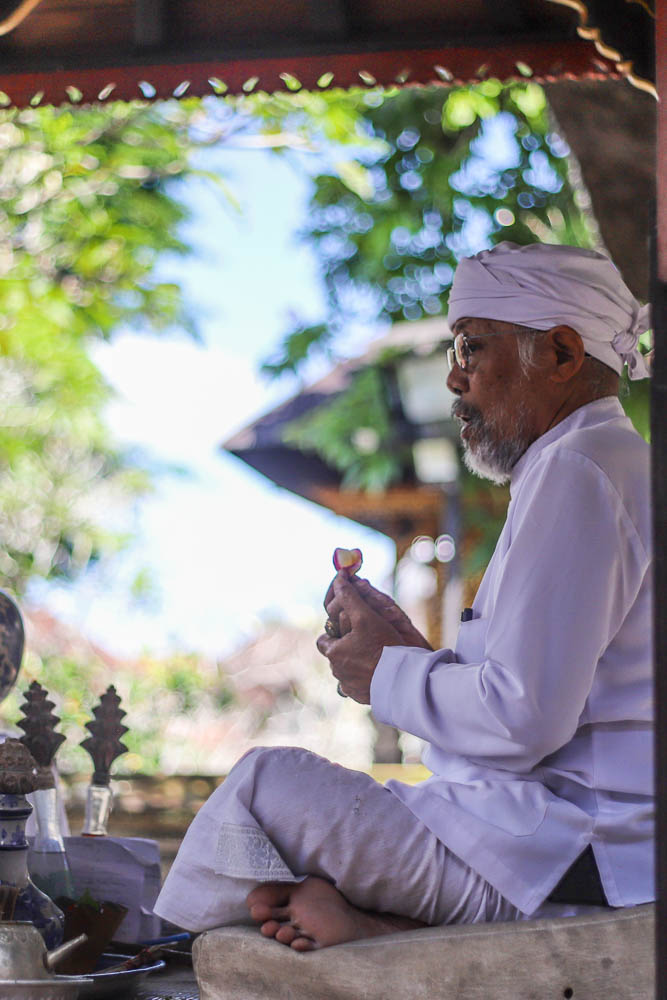
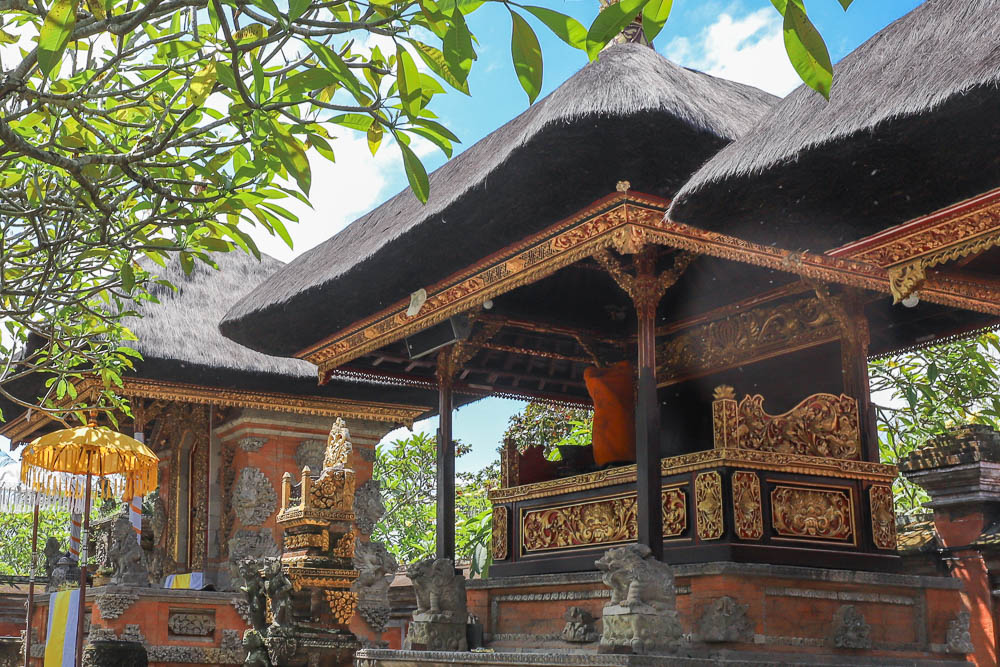
You may enter the temple freely if it is open and you are dressed respectfully, with a sarong and covered shoulders. Seek permission from the pemangku (local priest), dressed in white, either before or after entering. Avoid stepping up on pavilions, making loud noises, or talking loudly, and always show respect to those who come to pray.
Bibliography
Davison, Julian, et al. Introduction to Balinese Architecture. Singapore: Periplus, 2003.
Haer, Debbie Guthrie; Morillot, Julliet and Toh, Irene Bali, a Traveller’s Companion. Singapore: Didier Millet, 2007
Pringle, Robert A Short History of Bali: Indonesia’s Hindu Realm. Crows Nest NSW: Allen & Unwin, 2004.
Wei, Lin Che Mas Ubud – The Art of Balinese Woodcarving, 2008. https://masubud.blogspot.com/2008/02/desa-mas-how-village-get-its-name.html
Nearby temples
In the area southeast of Ubud, there are enough historical temples to explore for at least a week, each with its own stories, legends, and cultural significance, contributing pieces to the larger mosaic of Balinese culture.
Especially close are Jukut Paku to the northwest, Goa Gajah, Pura Samuan Tiga, Yeh Pulu, and the temples of Pejeng to the northeast of the village Mas. Pura Hyang Tiba and theCanggi Gate are two smaller, rarely visited sites of historical interest, located within a ten-minute drive to the south.
Previous temple:
Next temple:
Photos and text © 2025 Alida Szabo.
