— A Place of Interfaith Worship —

Also called: PURA TULUKBIYU, PURA KULIT BIYU, PURA BATUR KANGINAN, kanginan meaning ‘eastwards’ or ‘in the direction of the wind’
Location: At the southwestern edge of Mount Batur’s caldera at 1459 meters above sea level, south of and sharing a wall with Pura Ulun Danu Batur.
Map: Batur Selatan, Kintamani, Bangli, Bali, Indonesia
Dates back to: 11ᵗʰ century or earlier
Main deity: Bhatara Tuluk Biyu (potentially Shiva)
Special building: A Chinese shrine, dedicated to Kang
Requirements for visit: You need a sarong to enter. Seek for permission.
Region: Mount Batur
Historical Background
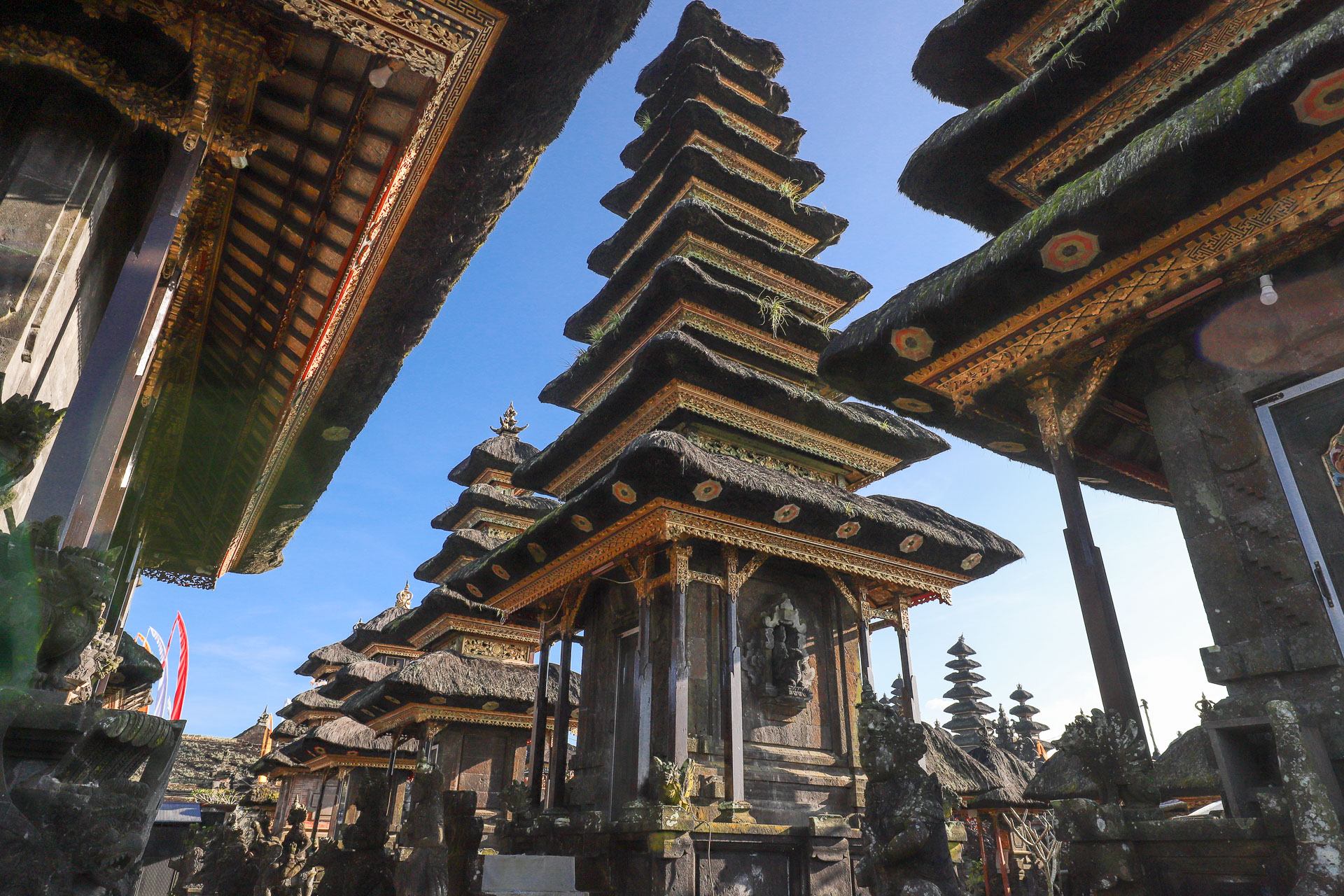
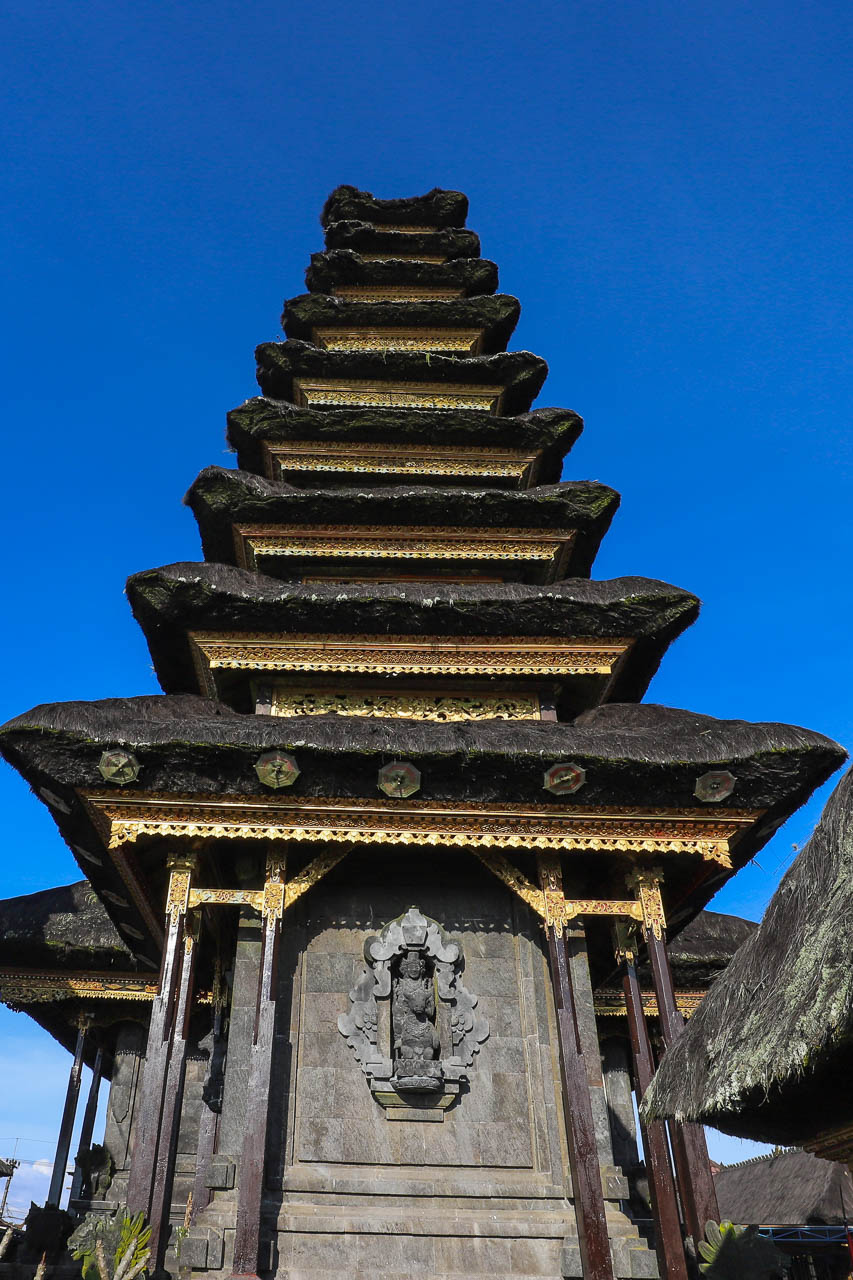
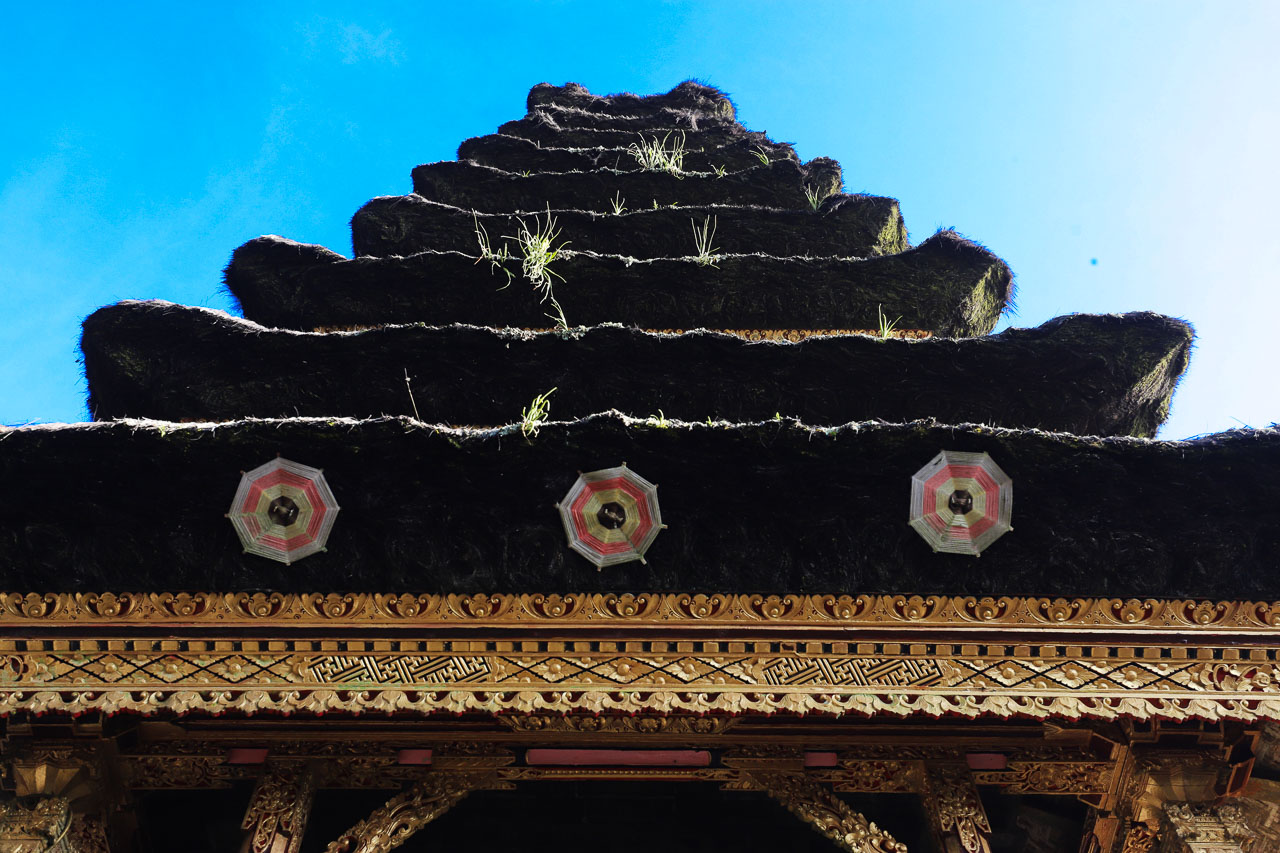
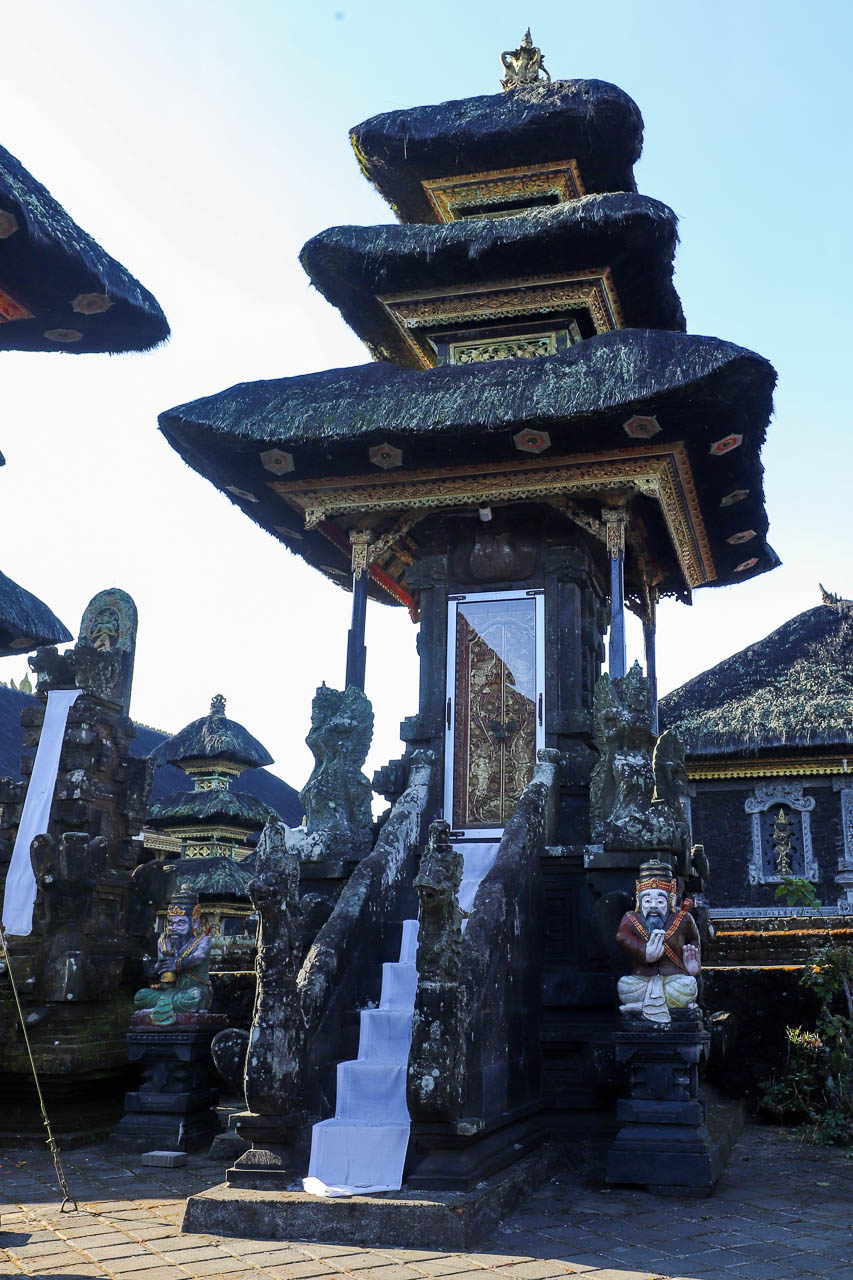
Pura Tuluk Biyu Batur is a Hindu temple located on the southwest rim of the Batur Caldera in Kintamani, Bangli Regency, Bali. It is situated above Mount Batur and Lake Batur, providing stunning panoramic views. The temple stands adjacent to Pura Ulun Danu Batur, forming part of a larger temple complex. Both temples were relocated to their current higher ground positions after they had to be moved from their original locations due to destructive volcanic eruptions and landslides.
Dating back over a thousand years, Pura Tuluk Biyu is known for its rich historical legacy. Archaeologists have uncovered at least twenty-one ancient inscriptions at the site, including the notable “Rites of Peace” stone tablets dated to 1011 CE. These inscriptions confirm the temple’s continuous spiritual function and ownership, primarily linked to Shaiva worship, the religious tradition devoted to the god Shiva. Originally, the temple was located in the now-lost village of Abang, near Mount Abang but was abandoned due to natural disasters such as landslides in the late 19ᵗʰ century.
Archaeological Significance
The temple contains important prehistoric objects including ancient stone statues, ritual tools, and copper vessels used in ceremonies. Two gold or gold-plated statues believed to represent Shiva and his consort Uma Parvati are of particular importance. These statues are sacred and carefully guarded, and not on public display. Additional artifacts include porcelain statues with Ming dynasty characteristics, reflecting historical trade and cultural exchanges between Bali and China.
Chinese Influence and Architecture
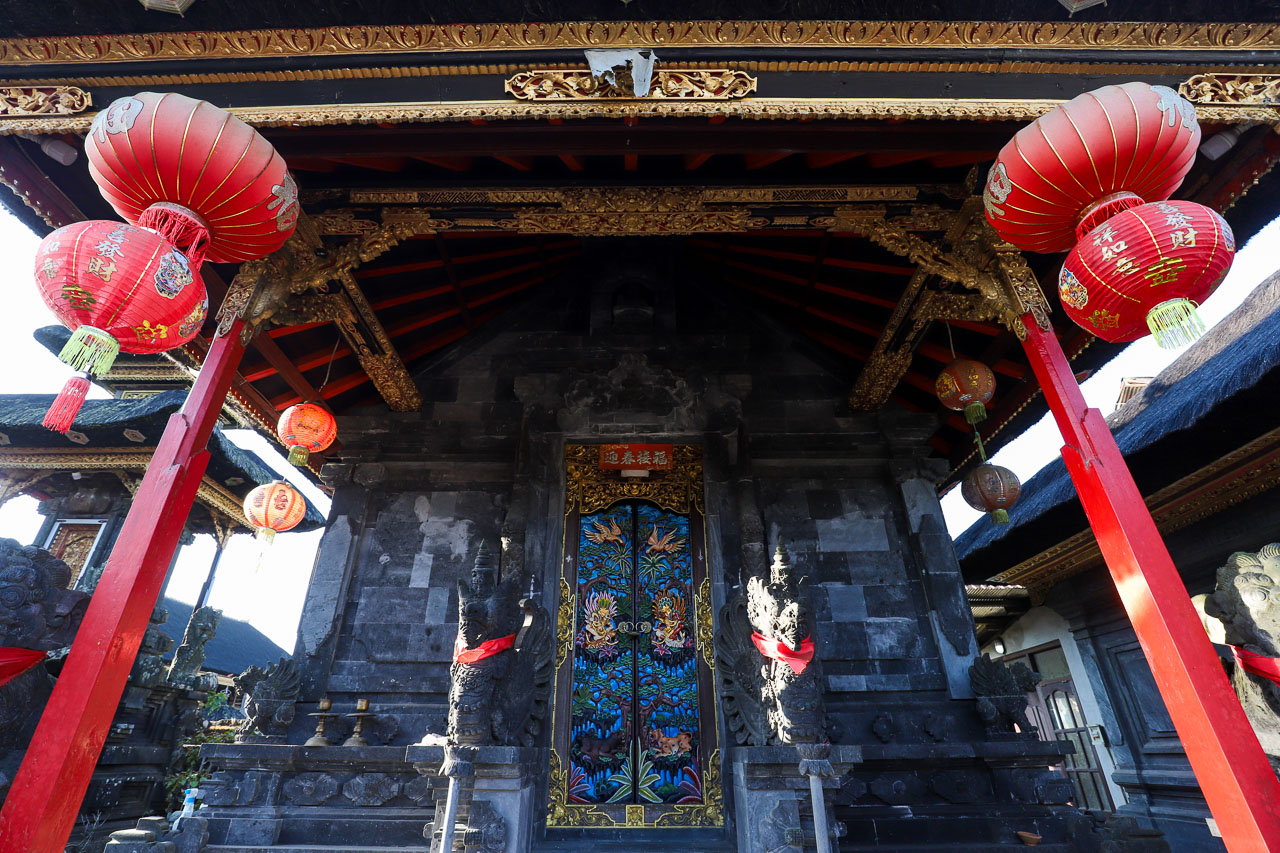
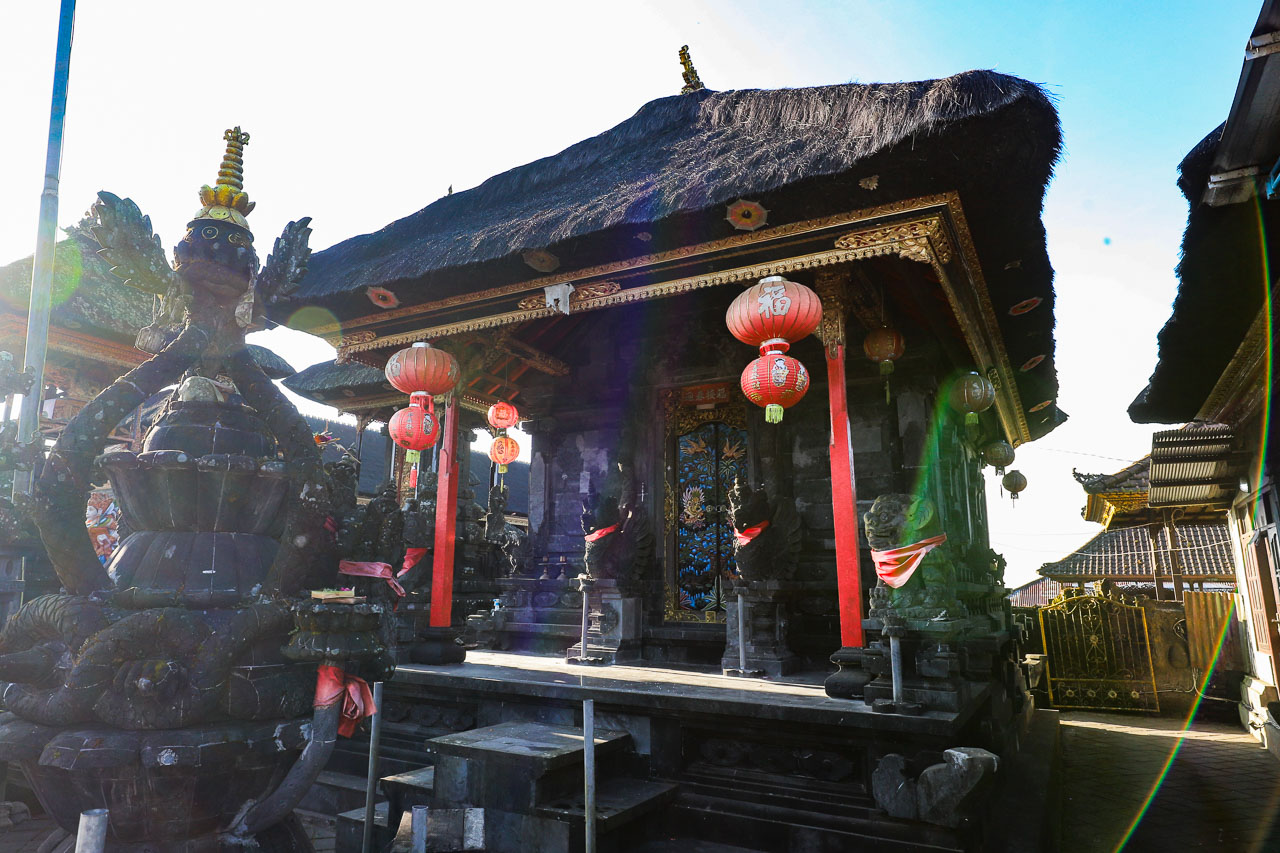
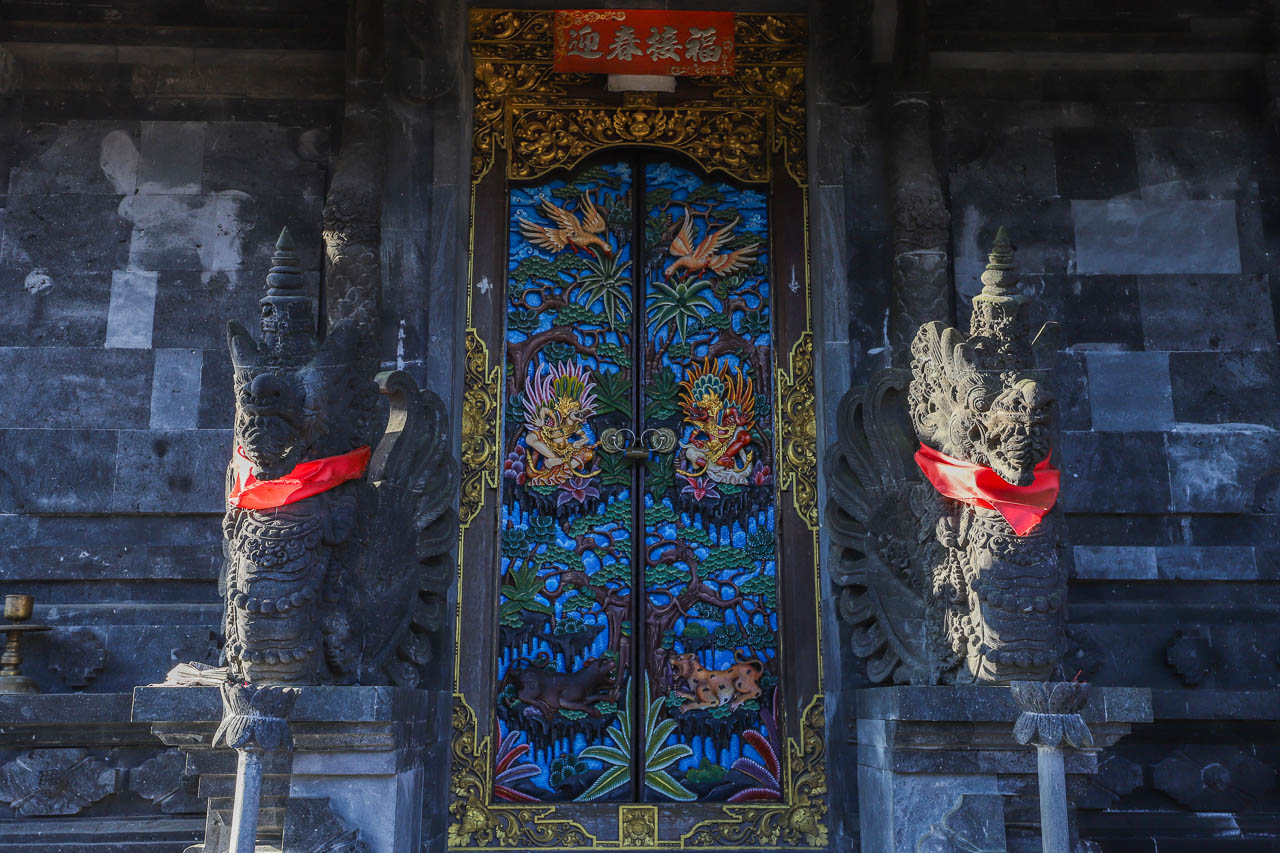
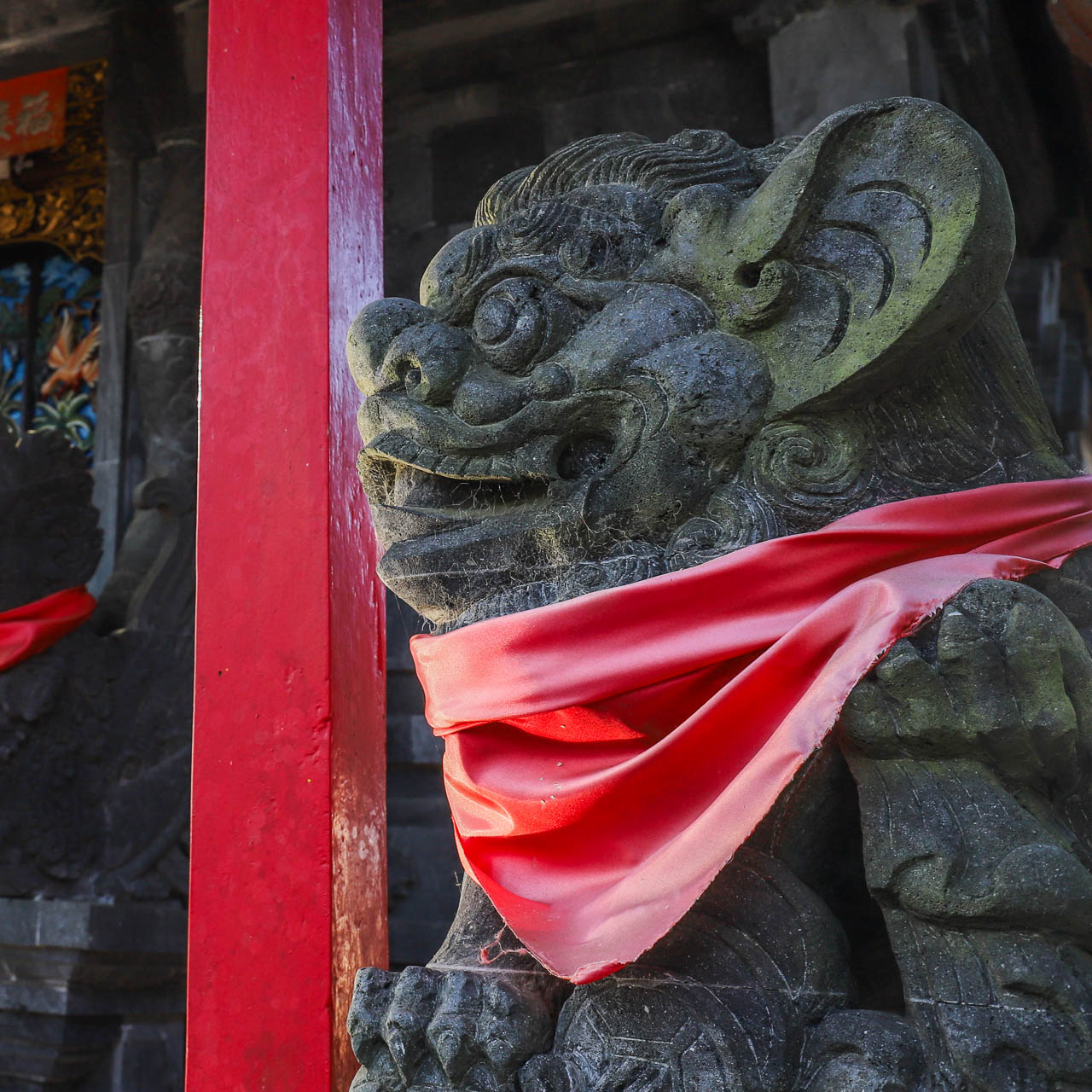
A unique feature of Pura Tuluk Biyu is its Chinese-style shrine located in the temple’s southern part. This pavilion is dedicated to Kang Cing Wie, a 12th-century Chinese woman who became queen consort of King Sri Jaya Pangus of Bali. The shrine displays rare hexagonal architecture with crimson lacquerwork and dragon motifs inspired by Ming dynasty design. Inside is a Chinese style shrine with an incense burner and an empty throne, but the door is closed, unless there is a ceremony. This reflects the longstanding cultural and commercial ties between Balinese and Chinese communities, with the shrine standing for prosperity and protection. You can see another shrine dedicated for the princess King Cing Wie in the nearby Pura Dalem Balinkang.
Religious and Community Context Today
Pura Tuluk Biyu continues to function as an important religious site, hosting regular temple ceremonies (piodalan) that correspond with agricultural cycles, water rituals, and ancestral veneration. The temple plays a key role in maintaining spiritual harmony and fertility in the region. It is also deeply connected with the Bali Aga community, the indigenous Balinese groups that preserve traditional customs and beliefs distinct from mainstream Hindu practices.
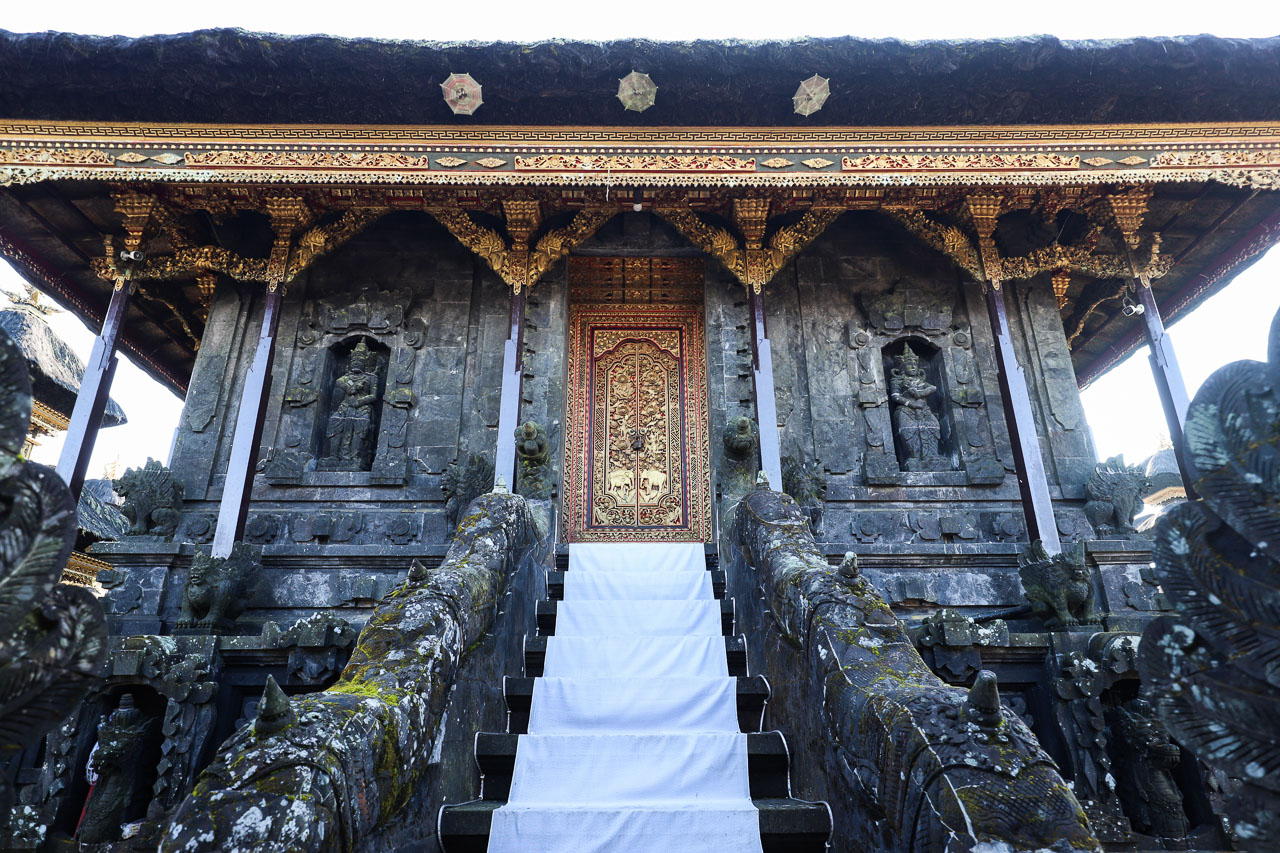
Though less well-known than neighboring Pura Ulun Danu Batur, Pura Tuluk Biyu remains vital to the local spiritual landscape and historical heritage. Concerns about the protection of its ancient artifacts exist, but efforts are ongoing to safeguard this culturally rich site.

Bibliography
Asian Historical Architecture Pura Tuluk Biyu Batur https://www.orientalarchitecture.com/sid/1867/indonesia/bangli-regency-bali/pura-tuluk-biyu-batur
Atmodjo, Sukarto Karto. “Benda Purbakala dari Pura Tulukbiyu di Bali.” Berkala Arkeologi, vol. 8, no. 1, 1987, pp. 31–45. https://berkalaarkeologi.kemdikbud.go.id/index.php/berkalaarkeologi/article/view/484
Lombard-Salmon, Claudine, and Sidharta Myra. “The Hainanese of Bali: A Little Known Community.” Archipel, vol. 60, 2000, pp. 87–124. https://doi.org/10.3406/arch.2000.3582
Susilo, Greysia, and Audrey Abigail. “New Vihara Design Generating Process: Study Case Vihara Dharma Cintamani, Kintamani, Bali.” Proceedings of the International Conference on Architectural Design and Research, 2025. https://doi.org/10.2991/978-2-38476-420-4_13
Reuter, Thomas A. Custodians of the Sacred Mountains: The Ritual Domains of Highland Bali. Hawaii: University of Hawaii Press, 2022.

Nearby Temples
The adjoining temple of Pura Tuluk Biyu to the north, Pura Ulun Danu Batur is one of the most important temples in Balinese Hinduism, second only to Pura Besakih. With a short drive you can get to the oldest and highest temple of Bali, Pura Puncak Penulisan from where turning left you can drive down to the north coast and Singaraja, while the road on the right takes you to Pura Dalem Balinkang in Singan village.
Previous temple:
Next temple:
Photos and text © 2025 Alida Szabo
