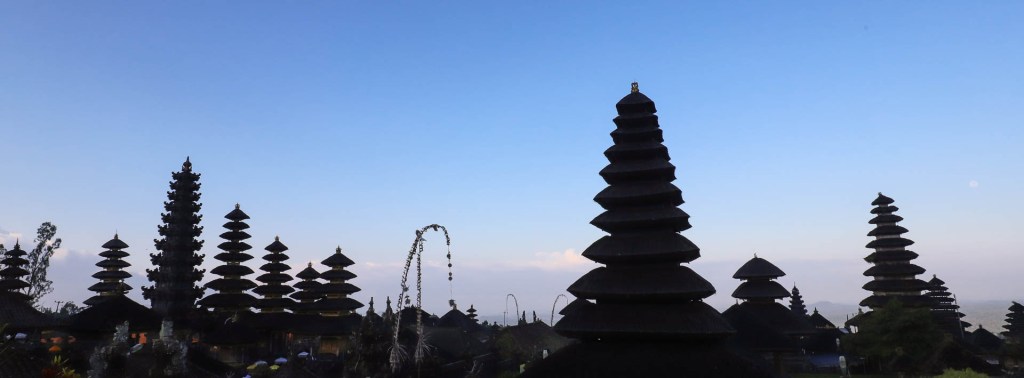
The “six sanctuaries of the world” (sad kahyangan) are especially prominent temples in the religious life of Bali. These temples are the checkpoints for Bali’s spiritual health, rooted in history and tradition, and have anchored the island’s spiritual life for centuries. If you want to understand more about Bali, here is a good starting point. These are the six (sad) sanctuaries (kahyangan, in Balinese):
Pura Besakih
— The Mother Temple of Bali on Mount Agung —
Pura Besakih is a whole spiritual village, 22 temples strong, perched on the southern slopes of mighty Mount Agung—the island’s highest and thus most important peak. The main temple here is Pura Penataran Agung, dedicated to Shiva, where ancient statues and sacred stones rub shoulders with majestic meru towers, rebuilt over and over as if to remind us that faith, like the mountain, is both solid and ever-changing. More…

Pura Lempuyang Luhur
— The Famous Gate of Heaven and So Much More —
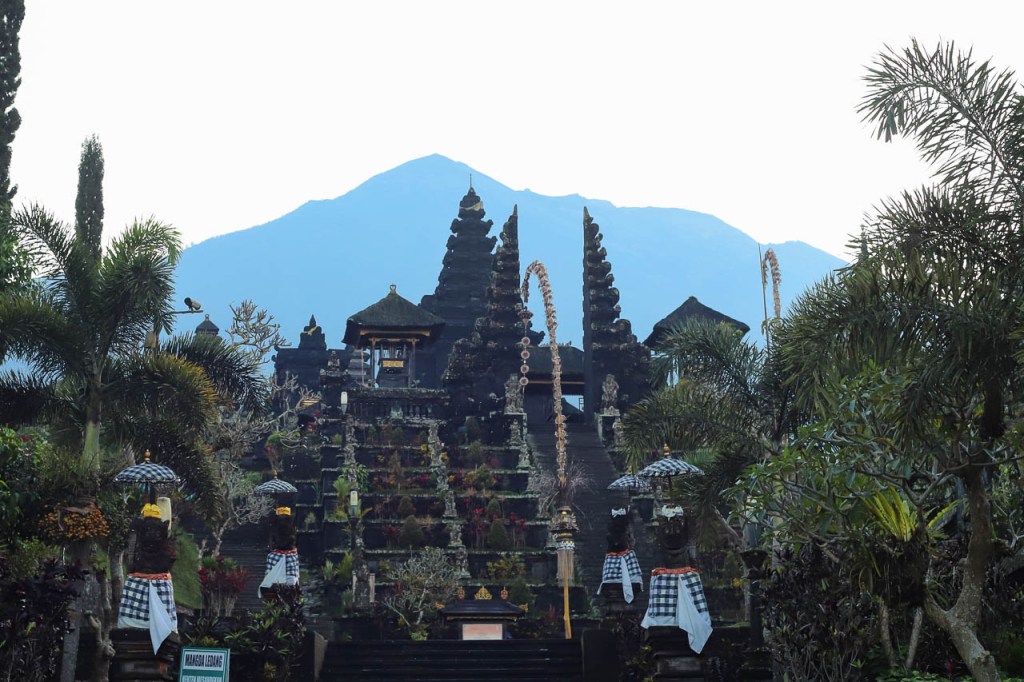
On the western slopes of Mount Lempuyang in East Bali you can find a spectacularly placed mountain temple, with an elevated view of Mt Agung. This sanctuary was established in the 11th century by the legendary priest Mpu Kuturan alongside King Udayana. The temple complex is spread across the mountain, with seven shrines and pavilions, each marking a step closer to the summit and spiritual enlightenment. More…


Pura Goa Lawah
— A Seaside Cave Where You Do Not Want to Enter —
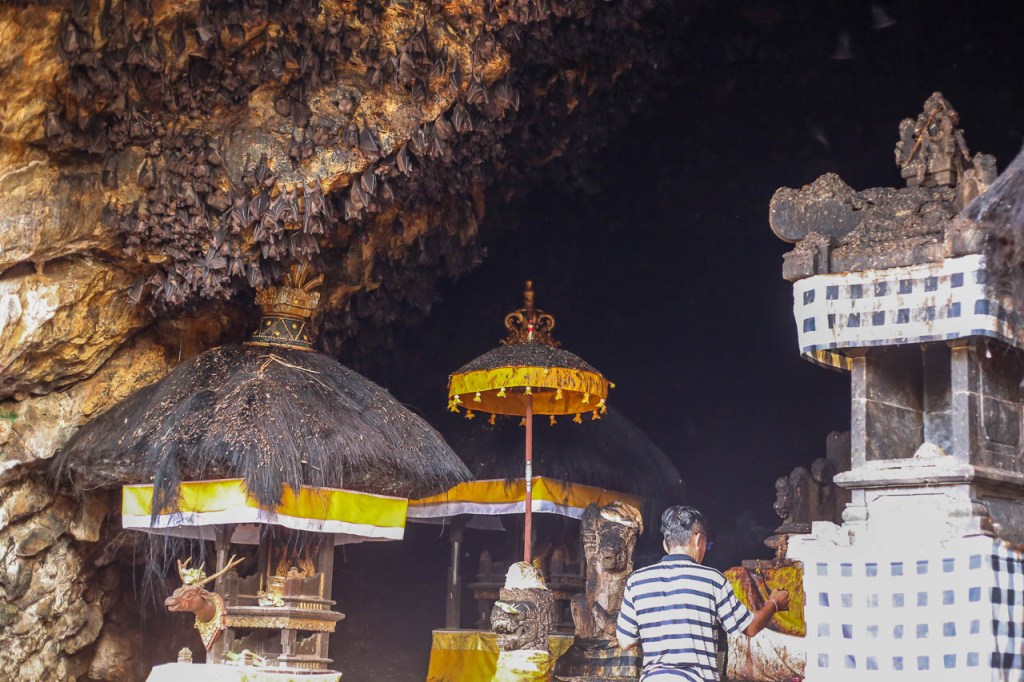
The “Bat Cave” temple in Klungkung, Goa Lawah, is the temple that thousands of bats and a few sacred pythons call home. It’s been a spiritual hotspot since at least the 11th century, when legend says holy man Mpu Kuturan founded it. Goa Lawah is one of Bali’s nine directional temples, marking the meeting point between mountain and sea. Balinese come here for ancestor rites, and stories swirl about secret tunnels reaching into Pura Goa Giri Putri on Nusa Penida island. Its real magic is in the mystery—and the bats. Step closer and get to know more…
Pura Pusering Jagat
— The Center of the Universe —
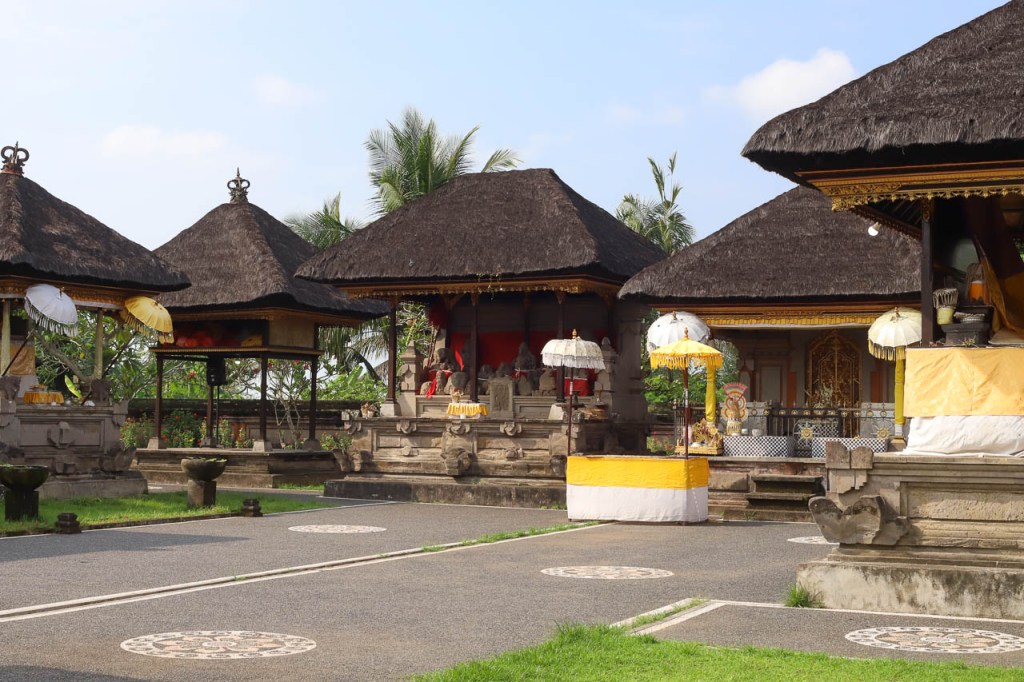
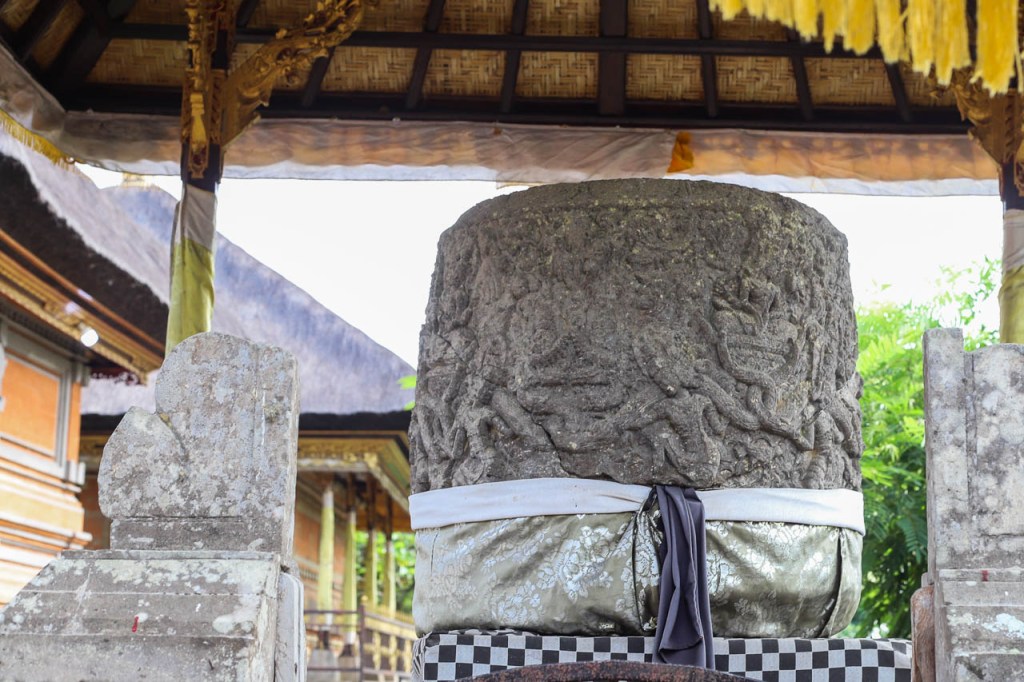
This place is Bali’s “Navel of the World,” a sacred center believed to channel the island’s spiritual energy. Founded in the 14th century during Bali’s ancient Pejeng Kingdom, it’s packed with legends and mysteries. The temple is famous for its carved massive stone water container, said to have magical powers. Local stories whisper that it was used by the gods themselves. More…
Pura Luhur Batukaru
— Mountain Temple in Tabanan —
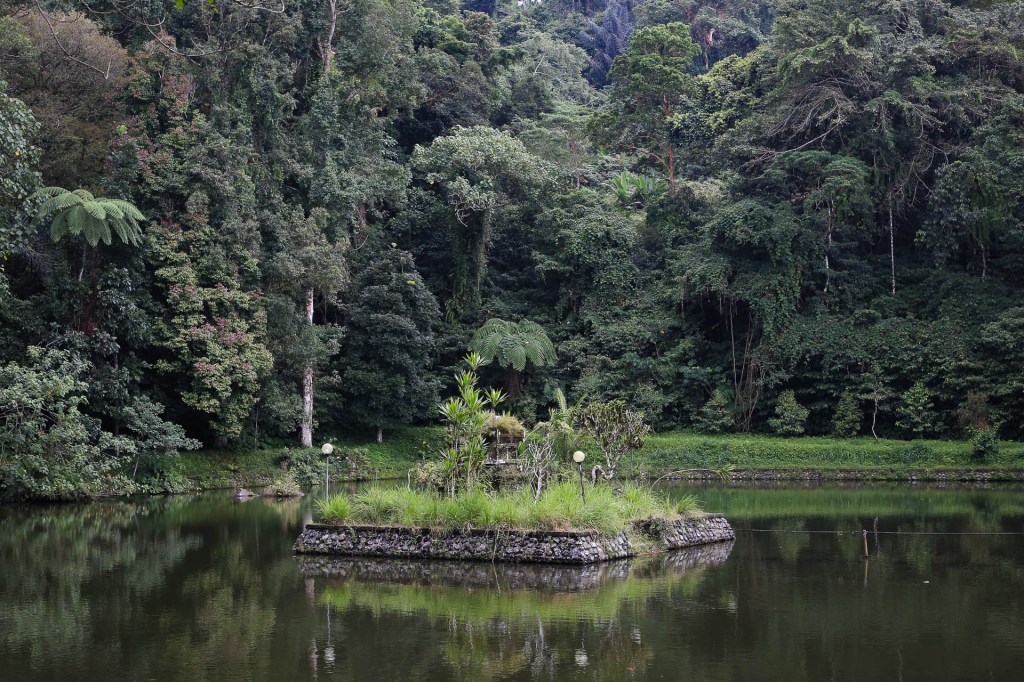
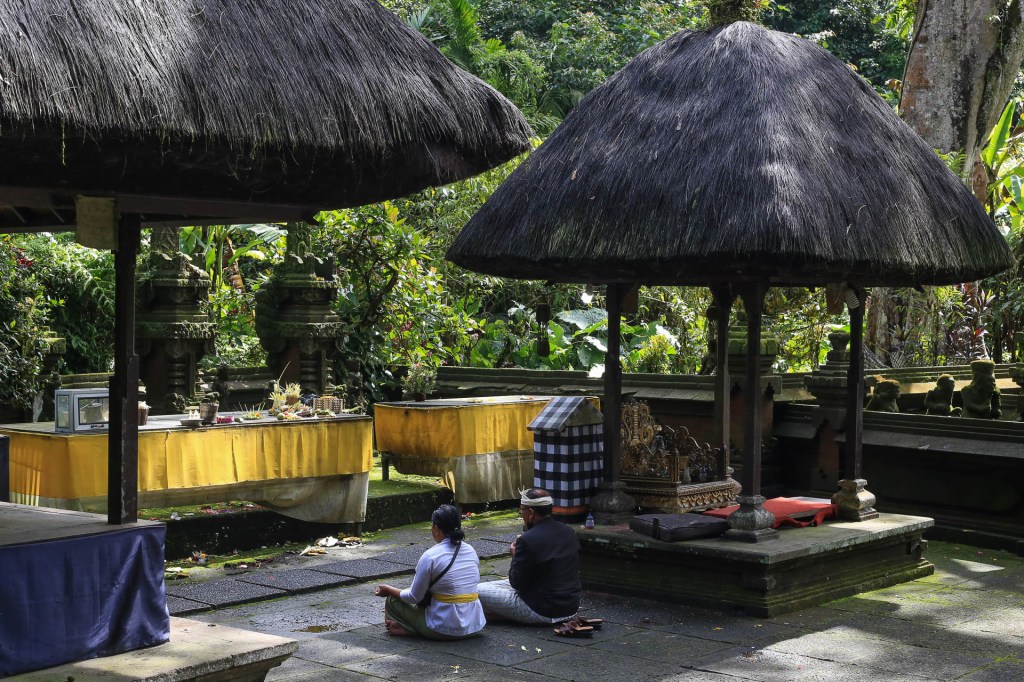
On the slopes of Bali’s second-highest volcano, Mount Batukaru, this mountain temple is one of the island’s six holiest sanctuaries. Legends say it was founded by the revered sage Mpu Kuturan, who built it after a divine vision. It’s a place where history, myth, and nature meet, wrapped in mist and rainforest. More…
Pura Luhur Uluwatu
— Lakeshore Temples in the Batur Crater —
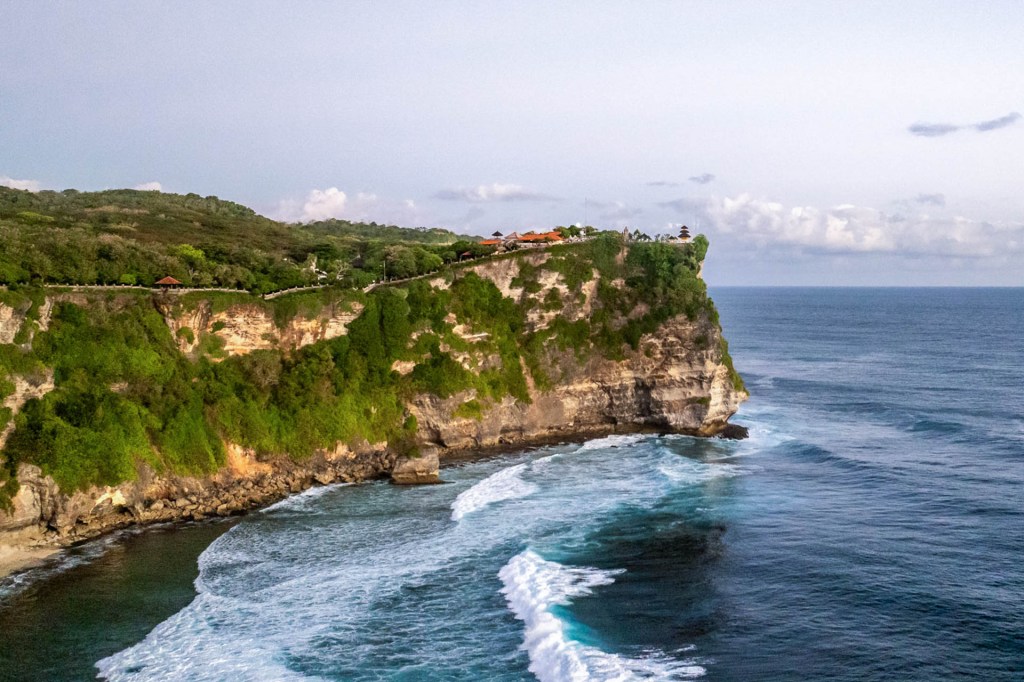
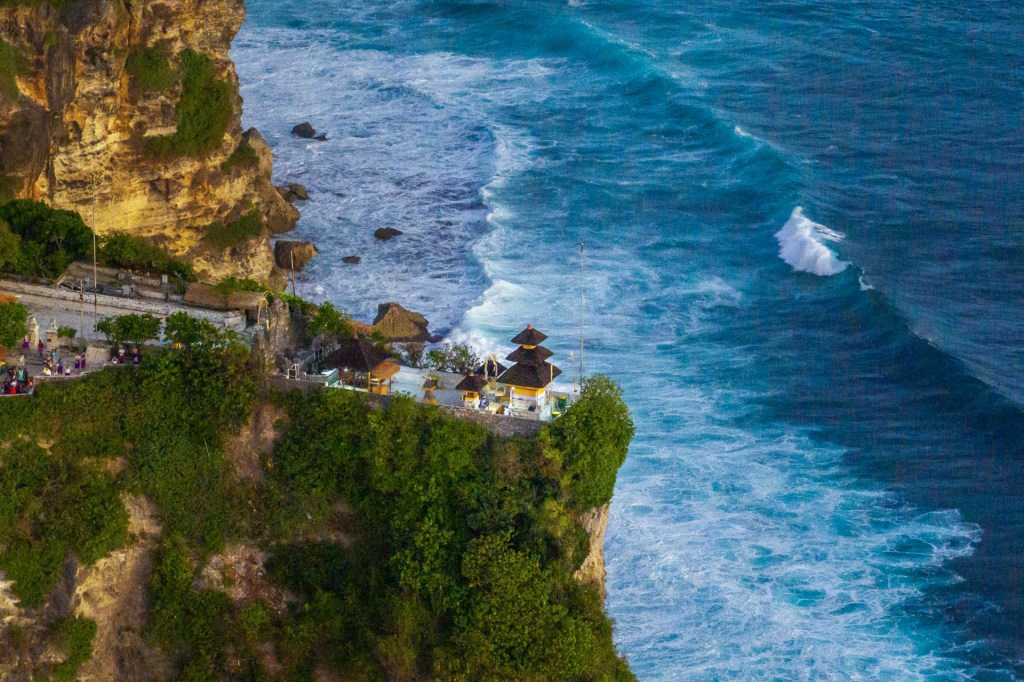
Like many of the oldest temples in Bali, Pura Luhur Uluwatu was also built on a breathtaking spot: 80 meters above the Indian Ocean, on a dramatic cliff. Founded in the 11th century by the legendary sage Mpu Kuturan, Pura Uluwatu is dedicated to Rudra, the powerful god of healing and the winds. The temple is also famous as the place where the Hindu reformer Nirartha is said to have achieved liberation. Wild, windswept, and wrapped in legend, Uluwatu is a place where the spiritual and the spectacular collide. More…
Kahyangan jagat temples
Number-based symbolic classification systems of the temples are numerous in Bali. Besides these six main sanctuaries, there is also a nine-part system, based on the four-part classification (catur lokapala) and the six-part classification (sad kahyangan, see above). These temples are seen to belong to the nine directional temples of Bali (kahyangan jagat): East: Pura Lempuyang Luhur, Southeast: Pura Andakasa, South: Pura Goa Lawah, Southwest: Pura Uluwatu, West: Pura Batukaru, Northwest: Pura Pucak Mangu, North: Pura Ulun Danu Batur, Northeast: Pura Besakih, and in the centre: Pura Pusering Jagat.
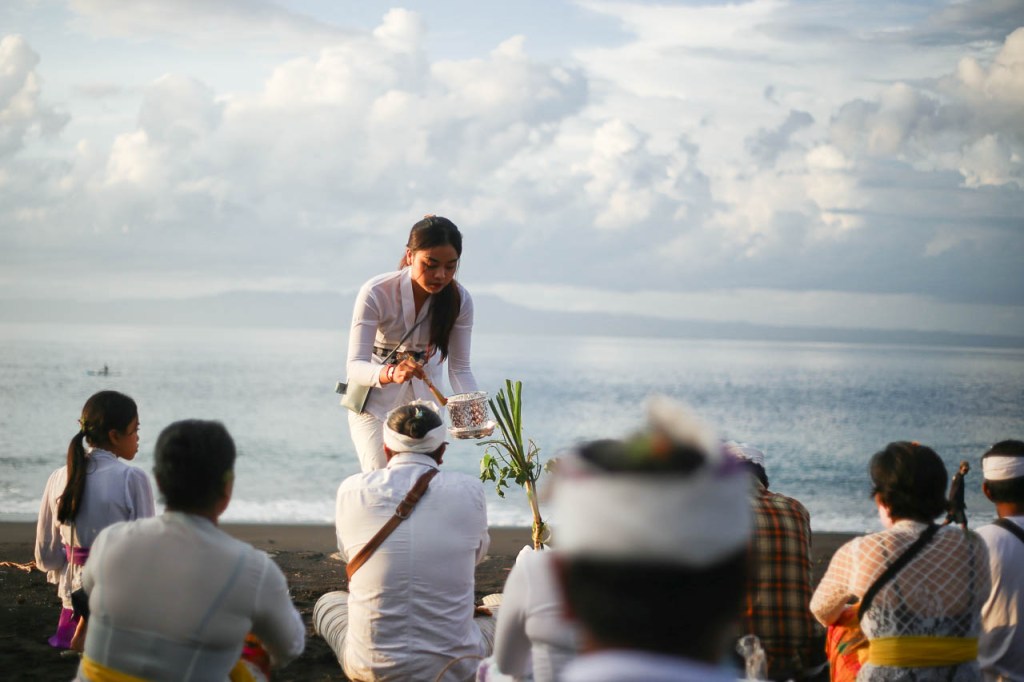
From mountaintops to coastal cliffs, each sanctuary holds a distinct energy and purpose, woven into the rhythm of daily life and ceremony. Visiting them offers more than insight into Balinese religion—it opens a window into how deeply the island’s people live in balance with the divine, nature, and community. These temples don’t just tell the story of Bali—they are the story themselves, still unfolding with every offering, prayer, and step taken in devotion. It is a profound privilege to be able to witness this.
Continue to the Water Temples of Bali.
Photos, maps and text © 2025 Alida Szabo
