
Scattered across the river valleys between Tampaksiring and Pejeng are some of Bali’s oldest and most atmospheric sacred sites—cliff-carved temples and hermitages dating from the 11ᵗʰ to 13ᵗʰ centuries. Shaped during the island’s Hindu-Buddhist era, these monuments reflect a blend of Javanese Hindu influence and local spiritual expression. Carved into stone walls near natural springs and steep ravines, they served as places of meditation, purification, and ancestral reverence. Weathered stupas, narrative reliefs, and cave shrines still reveal their stories, even after centuries of moss and mist have chewed on them. While a few are well known and visited, like Pura Gunung Kawi and Goa Gajah, others remain quiet and hidden in the landscape, serving as remnants of the past and living traces of Bali’s early spiritual imagination.
Pura Gunung Kawi
— The “Royal Tombs” in a Spectacular Valley —
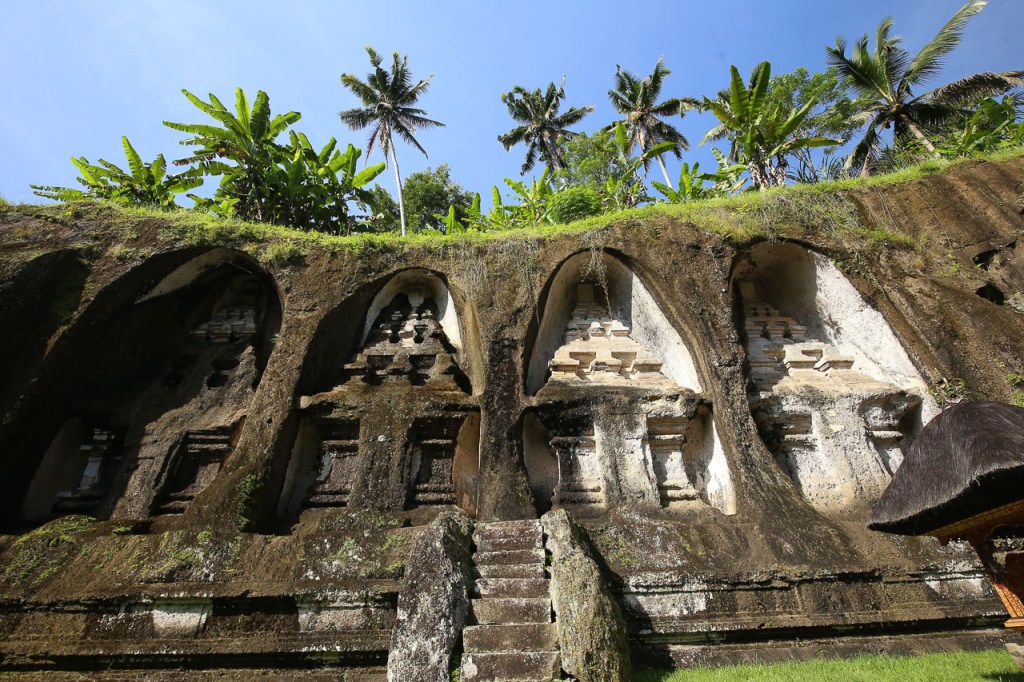
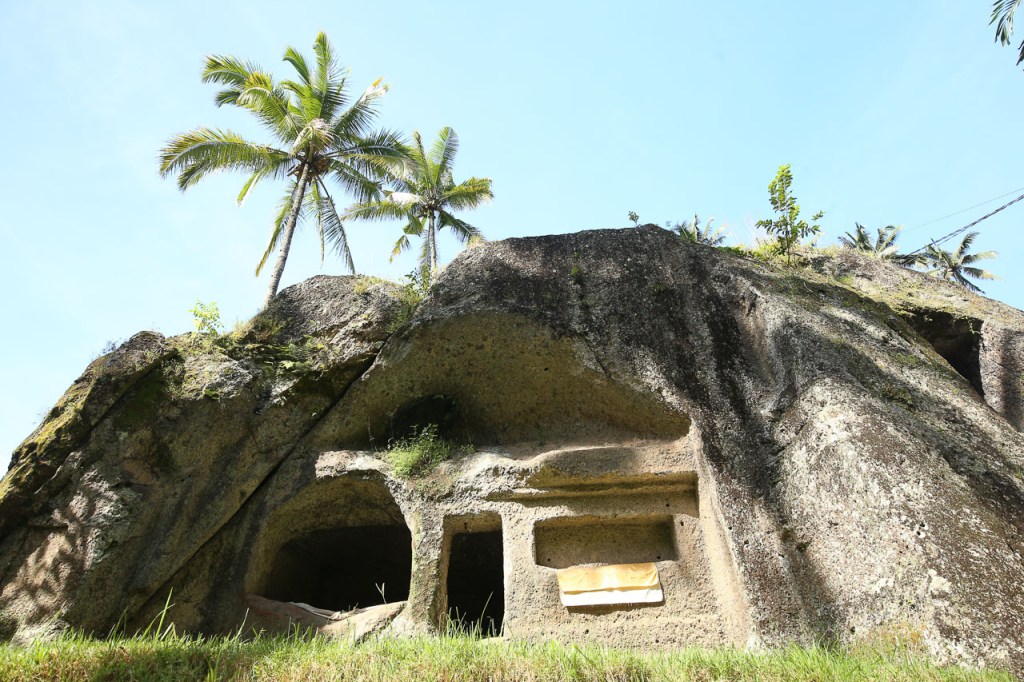
This temple remains one of the most captivating portals to ancient Bali—a carved gateway into the island’s early religious life set within a lush river valley. Dating to the 11ᵗʰ century, it features ten monumental rock-cut shrines believed to honor King Anak Wungsu and his family. Framed by rice terraces, flowing water channels, and coconut trees, the site offers an unforgettable descent into Bali’s early spiritual world. More…
Goa Garba
— Carved by the Giant Kebo Iwo himself —
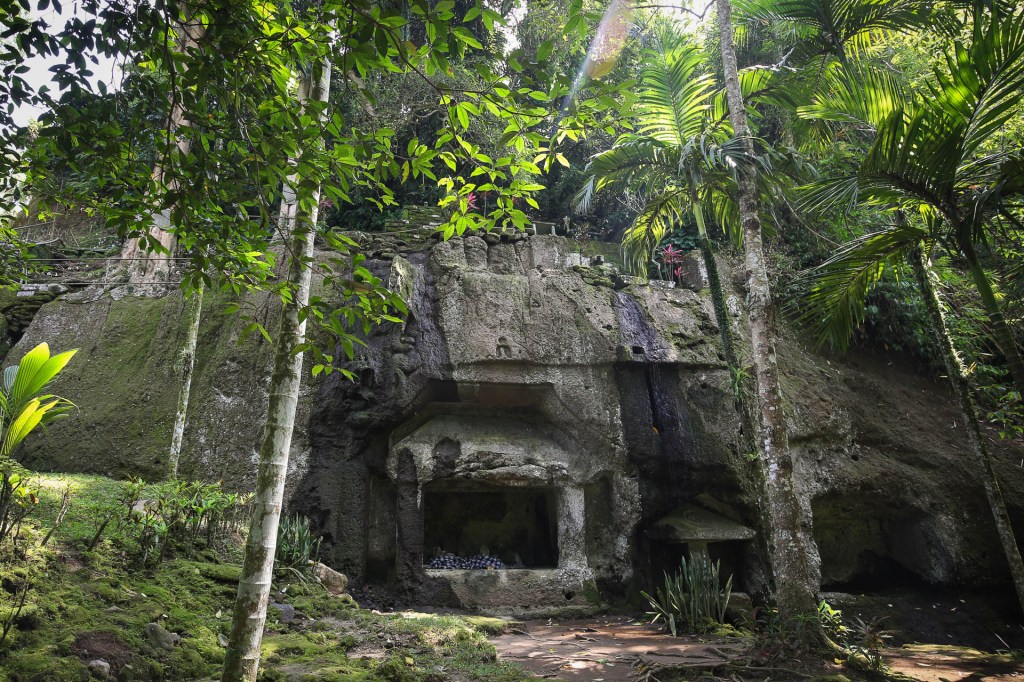
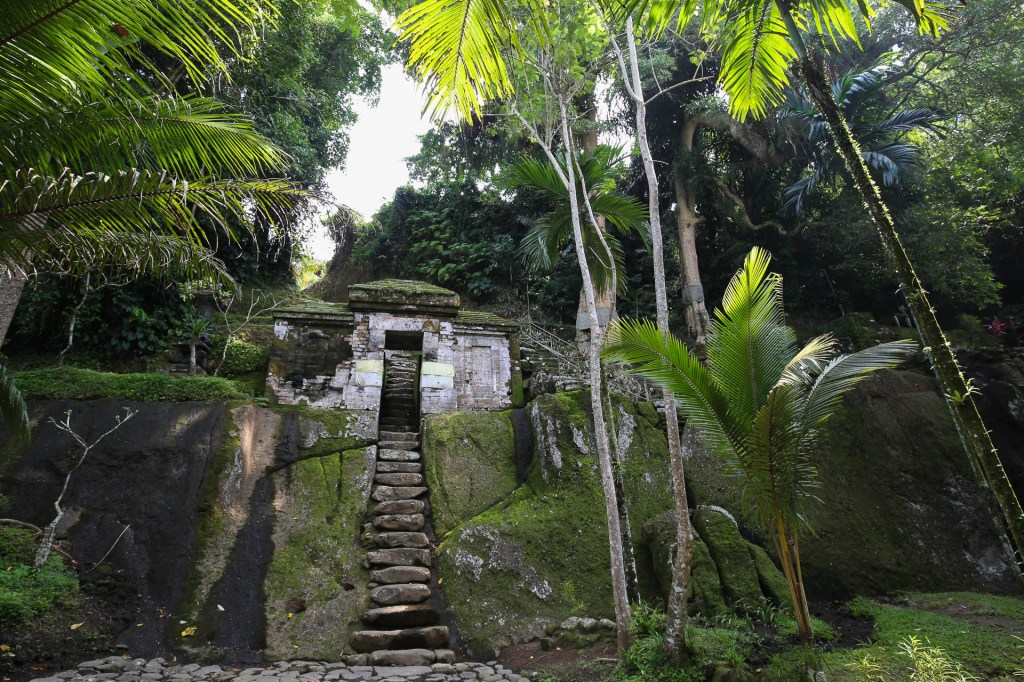
Ever wondered where ancient kings, warriors, and seekers of wisdom went to train both body and soul? Step into Goa Garba—a meditation sanctuary, tucked away in lush forest along the sacred Pakerisan River. Built in the 12th century, this mystical spot was once a royal school and a proving ground for legends like Kebo Iwa, whose mythic footprint still marks the stone. Today it’s still a living place of learning, legend, and spiritual connection. More…
Candi Tebing Tinggi Tambahan
— Off the Beaten Track, Small, and Beautiful—
Tucked away in the lush highlands of Bangli, in Central Bali, Candi Tebing Tinggi Tambahan is a fascinating, but small and hard-to-find cliff temple carved directly into the rock face. Dating back to the 11th century during the reign of Bali’s Warmadewa dynasty, this sacred site consists of a few carved niches and meditation caves once used for yoga and spiritual practice. More…
Candi Tebing Kerobokan
— Hidden and Overgrown —
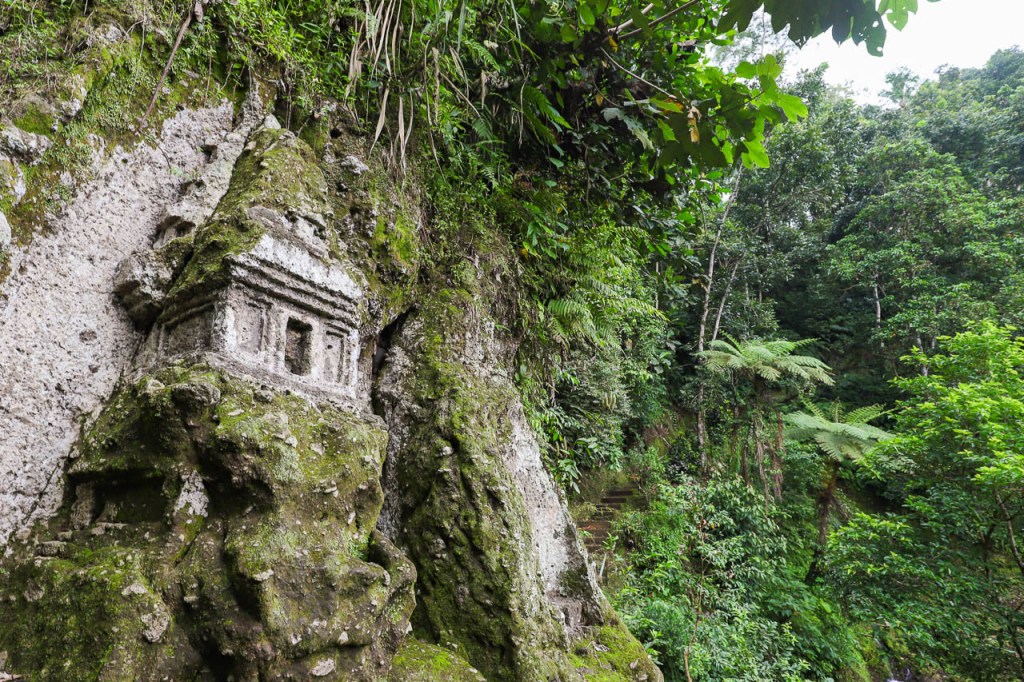
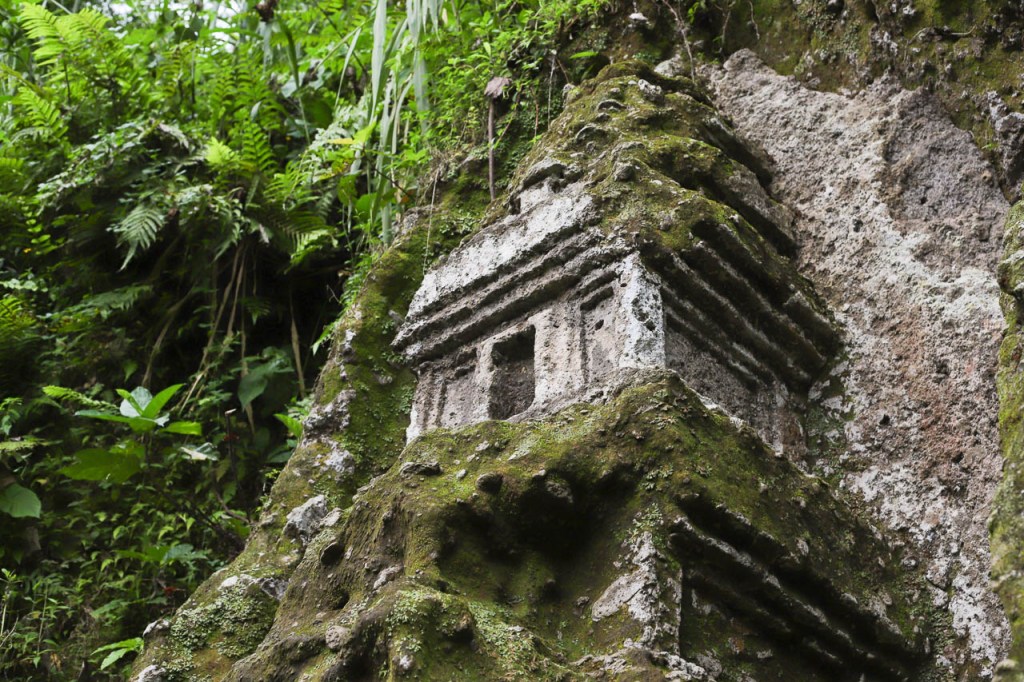
Carved into a steep, moss-covered cliffside in Pejeng Kangin, Bali, Candi Tebing Kerobokan is one of those quiet archaeological gems you almost miss—until you’re standing right in front of it. Carved directly into a riverbank wall, this 12th-century shrine whispers stories of devotion, water, and stone. Though weathered by time and currently overgrown by plants, its architectural lines still echo the style of its older cousin, Gunung Kawi. More…
Candi Tebing Kalebutan
— Near Pejeng, Worth a Visit —
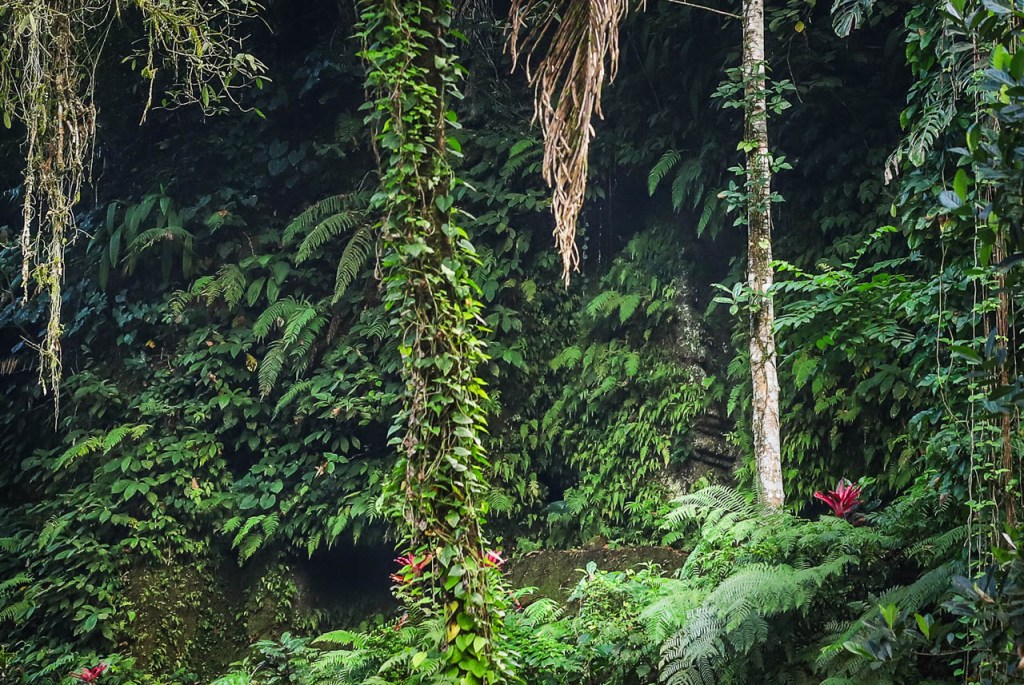
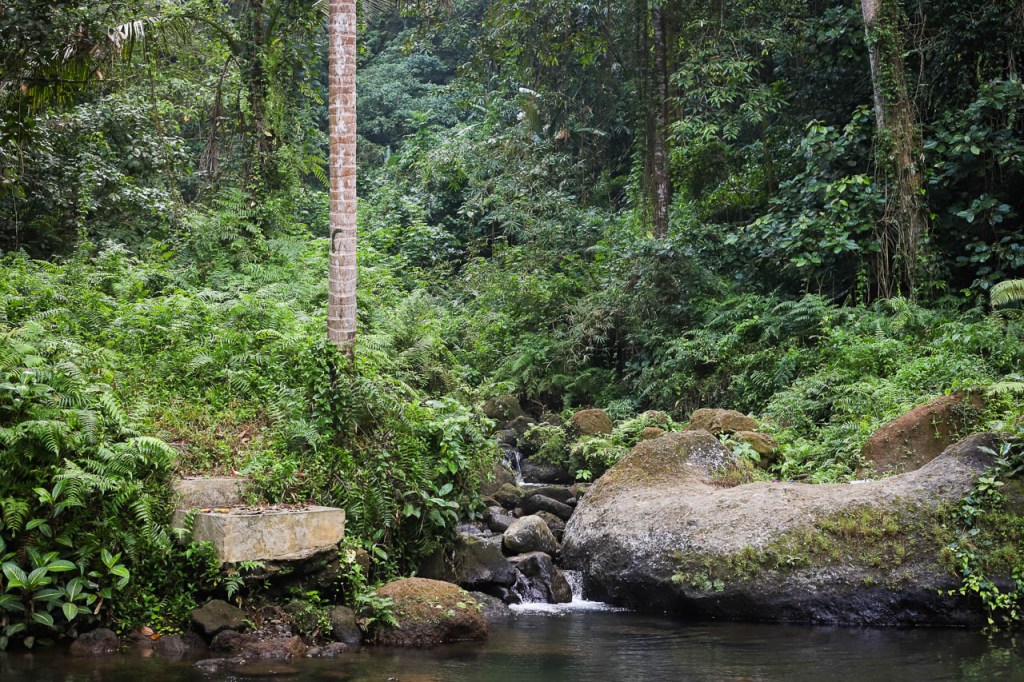
Candi Tebing Kalebutan is one of Bali’s lesser-known cliff temples, a mystical spot where time seems to slow and nature takes center stage. Carved into a sheer rock face, this ancient shrine is placed in a cheerful little valley between Ubud and Pejeng. If you’re looking to step off the beaten path and into the heart of Balinese mysticism, read more…
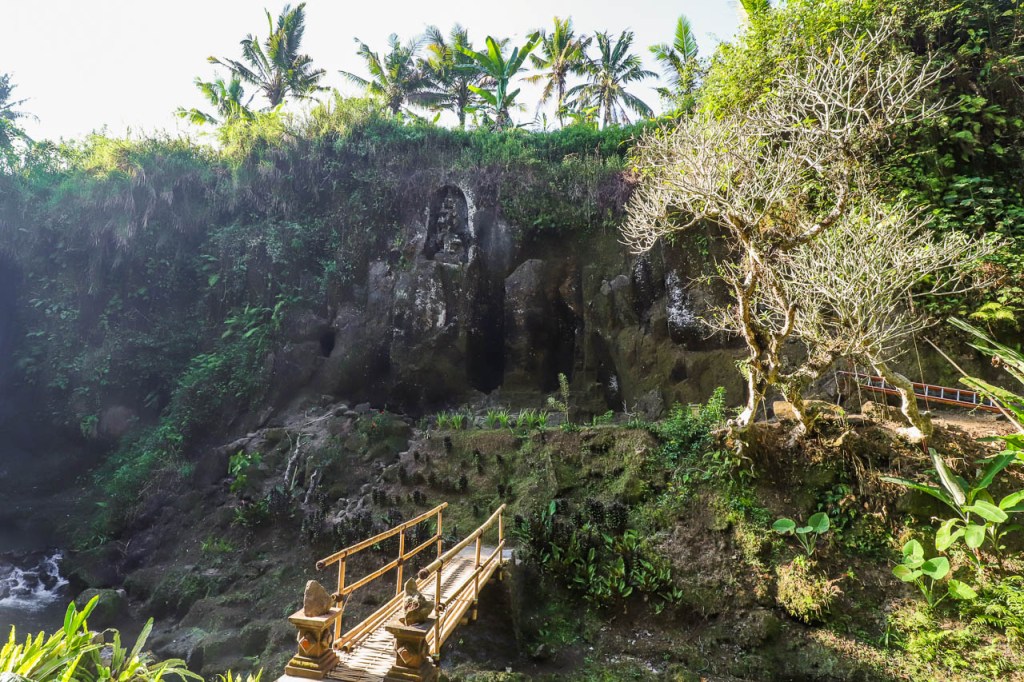
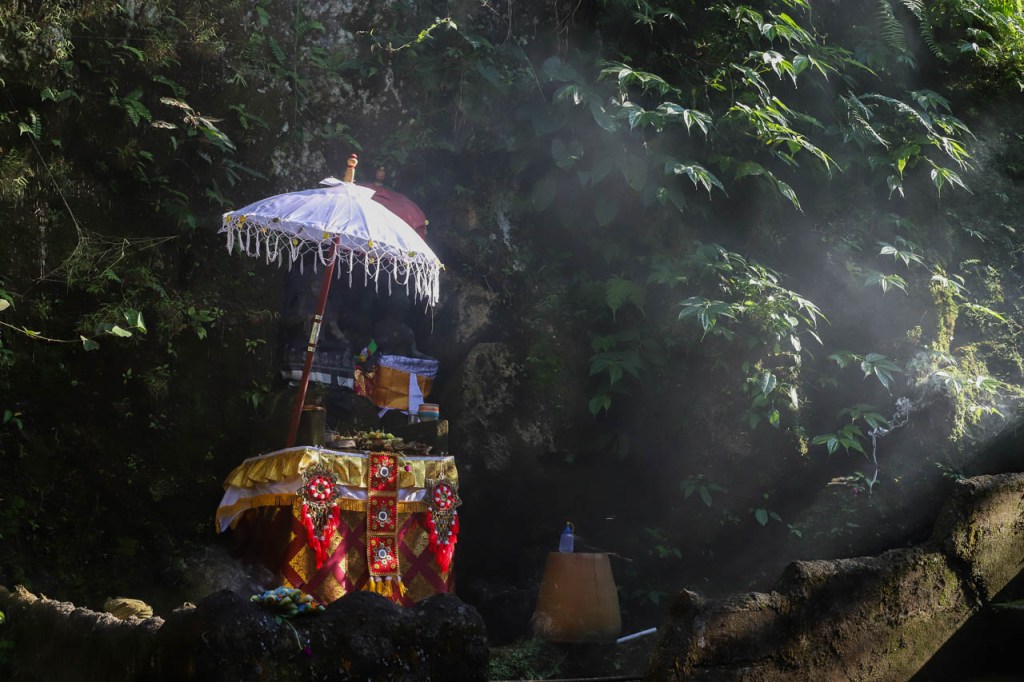
Goa Gajah
— The Elephant Cave and an Ancient Bathing Place —
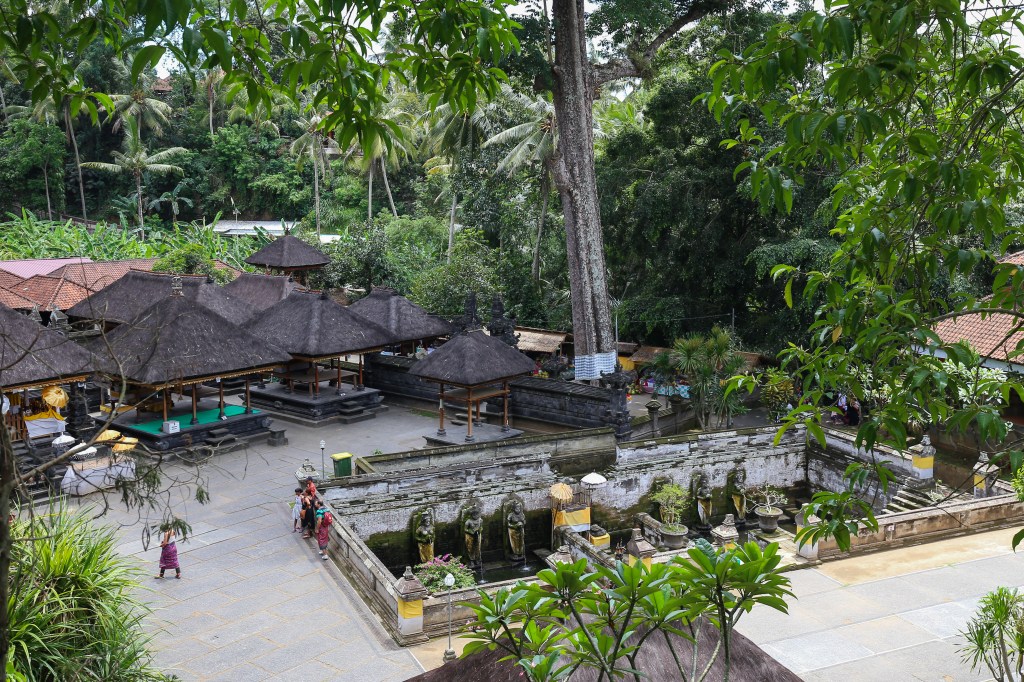
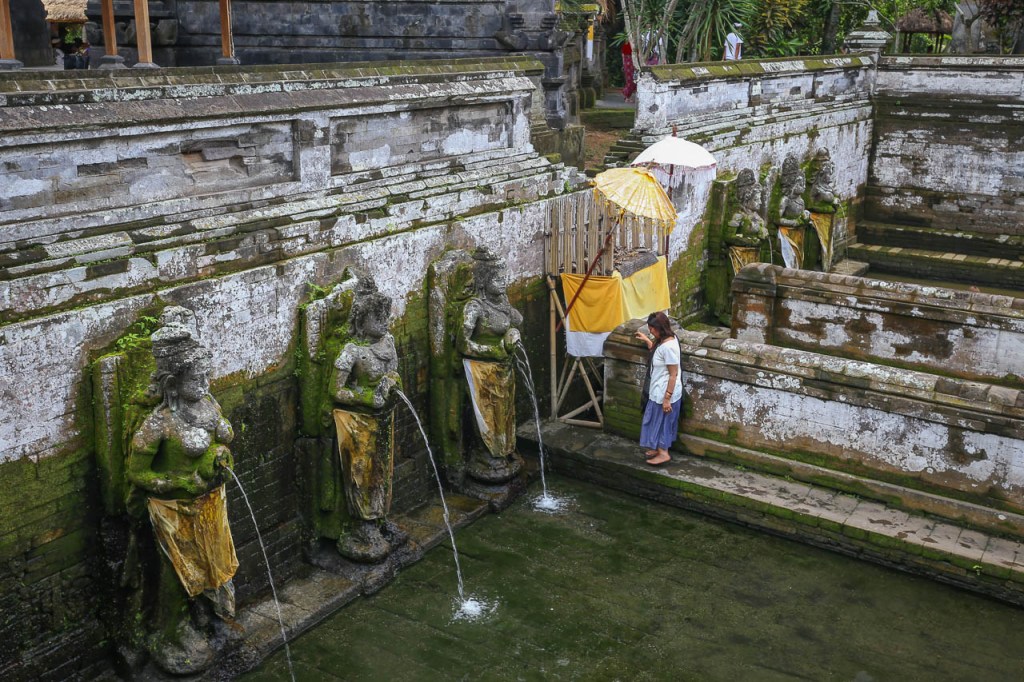
This is another ancient place where ancient meditation meets the magic of water, like Pura Gunung Kawi in Tampaksiring. Goa Gajah, Bali’s famous Elephant Cave Temple is a mystical cave, where monks and priests once sat in quiet reflection. Step down the stone staircase and you’re greeted by an ancient bathing pool, lined with statues of women holding water jugs—symbols of the sacred rivers of India. More…
Yeh Pulu
— Ancient Relief in a Different Style —
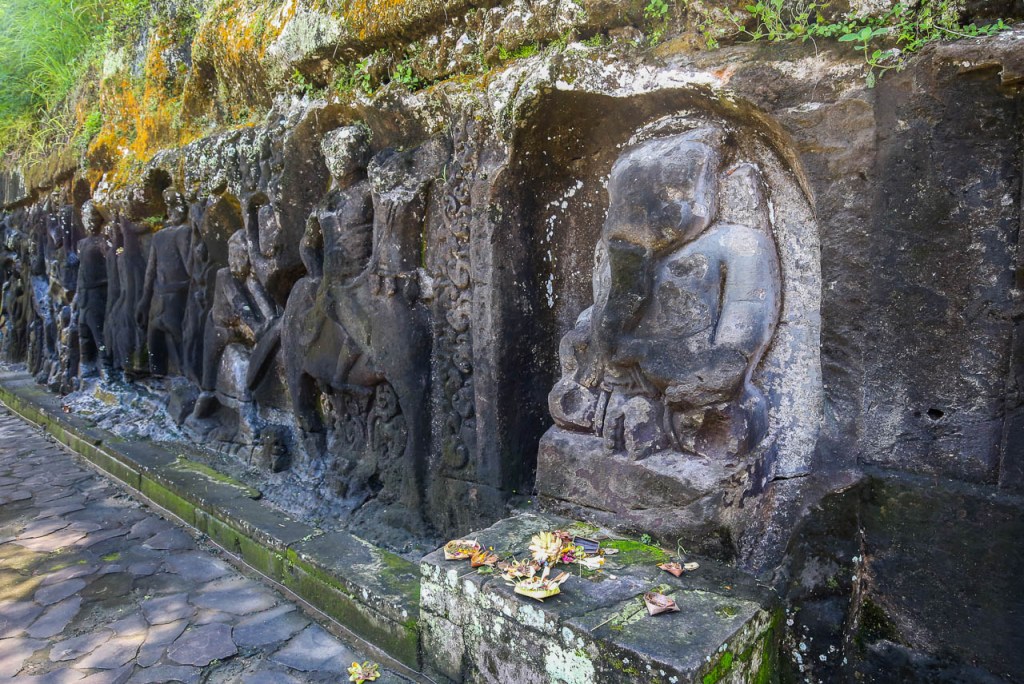
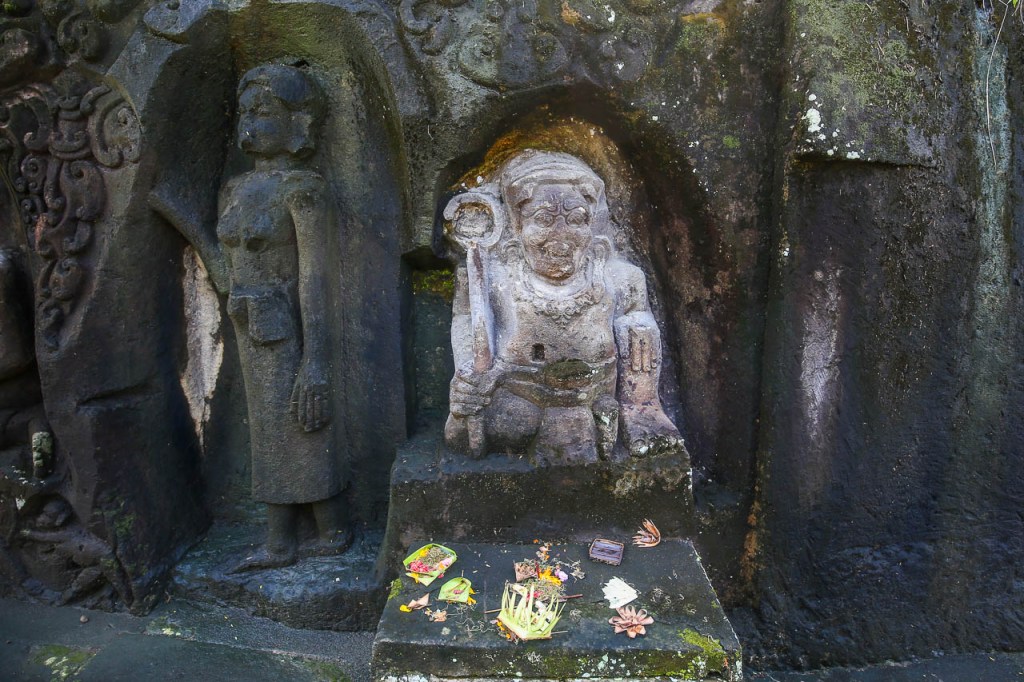
Ever wanted to wander through a living storybook carved in stone? Yeh Pulu, tucked away in the rice fields near Ubud, is Bali’s best-kept secret—a 25-meter-long rock wall covered in intricate reliefs that bring ancient Balinese life to vivid life. Hidden in a lush valley between the Petanu and Pakerisan rivers, this 14th-century sanctuary invites you to step off the beaten path and into a world where myth, history, and nature mingle. More…
Candi Tebing Tegallinggah
— Echoes of Ancients in Stone and Silence —
Hidden in the lush greenery near the Pakerisan River, Candi Tebing Tegallinggah is Bali’s newest ancient discovery—a peaceful sanctuary where moss-covered niches and meditation caves cling to the rock face. This 12th-century site, once only known to locals, was unearthed by Dutch archaeologist Krijgsman and now reveals 18 hermitage niches and sacred lingga, symbols of the Hindu Trimurti gods. More…
Bebitra Relief
— Preserving Ancestral Wisdom in Stone —
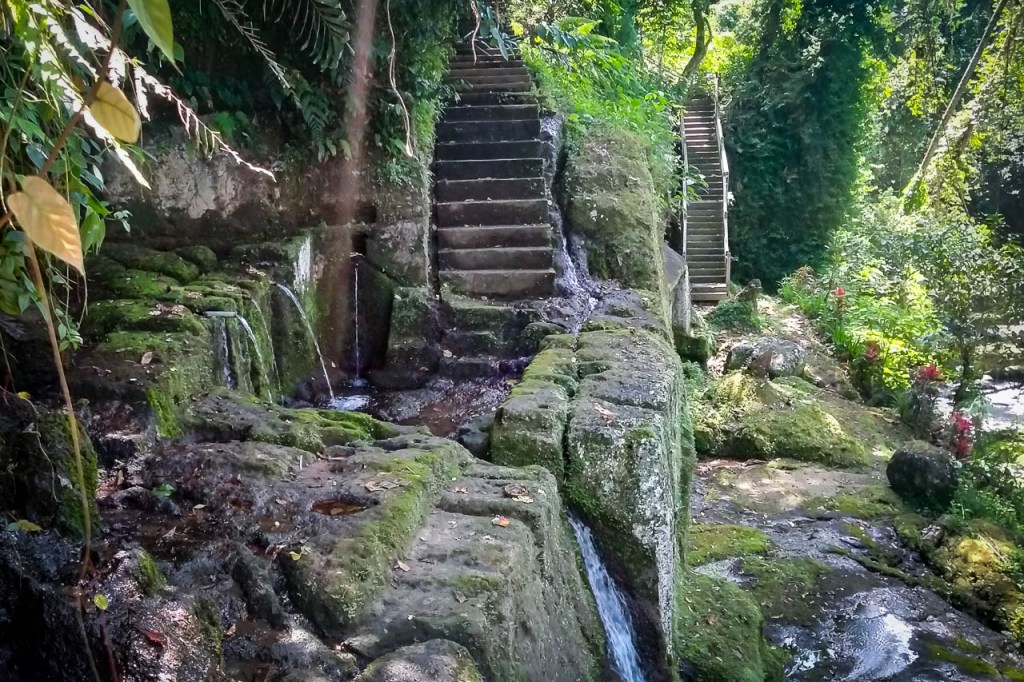
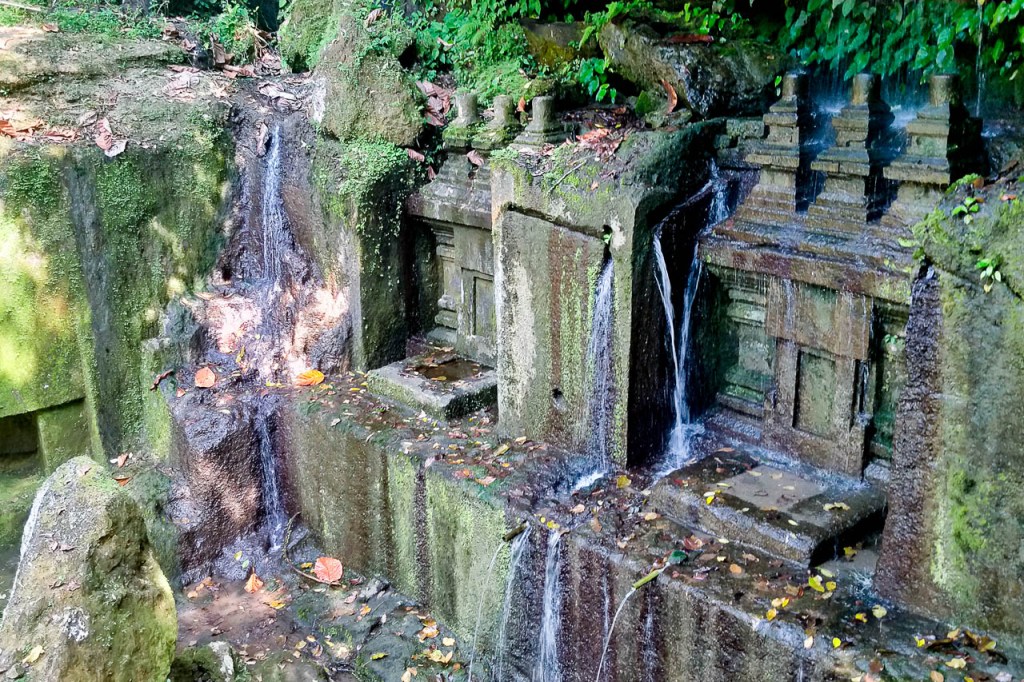
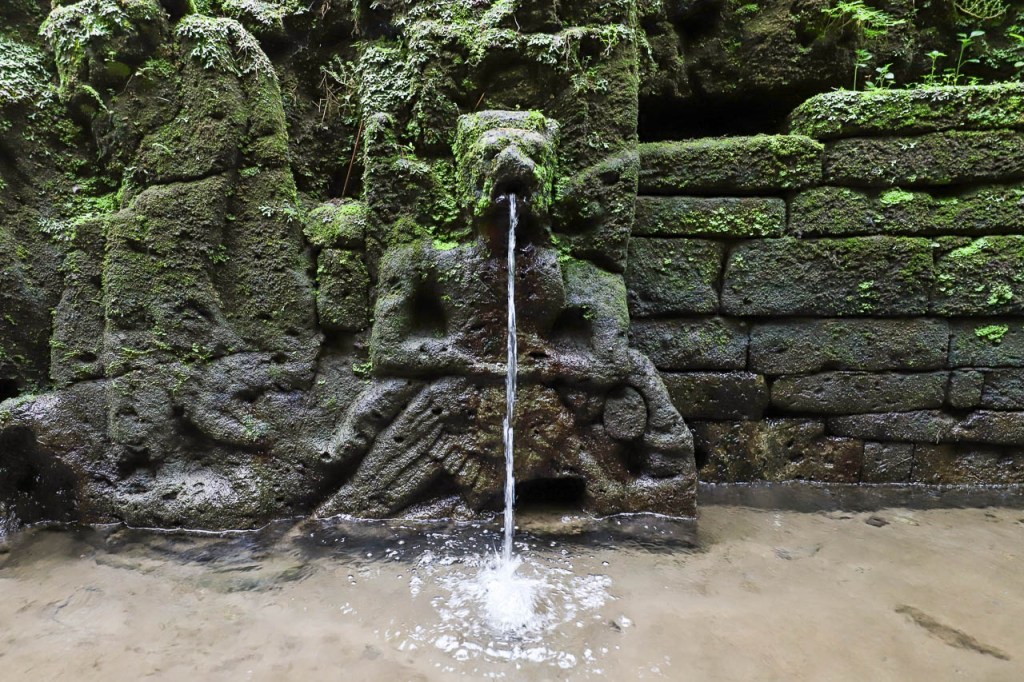
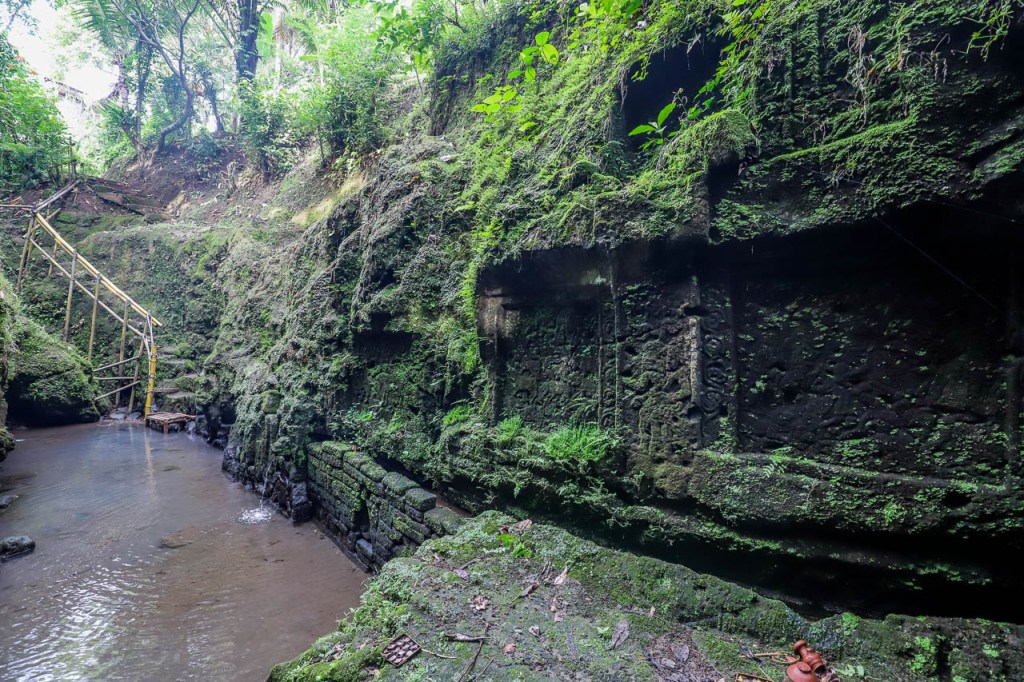
Part of the Bebitra hermitage, it’s a place where pilgrims once meditated in quiet niches, seeking enlightenment. A natural spring nearby feeds a holy bathing pool, where water is believed to cleanse both body and soul. Unlike its famous neighbors, Bebitra Relief is a peaceful retreat, far from the crowds, where the past feels alive in every mossy stone. More…
Jukut Paku
— A Rock-Cut Miniature Temple Beside Flowing Waters —
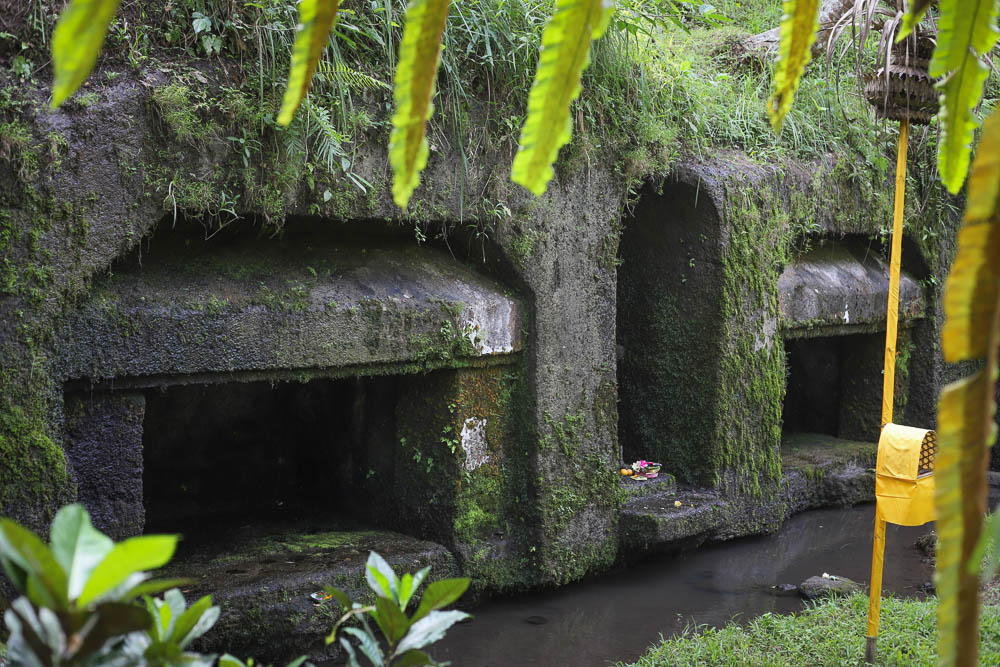
A place where meditation meets the magic of water, reminiscent of Pura Gunung Kawi in Tampaksiring, this smaller site is one of Ubud’s lesser-known treasures. Nestled between a natural spring and the Wos River, Jukut Paku has stood here since the 11ᵗʰ century. More…

Continue to the Bali Aga/Bali Mula Villages
Photos, maps and text © 2025 Alida Szabo.
