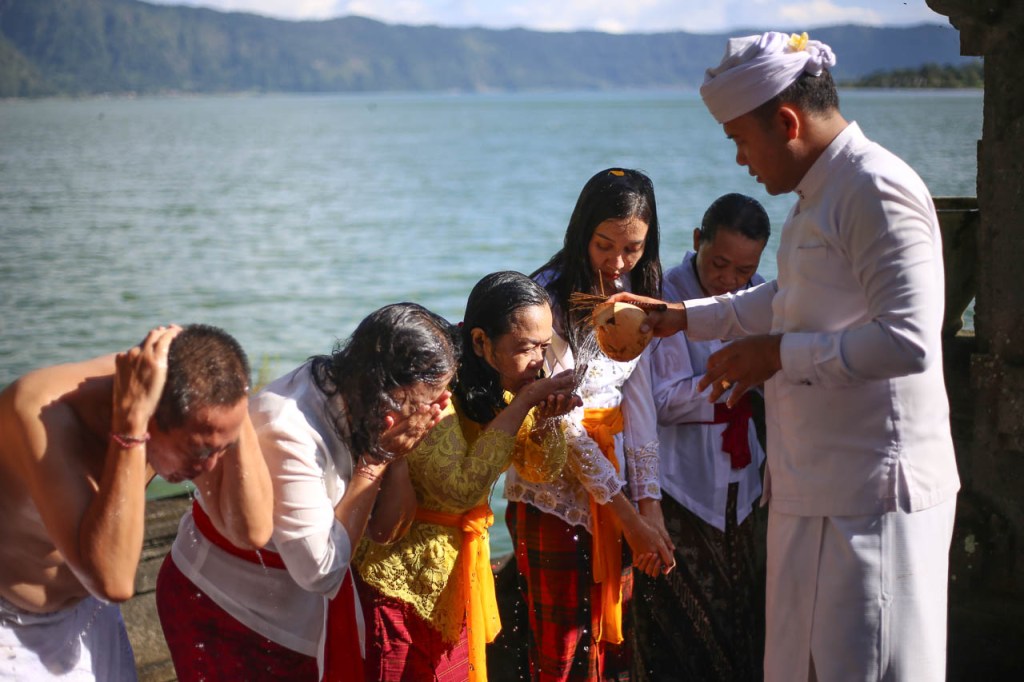
Holy water is an agent of the power of a god. It can cleanse spiritual impurities and make the recipient immune to negative influences. Holy water accompanies every act of Hindu-Balinese worship, from individual devotion at a house shrine to islandwide ceremonies. All holy water (toya or tirtha) is sacred, but some kinds are more powerful, or more appropriate in a given situation, than others. The more sacred the place from which it is obtained, the greater the sanctity of the holy water.
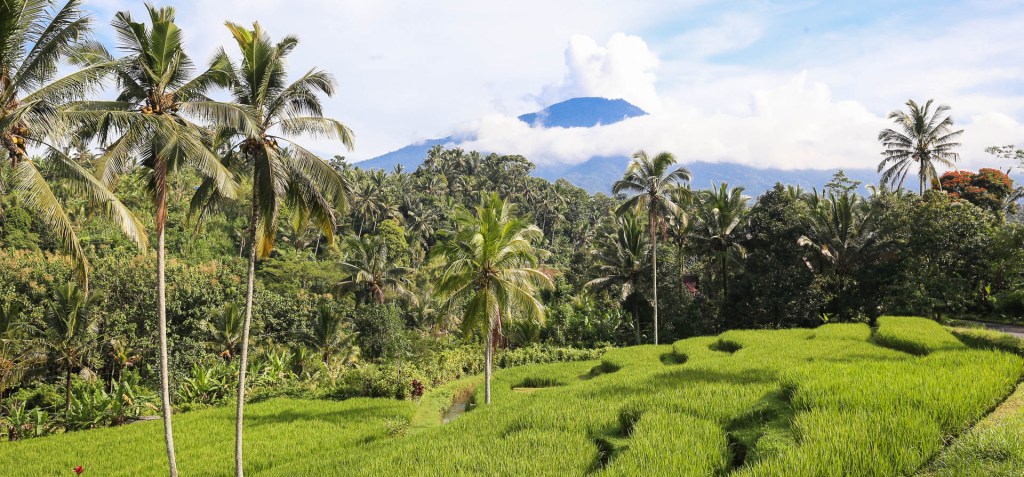
Behind Bali’s green rice terraces lies a vast network of natural and man-made water channels and social institutions known as the subak system — and at its core are temples. The island has around 1,200 subak cooperatives, each integrated into a hierarchy of water temples. The most important of these are found in the mountains, near the island’s main water sources — the crater lakes — while others stand beside reliable springs or freshwater outlets. What unites them all is the harmony between Bali’s lush landscapes and a long tradition of temple-centered religious life.
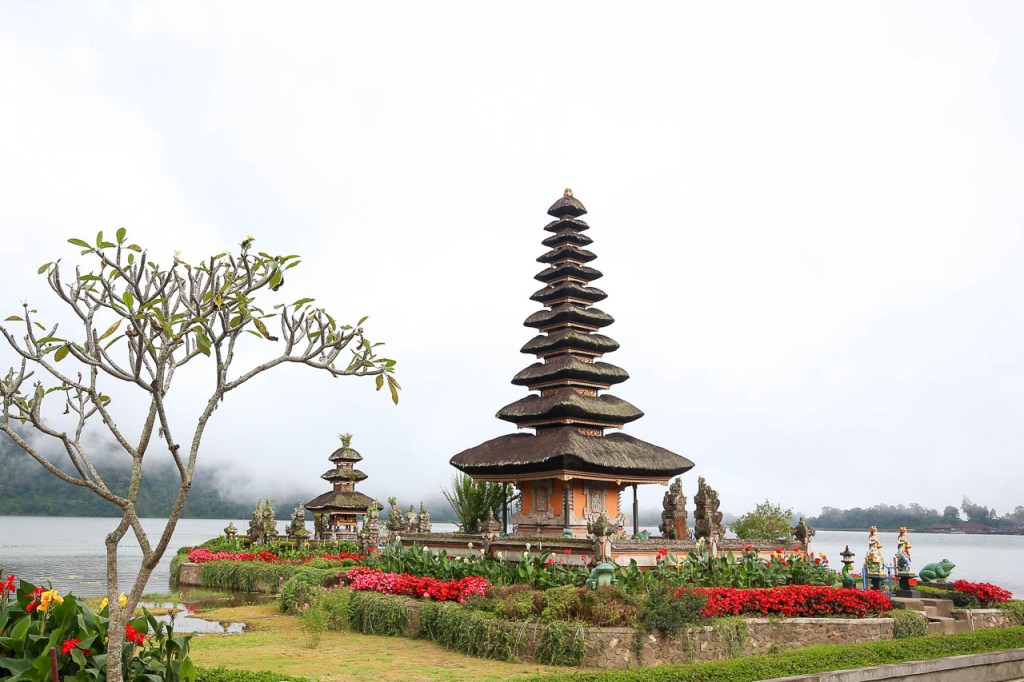
Pura Ulun Danu Bratan
— The Oldest and Highest Temple Of Bali —
Built in 1633, this temple is a love letter to water—to Dewi Danu, the goddess of all lakes and the sea who makes sure your rice fields don’t dry up. It’s at 1,200 meters above sea level, where mist rolls in, and the air is cooler, cleaner, almost magical. Think reflection on reflection: the temple mirrored in the lake, your life mirrored in the stillness. Over four centuries of prayers, ceremonies, and the quiet promise of enough – enough water, enough food, enough breath. More…

Pura Luhur Pucak Petali
— Above the Jatuliwih Rice Terraces —
Built around 1272 AD by Bhagawan Rsi Canggu and Arya Wangbang, this temple isn’t just a structure—it’s a beacon of ancient wisdom. Legends speak of its mystical origins, where construction followed sacred instructions, ensuring the temple’s height never surpassed a mysterious tree on the site. Covering about 10 hectares, the complex features shrines like Gedong Tamblingan and Meru Tumpang Lima, each echoing tales of devotion. More…
Pura Luhur Batukaru
— 11th century Mountain Temple in Tabanan —
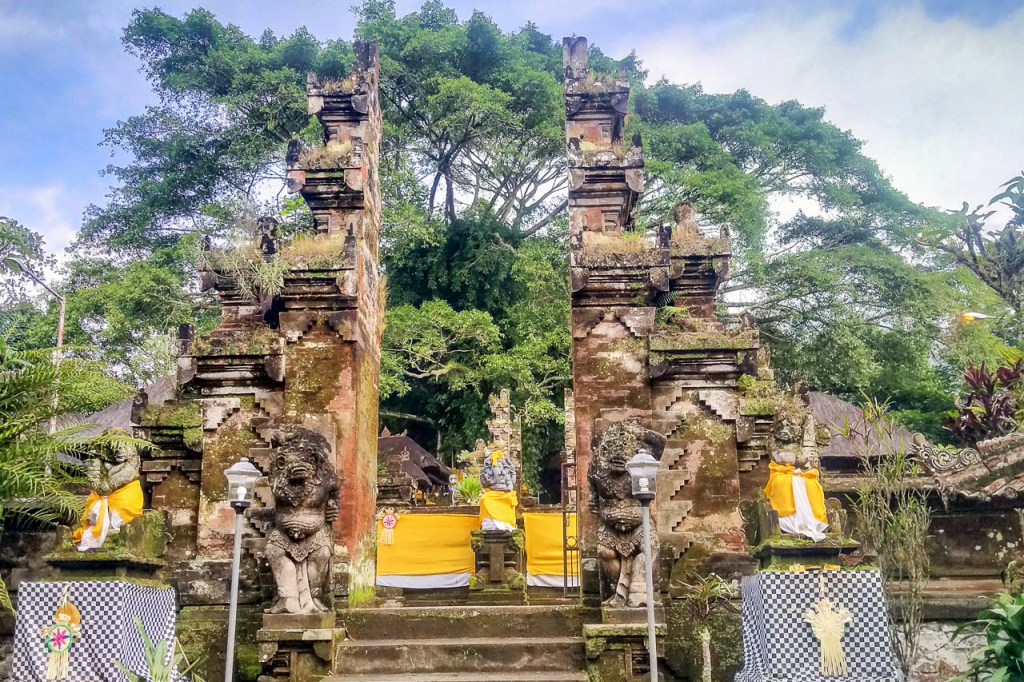
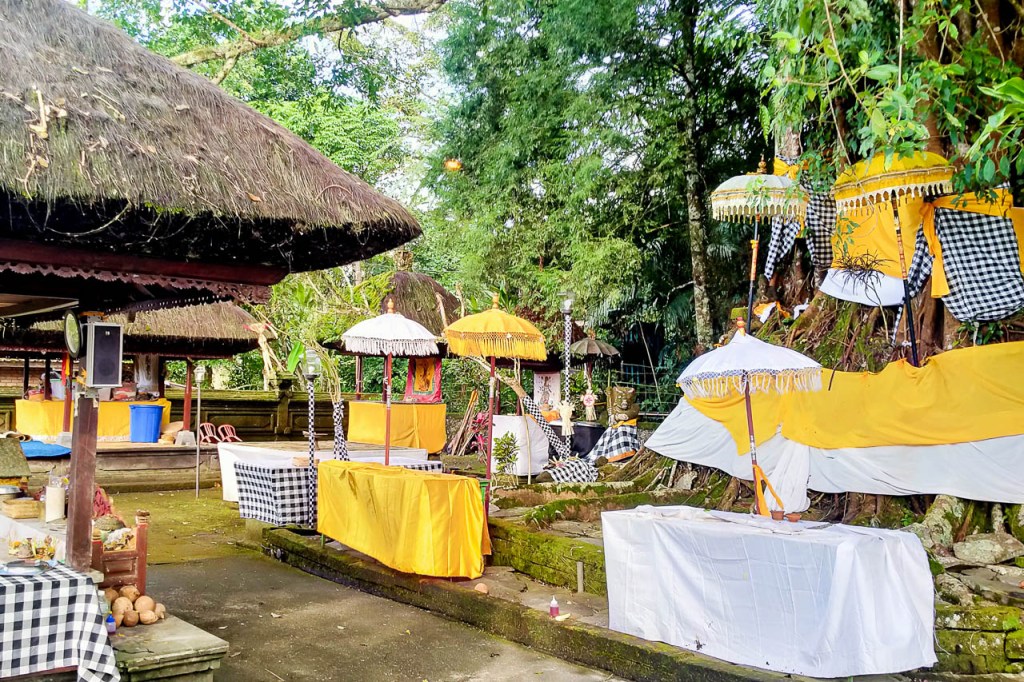
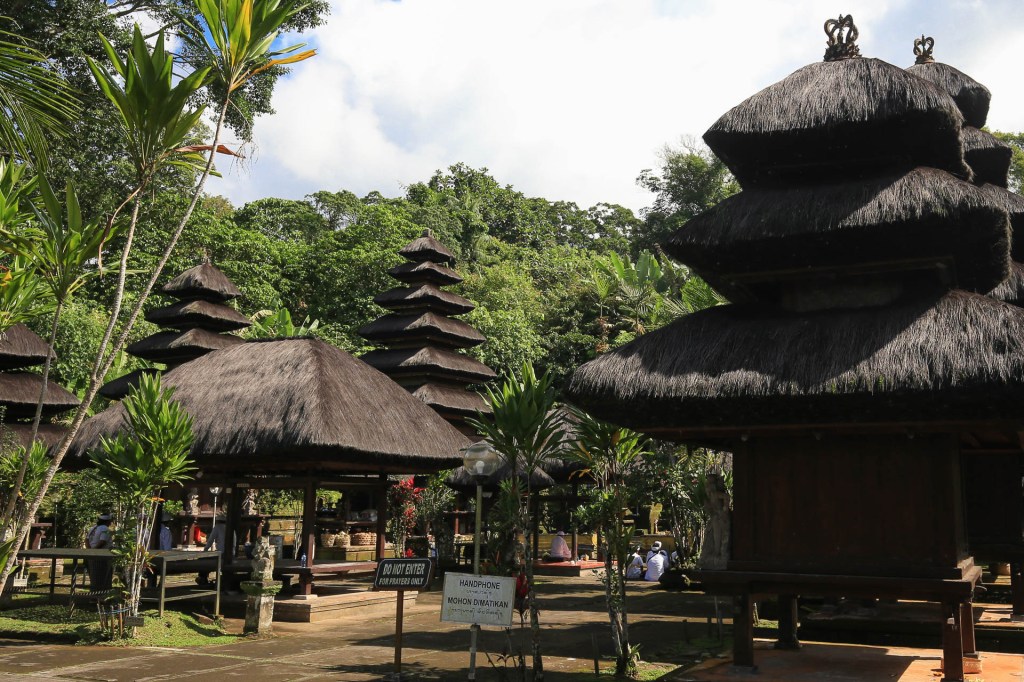
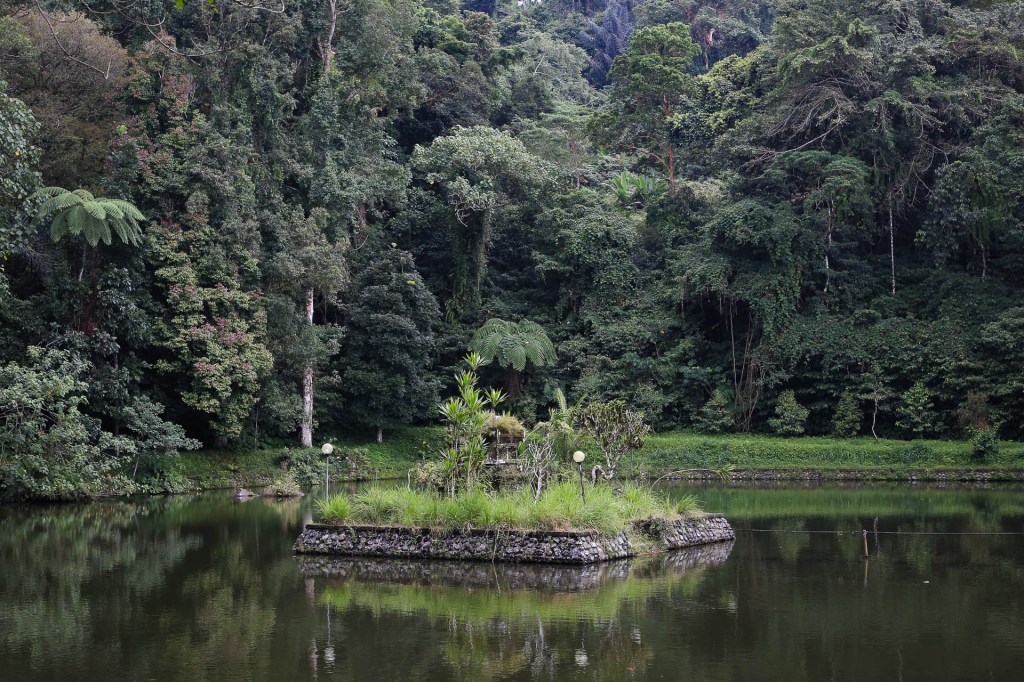
On the slopes of Bali’s second-highest volcano, Mount Batukaru, this mountain temple it’s one of the island’s six holiest sanctuaries and one of the nine directional temples, guarding the west. Legends say it was founded by the revered sage Mpu Kuturan, who built it after a divine vision. It’s a place where history, myth, and nature meet, wrapped in mist and rainforest. More…
Pura Yeh Gangga
— River Temple with caves and water springs —
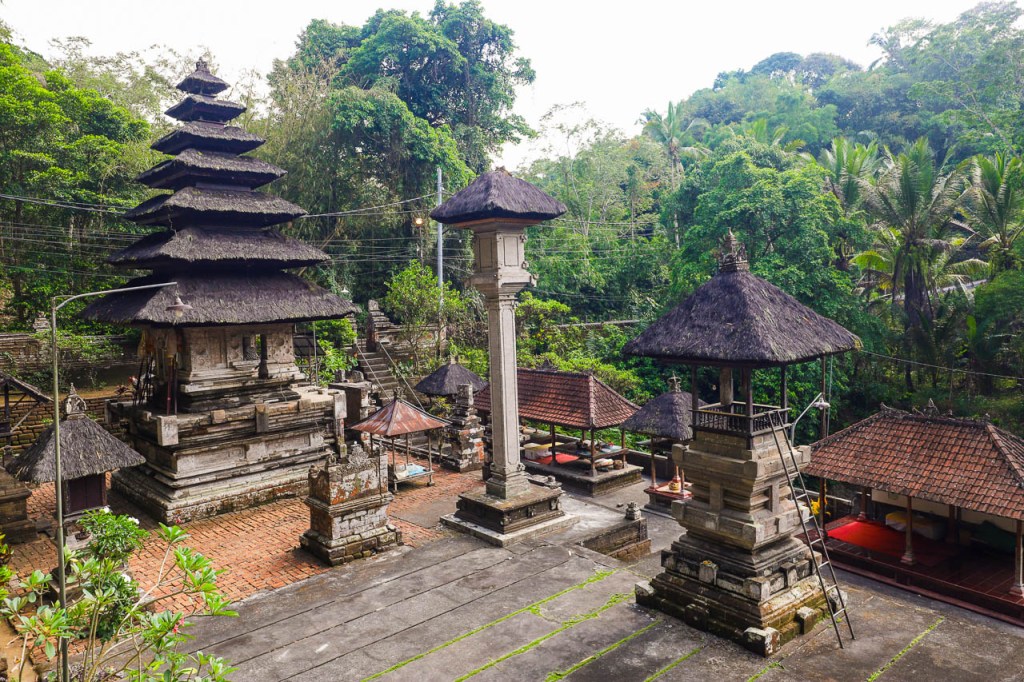
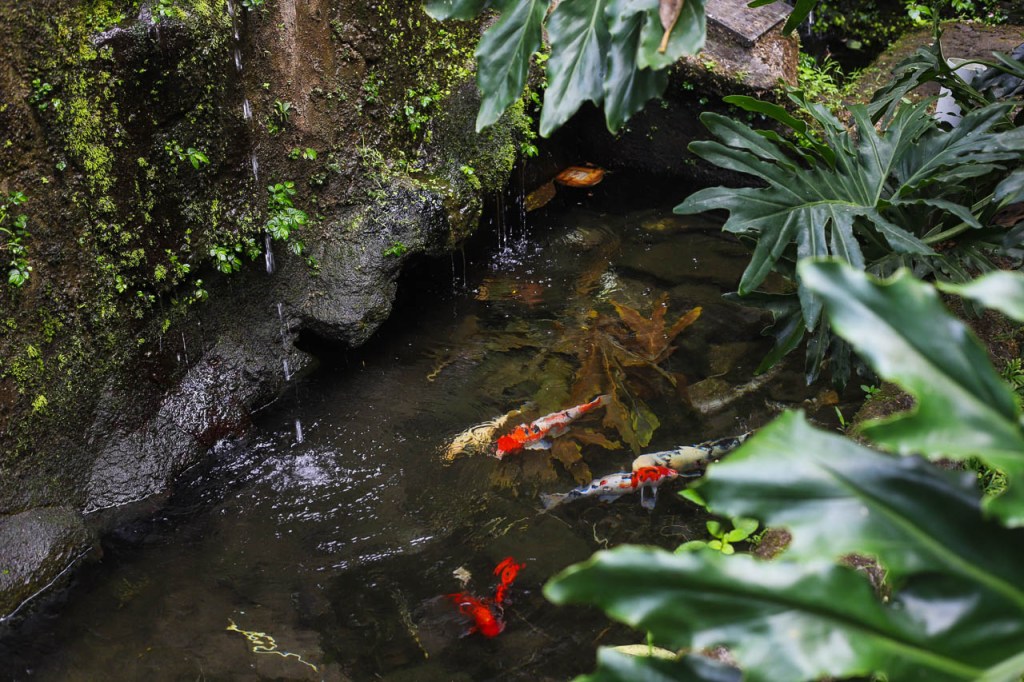
Nestled in the valley of the Yeh Gangga River in Perean, Tabanan, Pura Yeh Gangga has been quietly holding space for healing, harvest, and hope since the 14th century. Known for its rare stone meru and the blending of Shiva-Buddha traditions, it’s a place where spiritual depth meets everyday life. Its architecture bridges eras, marking the shift from stone structures to the layered elegance of thatched roofs, echoing Majapahit influence. More…
Pura Taman Ayun
— A Royal Temple in a Lake —
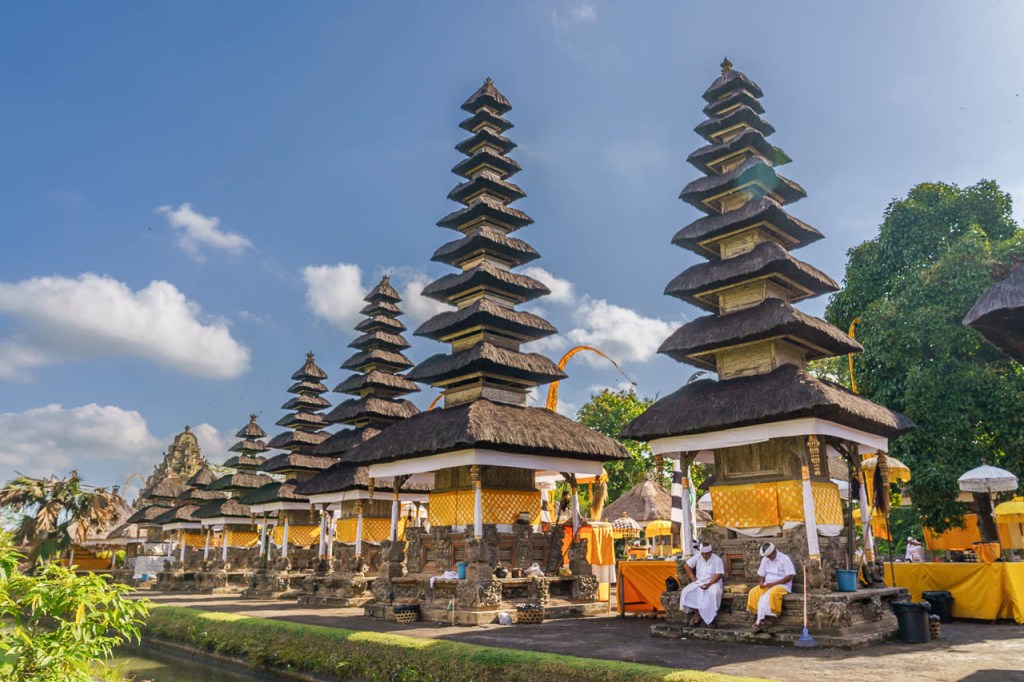
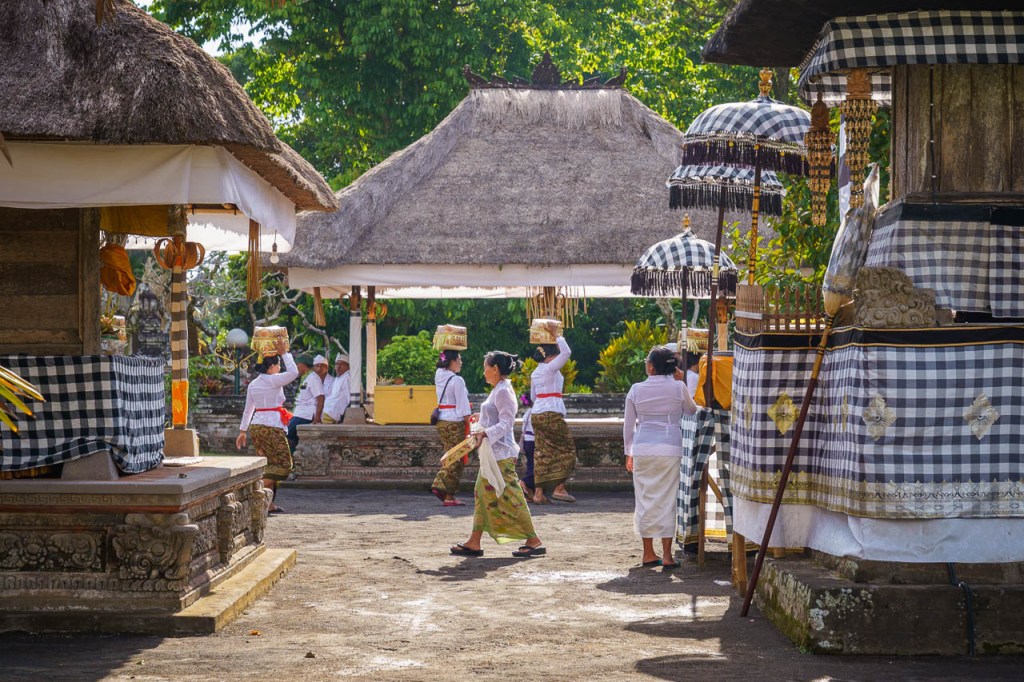
Pura Taman Ayun was built in 1634 in Mengwi, Tabanan, Bali. it’s a place where water flows, gods are honored, and people pause to breathe in harmony. It’s a UNESCO World Heritage Site: 10 hectares of carefully designed gardens, lotus ponds, and shrines – yes, a temple wrapped in a park, surrounded by a lake – invite you to slow down and reconnect. More…
Pura Ulun Danu Batur
— A Mountain Temple and a Water Temple In One —
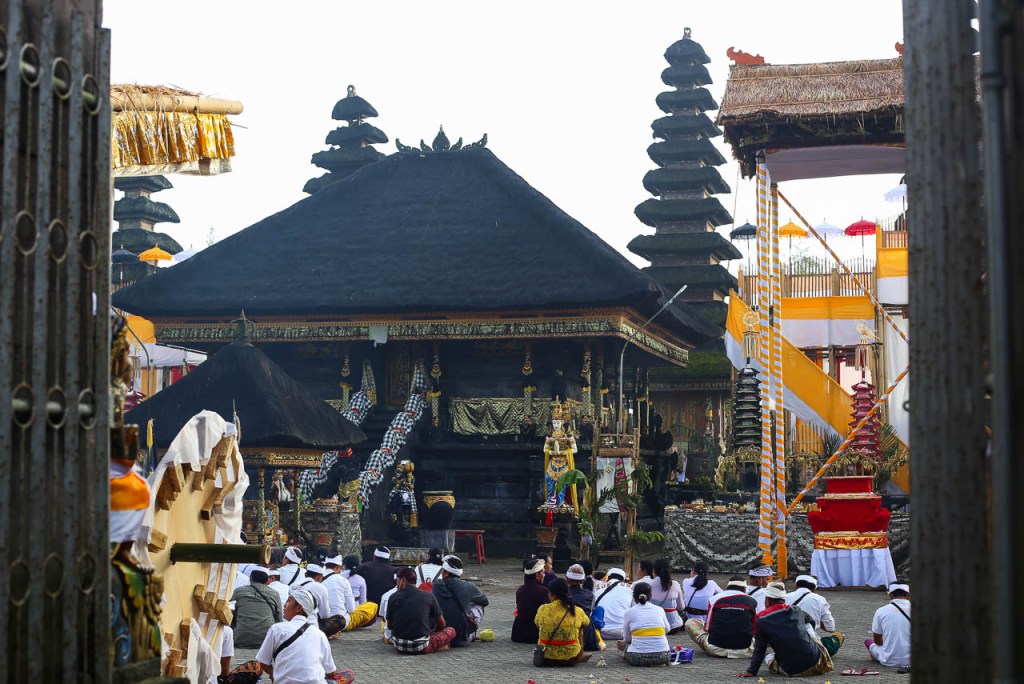
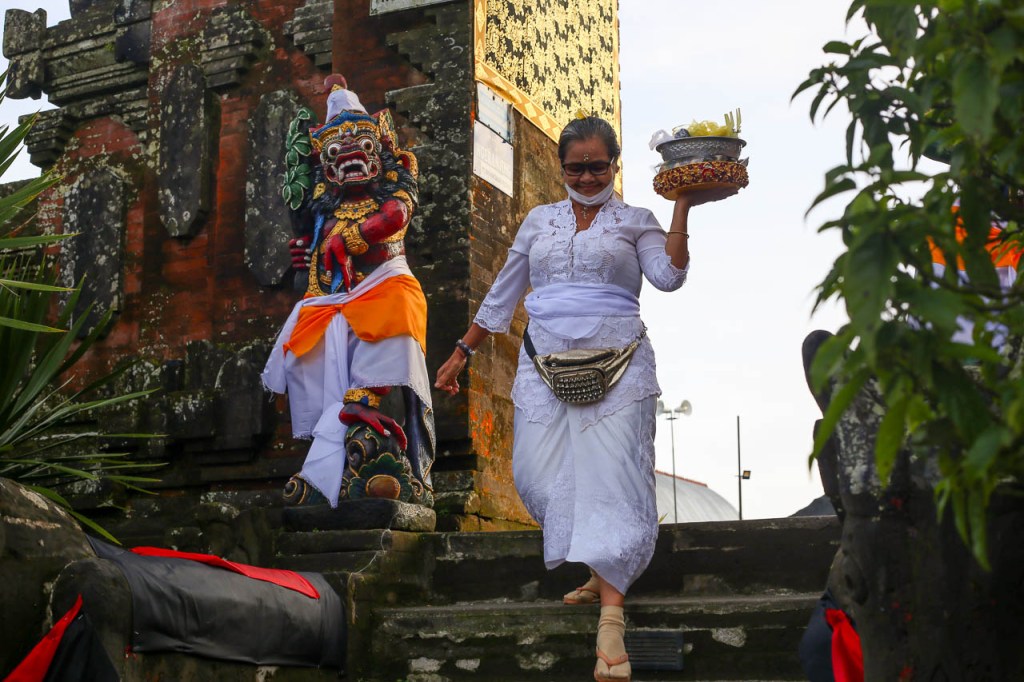
Sitting on the edge of Mount Batur’s caldera, this sacred site is where Bali’s spiritual heart beats in sync with its volcanic landscape. After two eruptions nearly wiped it out, the temple was rebuilt, rising from the ashes with even more purpose. Dedicated to Vishnu and Dewi Danu, the goddess of Lake Batur, it’s the place where water, faith, and resilience come together. Today, it is recognized by UNESCO as and cherished by everyone who comes seeking blessings from the island’s most vital waters. More…
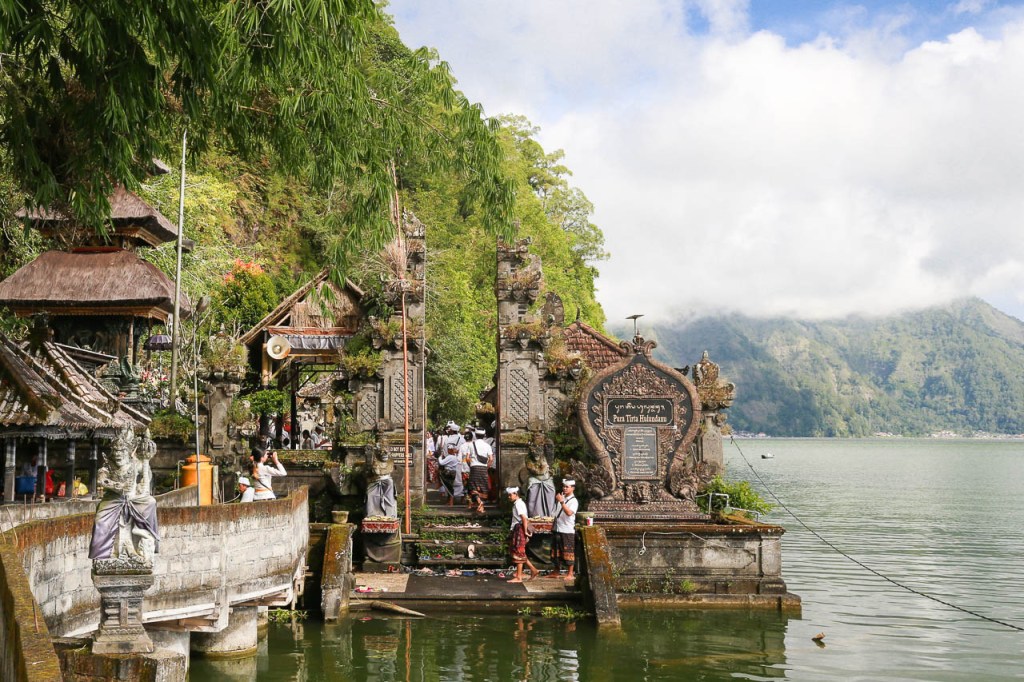
Pura Tirta Hulundanu
— Lakeshore Temple at the other end of the Batur Crater —
The small, but beautiful Pura Tirta Hulundanu is devoted to Dewi Danu, and forms a cosmic watergate on Lake Batur’s eastern shore, but more of local significance. The landscape at this crater lake is as beautiful as it gets. Here you can read more…
Pura Segara Ulun Danu Batur
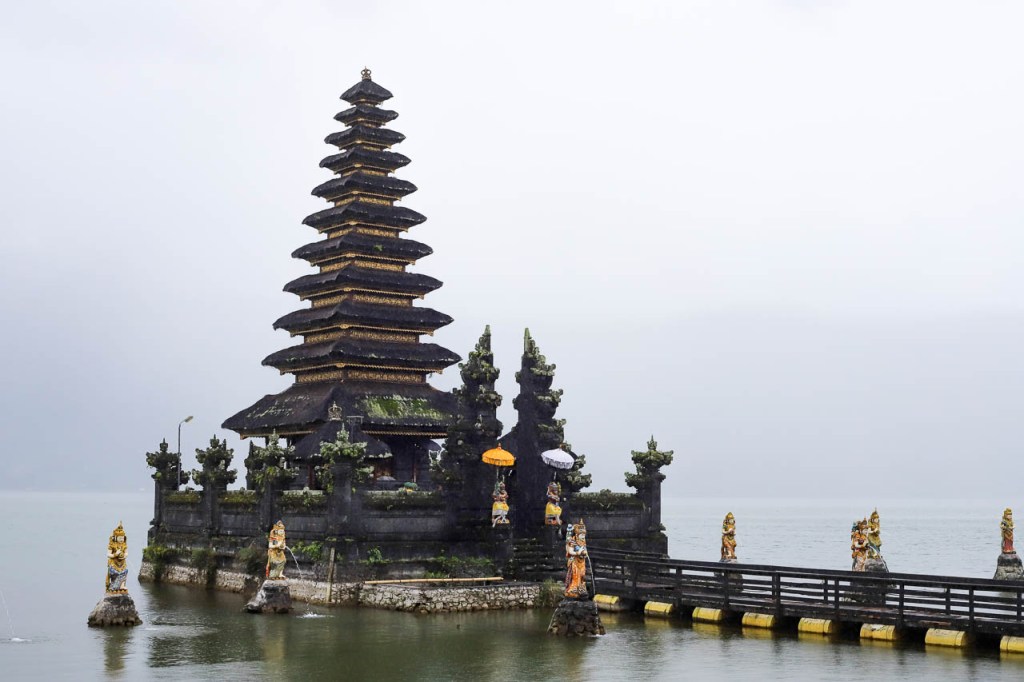
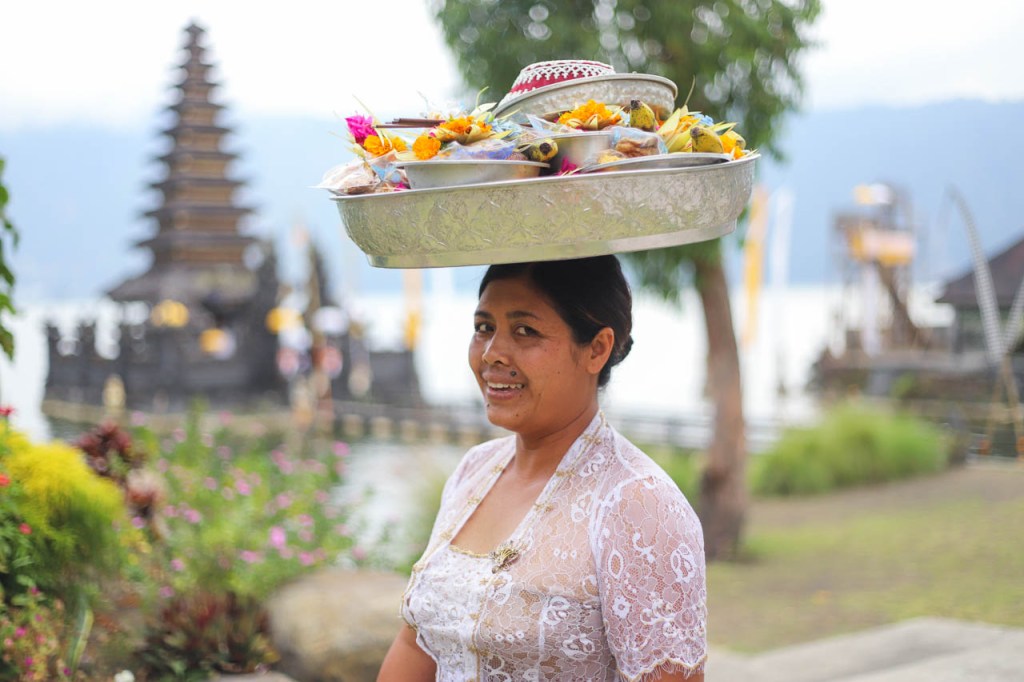
— Lakeshore Temples in the Batur Crater —
This temple is a floating marvel, anchored on volcanic stones right next to lakeshore Pura Jati. It’s a place where Balinese hydro-engineering, myth, and devotion all come together—proof that here, the sacred and the practical really do float side by side. More…
Pura Tirta Empul
— The Mother Temple of Bali on Mount Agung —
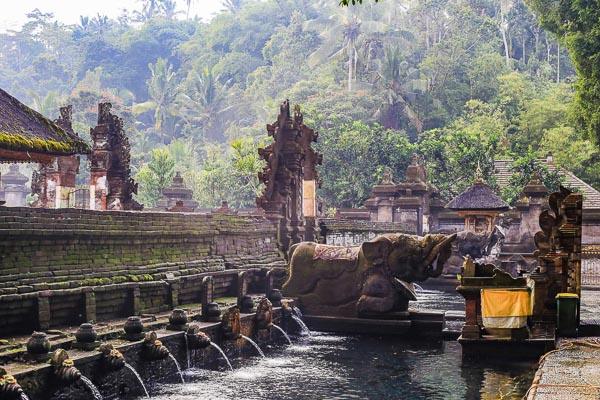
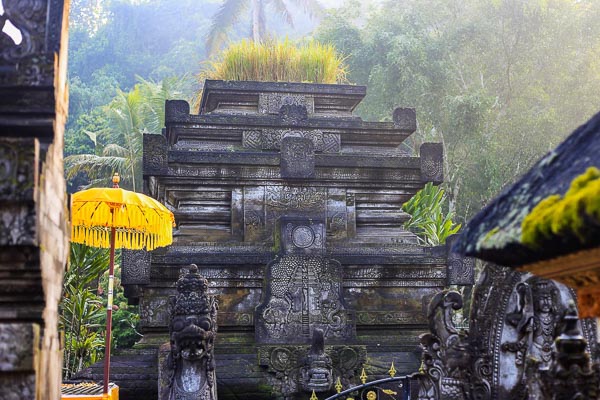
Pura Tirta Empul is one of the most visited temples in Bali as it is one of the island’s most significant water temples. The temple is jointly managed by six traditional villages. The temple is dedicated to Vishnu, but the god Indra is also worshipped here. More…
Pura Mengening
— The Lush Valley of Dynamic Waters —
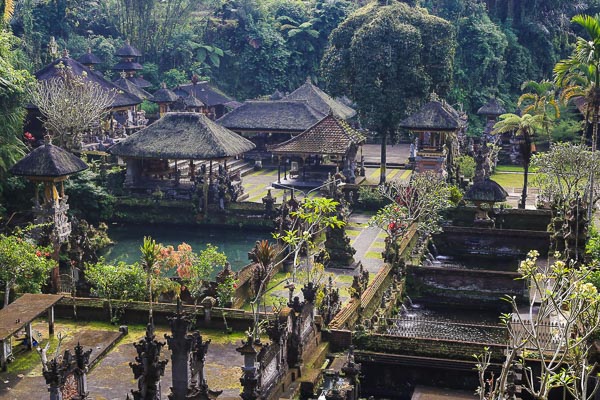
Silence, purity, and clarity – that is the meaning of the name of this valley-temple with pools, springs and bathing places. Balinese Hindus believe the holy spring water here is a gift from the god Indra, flowing from underground sources, having healing and cleansing properties. More…
Pura Gunung Kawi Sebatu
— Where Water Breathes Beauty—
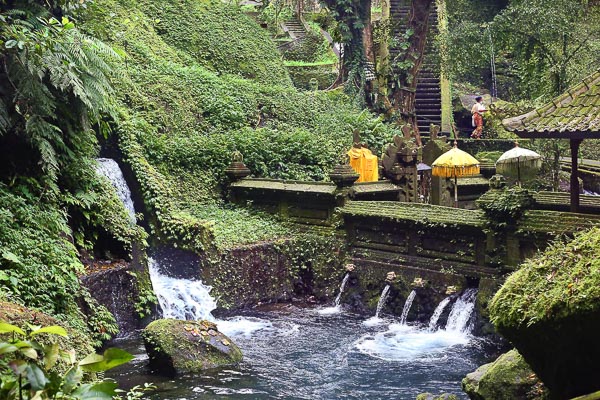
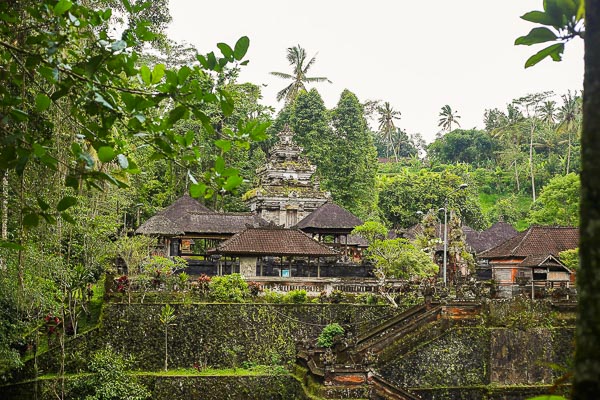
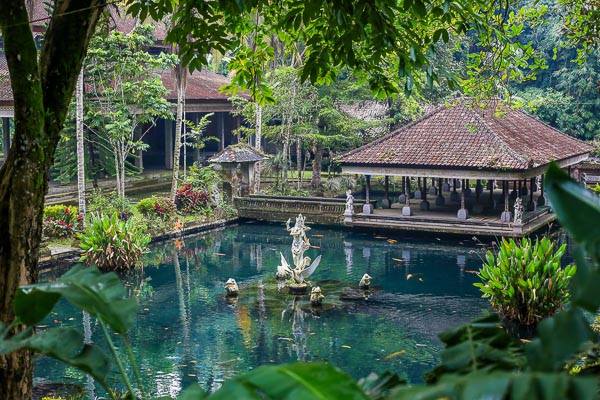
Think tranquil springs, lush greenery, and pools so clear they look like liquid glass. This temple is dedicated to Lord Vishnu, the great maintainer in the Hindu Trimurti, who often appears in various incarnations to offer salvation to humanity. More…
Continue to the oldest Mountain Temples of Bali
Or head back to the Main Temples of Bali
Photos, maps and text © 2025 Alida Szabo
